Meta’s Expansion of Anti-Fraud Facial Recognition Tool in UK, a Security Measure or Privacy Risk?

Meta has, once again, stepped into the lost realm of facial recognition, which hasn’t been free of controversies in the past. After years of being disenchanted by not-so-pleasant regulations, resulting in billion-dollar settlements, the tech giant is taking the AI-powered route to add facial recognition to its suite of tools all over again. This time, in reducing online scams and account takeover, is it really about user protection, or is this a strategic move to channel facial recognition back into public view under a different, more attractive guise? With Meta taking the anti-fraud tool into the UK, the subject of privacy, security, and corporate responsibility again throws the spotlight on users. 

Meta launched two new AI-powered features in October to facilitate either the impersonation of a celebrity or the recovery of hacked Facebook and Instagram accounts. An initial trial of the features only included global markets, but now, the tech company has expanded the experimentation into the UK after regulators embraced them. After being engaged with the regulators for a while, the approval to start the process was received. Meta is also extending a feature called “celeb bait,” which is meant to prevent scammers from using the real names of public figures to an even larger audience in countries where it was previously available. I guess it’s all fun and games until Meta’s facial recognition mistakes you for a celebrity and starts flagging your selfies.

Regulatory Hurdles and EU’s Future:

Meta’s choice to extend these technologies to the United Kingdom comes at a time when current legislation is evolving into a more welcoming environment for AI-oriented innovations. The company has not yet decided to unveil the facial recognition feature in the EU, another key jurisdiction with rigid fixation on data protection. With this strict approach, the EU has taken on the utilization of biometric data under the General Data Protection Regulation (GDPR), it would mean that it will be getting another layer of scrutiny ahead of any further expansion of the test.

Meta said, “In the coming weeks, public figures in the UK will start seeing in-app notifications letting them know they can now opt-in to receive the celeb-bait protection with facial recognition technology. This and the new video selfie verification that all users can use will be optional tools. Participation in this feature, as well as the new ‘video selfie verification’ alternative, will be entirely optional as well.

Meta’s AI Strategy and History with Facial Recognition:

Meta maintains that the use of these facial recognition tools is strictly to combat fraud and secure user accounts, yet it has a long and mostly disreputable history of using user data in its AI models. Meta says their new facial recognition tool is for security because obviously, that’s the first thing we think of when we hear ‘Meta’ and ‘privacy’ in the same sentence. Their previous reputation says a lot about them, which has caused trust issues, as they promise to delete facial data immediately after use, just like they promised to protect user privacy before, right? First, they took our data, now they want our faces. What’s next? A Meta DNA test?

In October 2024, when these tools were launched, the company assured users that any facial data used for fraud detection would be deleted immediately after a one-time comparison, with no possibility for its use in other AI training. Monika Bickert, Meta’s VP of Content Policy, wrote in a post,

“We immediately delete any facial data generated from ads for this one-time comparison regardless of whether our system finds a match, and we don’t use it for any other purpose”.

Its deployment comes as Meta aggressively implements AI in all of its operations. The company is building its large language models, is heavily invested in improving products through AI, and allegedly has been working on a standalone AI app. In parallel with that, Meta has also increased its promotion of AI regulation and embraced the image of being responsible.

Addressing Criticism of the Past:

Given its excellent track record, Meta would likely introduce facial recognition as a security measure, that is, as a step toward improving the company’s image. For years, the company has been criticized for making it easy for frauds to advertise fraudulent schemes on its advertising platform, with many of them misappropriating images of celebrities to promote doubtful crypto investments and other scams. Framing these new tools as solutions to such problems may soften public perception of the use of facial recognition technology.

Facial recognition is a very sensitive area for the company. Last year, Meta agreed to pay an enormous $1.4 billion to settle a lawsuit in Texas relating to unlawful biometric data collection allegations. Before this development, Facebook had shut down its decade-old photo-tagging facial recognition system in 2021 under strong legal and regulatory pressure. While Meta has discontinued that tool, it continues to hold on to the DeepFace model, which has somehow come back on its latest offerings.

Meta’s Facial Recognition, a Thin Line between Security and Surveillance:

Meta’s facial recognition highlights the thin line between technological innovation and invasion of privacy. While diminishing fraud and account security sounds good, a larger question of biometric data collection arises. With its not-so-glamorous past of biometric data handling and billion-dollar settlements to match, Meta paints an image of a tech giant that has always tested the limits and trust of its users. Deleting the facial profiles right after collecting them sounds good, but who are we kidding? There is little faith in that product coming from Meta, if history teaches us anything, Meta’s ambitions almost always go way beyond its upfront promises.

Facial recognition might serve a purpose in fraud detection, but indisputably, it can also serve for mass surveillance with potential abuse in the hands of the weak regulatory bodies. The balance between security and privacy is fragile, and since Meta treats its valid data collection methods as open invitations for more exploitation, history shows us that once the means are proven effective, there is rarely a strict application of the initial purpose. Historically, companies, once in possession of personal data, have had multiple ways of misusing that data or even expanding the use of such data beyond its original purpose.

With governments engaged in such areas and regulatory bodies being questioned, users must remain alert in demanding accountability and transparency before they will accept yet another layer of AI-based control. If accepted as the new norm, facial recognition tools for preventing fraud might just be the next step in Meta’s acceptance journey or would be another entry in their very long history of controversy relating to AI. With AI technology advancing in our lives, the time is now more important than ever for stronger safeguards and mandatory rules.  
UK Investigates TikTok, Reddit, and Imgur Over Children’s Data Privacy Concerns

Rising online platforms have increasingly become characters that create the web experience for millions, in turn growing concern among parents regarding the safety of children and data privacy. Nowadays, when social media algorithms decide what users shall see, this hazard of inappropriate content being exposed to today’s young audiences or personal information being misused has become very real. The British Information Commissioner’s Office (ICO) has come into play, undertaking a major investigation into TikTok, Reddit, and Imgur for alleged breaches of Children’s Data Protection Law. The decision of the inquiry may set a whole new pattern for the way tech companies interact with online privacy regarding children.

The investigation into TikTok and Reddit was announced by the UK Information Commissioner’s Office (ICO) for the alleged mishandling of children’s personal data and online safety, as the inquiry will examine whether these platforms operate within the boundaries of data protection laws and age assurance regulations aimed at protecting young users.

Algorithm Driven Content and Age Verification:

Social media platforms employ highly sophisticated algorithms to recommend content and keep users engaged but these machines, while doing that, often expose children to content that might be harmful or inappropriate. The ICO is specifically interested in how TikTok, a Chinese based app owned by parent company ByteDance, assembles and uses personal data of minors, 13 to 17 years of age, to recommend content on their feeds.

On the other hand, Reddit and Imgur are also being looked into for their age verification efforts to assess whether they effectively inspect and restrict child users. Given the fines in the past against the big social media platforms for failure to comply with UK data protection laws, compliance with these laws is critical.

Regulatory Actions:

The Information Commissioner’s Office said in a statement, “If we find there is sufficient evidence that any of these companies have broken the law, we will put this to them and obtain their representations before reaching a final conclusion”. They are very clear that these firms would have to face them if they were found to be in breach of the law before a final verdict. That same year, TikTok was penalized $16 million (£12.7 million) for the violation of data protection laws, which included such violations as using without account the personal data of children under the age of 13.

Reddit has assured all that they will cooperate with such a venture as it is legally binding with all their users’ adults, and then it will be put in place. The Reddit spokesperson said, “Most of our users are adults, but we have plans to roll out changes this year that address updates to UK regulations around age assurance”. However, there is little word from major players such as TikTok, ByteDance, and Imgur.

Strengthening Online Safety Regulations:

This makes Britain tough on social media, as they have mandated stricter age verification for online social media platforms for the protection of children against harmful content. Proposed regulations also require algorithmic changes for filtering or reducing exposure to harmful content for platforms like Facebook, Instagram, and TikTok.

The ICO investigation is yet another step towards the worldwide efforts to check the social media platforms in holding them accountable against the usage of these platforms by the young people. Just as companies are being scrutinized for their actions, the likes of TikTok, Reddit and Imgur find themselves under tremendous pressure to increase transparency, adopt stricter age verification, and modify the algorithm to reduce exposure to harmful content. It’s unclear yet what final consequences this investigation may bring, penalties, policy changes, or stricter enforcement but this issue holds significance and has to be addressed one way or the other.

Read More: TikTok (with Douyin) Becomes First Non-Gaming App to Surpass $6B Revenue


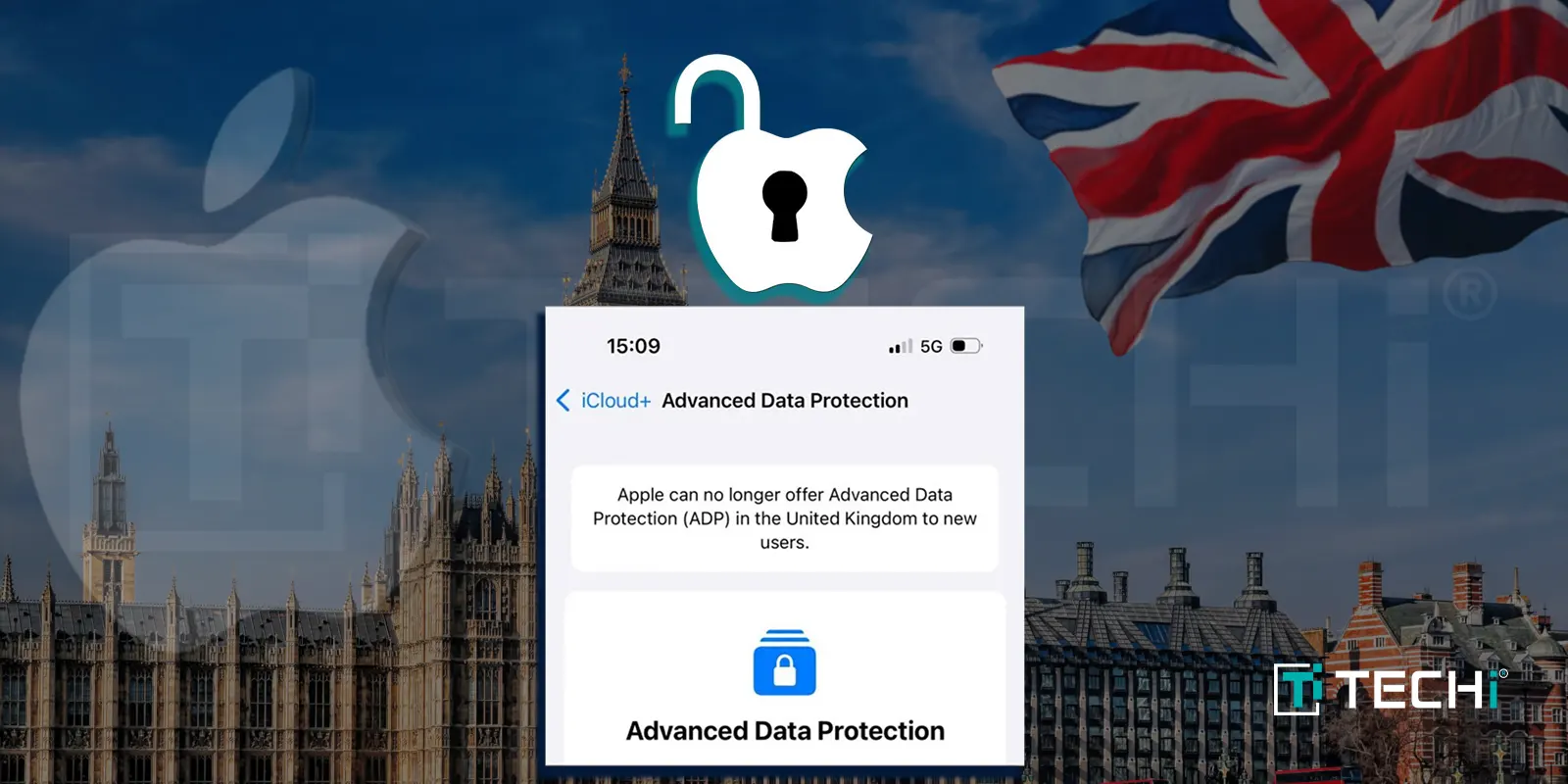
Apple Ends iCloud Encryption in UK After Government Demands

Apple has confirmed the removal of Advanced Data Protection (ADP) for iCloud backups in the UK following government demands for access to user data. This move means UK users will no longer have the option to secure their iCloud backups with end-to-end encryption, making it possible for authorities to request access to stored data under legal provisions.

Government Mandate Behind the Decision

The removal of ADP aligns with requirements set by the Investigatory Powers Act of 2016, which allows UK law enforcement to request access to encrypted data under a Technical Capability Notice (TCN). According to a report from The Washington Post, the UK government issued a Technical Capability Notice (TCN) to Apple under the Investigatory Powers Act of 2016. This notice compels companies to assist law enforcement in data collection by ensuring they can access encrypted information. Apple’s decision to remove ADP aligns with these legal requirements, as TCNs require firms to develop methods to provide data upon legal request.

While these notices do not provide unrestricted access, they compel companies to develop mechanisms for law enforcement to retrieve data when legally required. Apple has previously stated its commitment to user privacy and encryption but appears to have made this change to comply with UK regulations. A UK Home Office spokesperson declined to comment on whether a direct order was issued, stating, “We do not comment on operational matters, including confirming or denying the existence of such notices.”

Impact on iCloud Users in the UK

With the removal of ADP, UK users who rely on iCloud backups will no longer have the same level of encryption as users in other regions. This affects stored data, including messages, photos, and documents, which can now be accessed by Apple and shared with law enforcement upon legal request. Existing users who have already enabled ADP will not have it automatically disabled, but they will receive notifications prompting them to turn off the feature manually. Users who wish to maintain encryption must store their data locally on their devices without iCloud backup functionality.

Privacy and Security Concerns

Cybersecurity experts have raised concerns that this change weakens user privacy and data security. Many argue that once a government gains access to encrypted data, other nations may follow suit with similar demands. The move has also sparked fears of potential security risks, as reducing encryption may make user data more vulnerable to breaches and unauthorized access.

Industry Response and Future Implications

Digital rights organizations have criticized the decision, warning that it sets a precedent for further government intervention in encryption policies. Meredith Whittaker, president of Signal, has spoken against such measures, emphasizing that strong encryption is essential for security and digital privacy. Apple has maintained that while it is complying with UK law, it remains committed to encryption and will not create backdoors in its products. However, this move highlights the ongoing struggle between user privacy and government surveillance, with potential implications for tech companies operating in regions with strict data laws.

Read More: OpenAI Blocks Accounts in China & North Korea Over Misuse

UK Minister Urges Western AI Leadership to Dominate AI Development

The world keeps fast-forwarding in the AI race, making it undeniably evident that whoever leads AI will lead the future. The real conflict lies when the algorithms are being subtly engineered to outthink humans, it is not just who produces the smartest machine that counts, rather it is who ensures that those digital minds fit into the world of democratic ideals. UK’s Technology Secretary, Peter Kyle argued that leadership in artificial intelligence must remain within the “western, liberal, democratic” nations, most especially against the backdrop of the increasing global race in the use of AI technologies. Speaking ahead of a global summit on artificial intelligence on Sunday in Paris, Kyle seemed to refer to the importance of democratic values in the future development of artificial intelligence, hinting to an extent against China and its rising presence in that area.

The Artificial Intelligence Action Summit, jointly organized by France’s President Emmanuel Macron and India’s Prime Minister Narendra Modi from February 10-11, will bring together political leaders, tech executives, and policymakers to discuss AI’s global roadmap for future development. The summit comes against the background of the recently established DeepSeek, a Chinese AI company that has sought to undermine Silicon Valley with its latest technological improvements.

Democratic Powers’ Role:

Kyle made it clear that the UK intends to position itself at the forefront of AI development, leveraging its scientific expertise and technological capabilities. He stressed that governments play a crucial role in ensuring that AI aligns with democratic values and does not become a tool for authoritarian regimes.

Kyle stated, “Government does have agency in how this technology is developed and deployed and consumed. We need to use that agency to reinforce our democratic principles, our liberal values and our democratic way of life. Adding that he was under no illusion, there were some [other] countries that seek to do the same for their ways of life and their outlooks”.

Without naming nor specifying any particular country, Kyle said, “he was not pinpointing one country, but it was important that democratic countries prevailed so we can defend, and keep people safe”. He explained that competing states are already shaping AI according to their respective political ideologies. Such remarks are indications that China has begun establishing its own foothold in AI as presumably challenging Western leadership in this area.

Impact of DeepSeek Emergence:

Some investors in the United States characterized DeepSeek’s recent breakthroughs as a “Sputnik moment,” referring to the trauma felt after the first artificial satellite was put in orbit by the Soviet Union in 1957. The AI model from the Chinese firm has been developed at a low cost and is mostly on par with or has improved on US rivals, raising security approaches by Western nations. Kyle confirmed that national safety repercussions of DeepSeek and its chatbot innovation would be scrutinized by British officials. However, he maintained that competition should be a motivation rather than something to cause fright. He said, “I am enthused and motivated by DeepSeek. I’m not fearful”.

 The AI Summit and UK’s AI Growth Zones:

Now, the Paris summit has been structured around facets of how AI will affect jobs, cultures, and global governance as opposed to merely safety concerns, which were the preoccupation of the UK’s first, inaugural AI summit held at Bletchley Park in 2023. Some of the prominent participants are; US Vice President, JD Vance, President of the European Commission, Ursula von der Leyen, Chancellor of Germany, Olaf Scholz, Google CEO, Sundar Pichai, CEO of OpenAI, Sam Altman and AI pioneer Nobel Prize winner, Demis Hassabis. China’s Vice Premier Zhang Guoqing will also be attending, making the summit geopolitically important.

Kyle has announced on the UK’s part that bids are opened for AI growth zones, part of the AI strategy of the UK, that will now host new data centers critical for AI training and operation. Its aim is to bring economic rejuvenation to what are considered historically left behind regions, especially those in Scotland, Wales, and northern England. Kyle stated, “We are putting extra effort in finding those parts of the country which, for too long, have been left behind when new innovations, new opportunities are available. We are determined that those parts of the country are first in the queue to benefit … to the maximum possible from this new wave of opportunity that’s striking our economy”.

Energy provision in AI growth zones would then be increased by government promise to ensure that the zones have access to more than 500MW of power, enough to power about two million homes. Potential first sites for these AI hubs include the Culham Science Centre in Oxfordshire, where the UK Atomic Energy Authority is based.

AI Development:

A draft early closing statement of the summit seen by the Guardian goes for making AI “sustainable for people and the planet.” The same statement emphasized that it should be open, inclusive, transparent, ethical, safe, secure, and trustworthy. It does say trust and safety in AI governance in spite of fears the summit will not be enough on safety issues. Although the AI race speeds up, the UK’s posture is indicative of a wider western push to retain its leadership in AI innovation while making sure the technology works for and with democratic values. Whether it can fulfill this vision with rising global competition still awaits to be seen.

Read More: China’s Chip Industry Gains Momentum