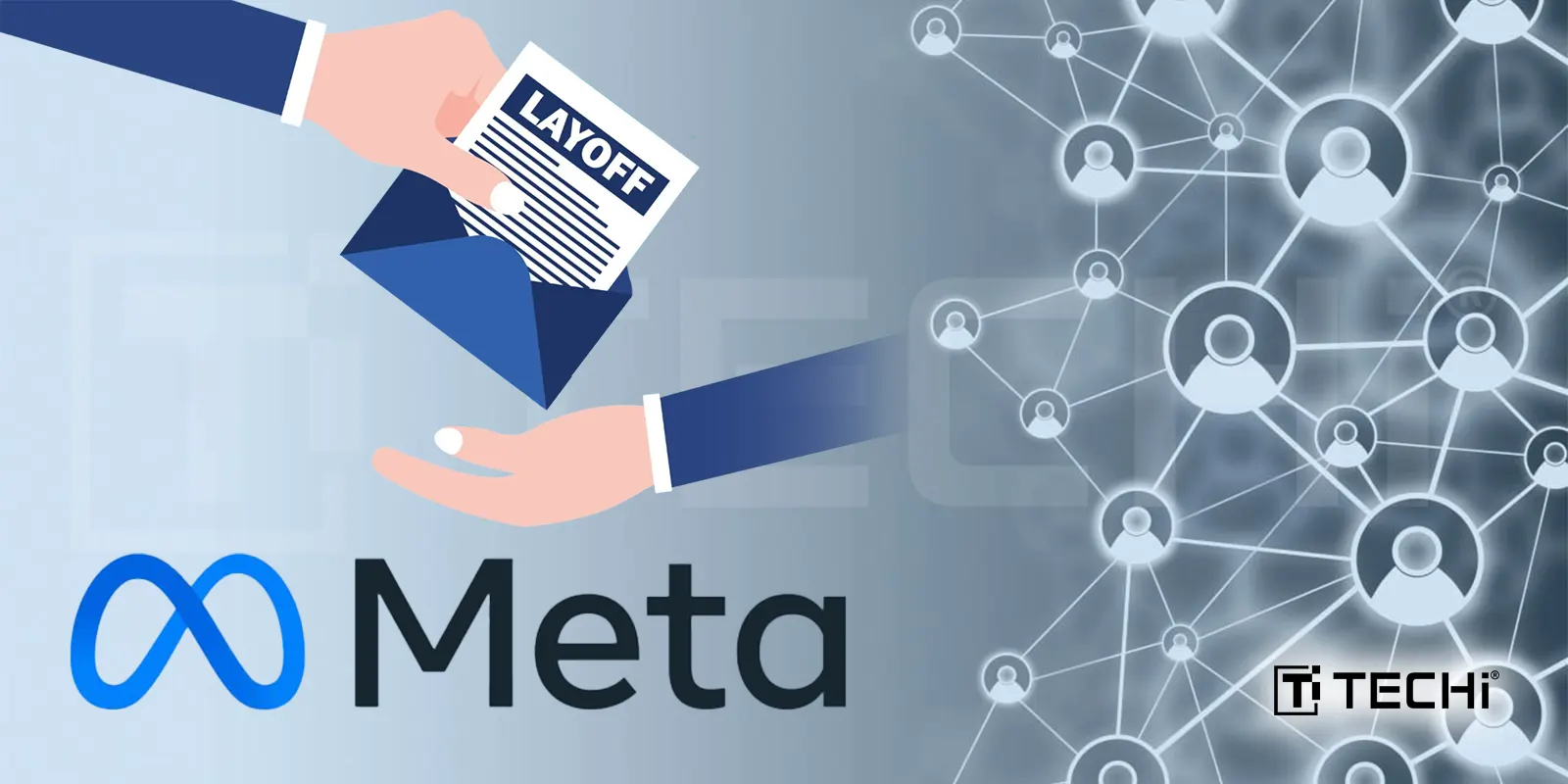
Meta’s Cost-Cutting: Fewer Stock Options, Bigger Executive Bonuses

For years, the promise of stock options, an employment perk in themselves, made tech employees hope against hope for the conversion of their salary into millions until late, when the market, or in this case, their own company, decided otherwise. Meta, scooping stock prices at record highs, has now cut its employees’ equity compensation by 10%. The irony? Stock options dropped for rank-and-file workers but instead got inflated bonus awards for executives. It’s like watching someone put down their cake and give you half their piece while helping themselves to an extra slice on the side.

The Financial Times allegedly states that tens of thousands of Meta Platforms employees could have a 10% downsizing of their annual stock options as the stock makes record highs this month. Each year Meta employees are offered equity refreshers, giving a major part of their total compensation, which also includes base salaries and bonuses. These stock options top every three months over four years. Most of them have been told they would get around 10% less equity for this year, while the exact percentages supposedly depend on location and organizational hierarchy.

Increased Bonuses and Workforce Adjustments:

With the simultaneously extending resource base, a larger bonus to executives is offered in cases where and when the equity share seems to be for the broad workforce. An executive bonus is being raised according to the company’s ninth filing, to now 200% of base salary, where it was at 75%, but these new bonuses are not going to be offered to Meta’s CEO, Mark Zuckerberg.

The latest proportion is, thus, following the media buzz that Meta will terminate almost 5% of its “lowest-performing” members and is set to refill the open positions at a later point in the year. Moreover, Zuckerberg noted that he might eliminate even more jobs emphasizing that elevating performance standards is the company’s foremost aim.

Meta’s Stock Market:

Meta’s stock has seen a run since January 17, as the U.S. Supreme Court banned TikTok and Donald Trump‘s long overdue ban on TikTok was crawling toward enforcement dates. Investor confidence resumed in January with Mark Zuckerberg announcing that Meta plans to cover up to $65 billion this year in gripping its artificial intelligence infrastructure.

Contrarily, though, Meta’s shares declined by 1.3% to $694.8 last Thursday. A quarter-four earnings report in late January showed it delivered above what Wall Street estimated, yet the company cautioned that the first quarter may affect sales figures and will possibly mislead observers regarding the financial outcomes of Meta’s highly focused AI investments.

Growth and Cost Management:

Despite the high record-breaking stock and generally good market positioning, Meta chose to lower a share of stock options for employees, also as part of cost management amid high investments toward AI with evolving strategies of workforce. A classic case of what technology giants do to cut costs for some while keeping their top people happy is Meta’s trimming of stock options and increased bonuses for some executives. It would remain to be seen how the latest measure affects employee morale and retention while still involved in AI major expansion and market dominance. One thing about the rapidly changing technology scenario is that it will be a cloudy future for the employees of Meta, just like their stock allocations.

Read More: Meta Launches Project Waterworth, World’s Longest Undersea Cable

Meta Launches Project Waterworth, World’s Longest Undersea Cable that Bridges Continents

Think of giving a message from one continent to another, not flying along the airwaves, but cable carrying that message beneath the ocean. Meta’s new venture, Project Waterworth, is all about bringing this vision into a reality, a huge undersea cable system that exceeds even the circumference of the Earth. This technological marvel is not just about faster memes or seamless video calls but is destined to change the face of global connectivity forever.

To change the paradigm of global connectivity, Meta plans to go for the construction of the world’s longest underwater cable named Project Waterworth. The 50,000 km (31,000 miles) subsea cable will connect the US, India, South Africa, and Brazil among other important regions to reinforce the digital infrastructure and allow for economic cooperation. Meta stated in a blog post, “Project Waterworth will bring industry-leading connectivity to the US, India, Brazil, South Africa, and other key regions. This project will enable greater economic cooperation, facilitate digital inclusion, and open opportunities for technological development in these regions”.

Connectivity Strengthening the Digital Infrastructure:

Waterworth will be the longest and technologically most advanced undersea cable deployment to date, far exceeding the circumference of the planet. Waterworth diverges from typical systems that utilize 8 to 16 fiber pairs and rather uses a groundbreaking system of 24 fiber pairs, which boosts data capacity and internet speed across connected regions. Meta claims this will support its own AI initiatives and the larger digital economy.

Meta said, “In India, where we’ve already seen significant growth and investment in digital infrastructure, Waterworth will help accelerate this progress and support the country’s ambitious plans for its digital economy. We’ve driven infrastructure innovation with various partners over the past decade, developing more than 20 subsea cables. This includes multiple deployments of industry-leading subsea cables of 24 fiber pairs – compared to the typical 8 to 16 fiber pairs of other new systems.

The project coincides with India’s digital transformation, adding the kick that the growing digital economy requires. Through advancing digital investments in the country, Meta has already contributed to rapidly enhancing connectivity in India. Waterworth is expected to bring new life to this development by enhancing broadband access and consequently innovation and supporting the country’s technology vision. In the same way, improved internet access is expected to spur economic growth and digital transformation in South Africa and Brazil.

Undersea Cables, a Liability:

More than 95% of the world’s global Internet traffic carries on submarine cables. This emphasizes the importance of submarine cables in global communication, as the UK alone is equipped with about 60 submerged cables that handle 99% of the data in the UK. Increasing numbers of dependence bring with them concerns over vulnerabilities of undersea cables to geopolitical conflicts and accidents, as well as cyber threats.

Recent incidents have proven all of these. In January, NATO launched a mission to enhance surveillance over undersea cables at the Celtic Seas after there were reports of damages to critical infrastructures. In a similar vein, the Trump administration sanctioned a Russian company in 2018 for allegedly granting underwater surveillance capabilities to Moscow. Tonga suffered a nationwide blackout of internet access after damage to an undersea cable in July, halting business and daily life.

Regardless of the risks, Meta emphasized the durability as well as safety of Project Waterworth. Meta said, “It would lay its cable system up to 7,000 metres deep and use enhanced burial techniques in high-risk fault areas, such as shallow waters near the coast, to avoid damage from ship anchors and other hazards.”

Challenges and Controversies:

As Meta’s underwater cable project promises to change global connectivity, the company is never free from accusations concerning its policy. In January, CEO Mark Zuckerberg announced plans and stated that “He was ending professional fact-checking on Facebook and Instagram and would dramatically reduce the amount of censorship”. This has drawn heavy criticism about misinformation and argued concerns about the application of digital platforms in the control of content.

Project Waterworth is not just an engineering project, but rather a vision about a world that is more interconnected than ever through an undersea cable. Powered by worldwide undersea cables, this mega initiative aims to redefine digital access, economic growth, and technology innovations in associated geographies. As its disruptive innovation nature, this one too is associated with social challenge risks, from security to geopolitical tension. As the world watches, Meta is committed to embarking on an undersea odyssey that promises to make waves, literally and figuratively.

Read More: Amazing Facts About Wikipedia