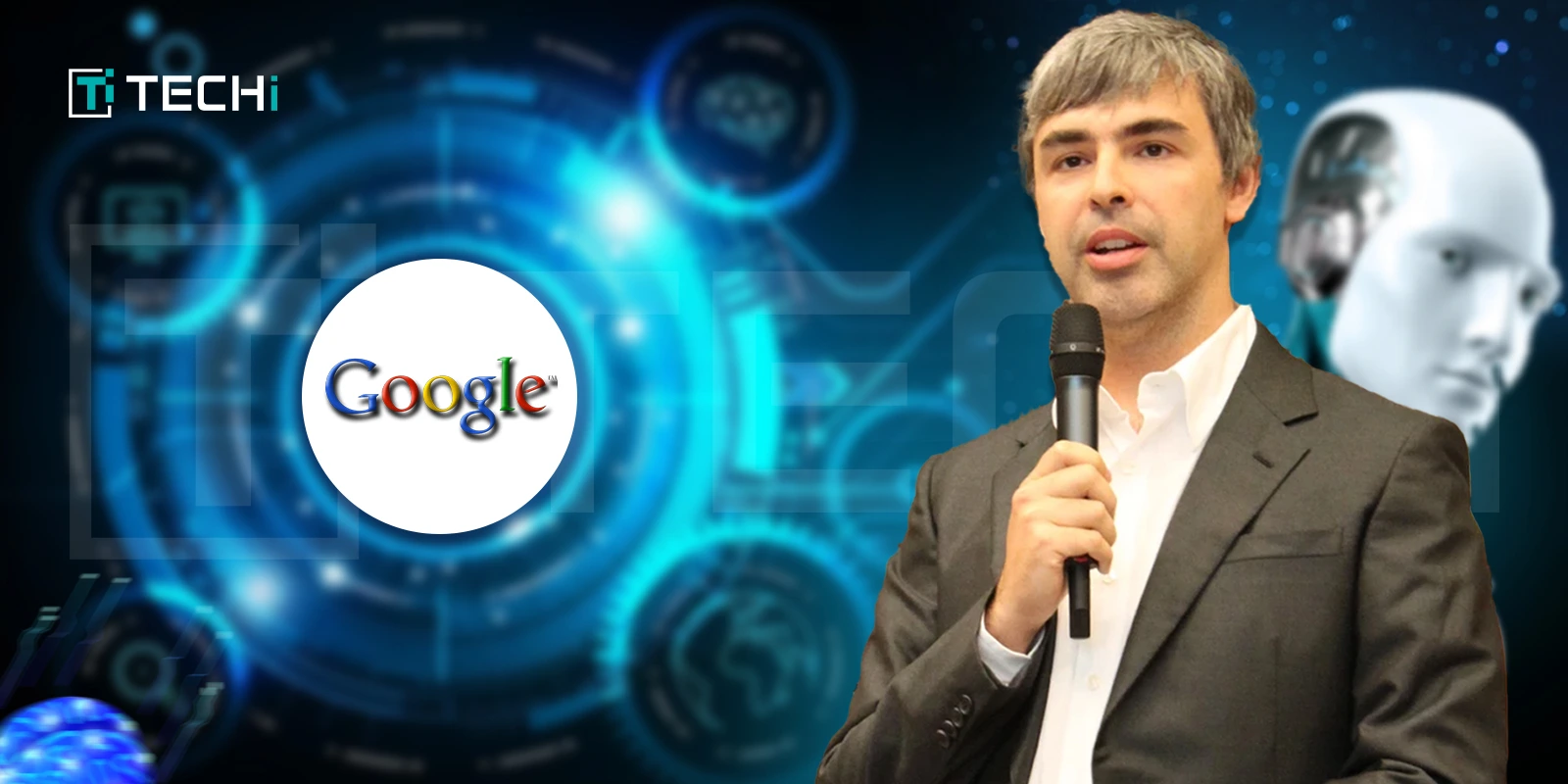
Google Co-Founder Larry Page’s New AI Startup Dynatomics Aims to Transform Manufacturing

The Co-Founder of Google has always done things out of the ordinary by betting big on the future, be it how Google would revolutionize search, funding self-flying taxis, or making moon shot investments. According to The Information, Google Co-Founder Larry Page has thrown himself back into tech with a new startup in artificial intelligence and he’s creating waves with Dynatomics, a stealthy AI company already demonstrating the beginnings of changing how products are designed and manufactured.

Upon a positive outcome, this effort could consequently pave the way for a new world where AI will no longer assist in manufacturing but, even more shockingly, will conceive, optimize, and lead the production of real, physical objects at an efficiency never before realized. If robots designing robots isn’t the start of a sci-fi movie, I don’t know what is. As companies rush toward integrating their products into AI software, healthcare, and finance, Page’s vision targets a unique area of AI-driven manufacturing that is largely untouched and unpopularized.

AI-Powered Manufacturing:

Page is working with specific engineers to create AI that will eventually automate the production process of highly optimized designs for products that effortlessly transition to factory production. Chris Anderson, the former CTO of KittyHawk, the electric aircraft startup backed by Page, leads this effort. This Startup is currently running in stealth mode. Little news is available about it, but its suggestions offer a hopeful glimpse into an AI-centered future that significantly streamlines manufacturing processes, thereby improving efficiency and reducing material waste.

Expanding Role of AI in Manufacturing:

Larry Page is just one of the others who are pursuing the AI-manufacturing nexus. Here are few of the other companies developing similar AI-based solutions; Orbital Materials is developing an AI platform that is meant to discover advanced materials for other next-generation applications, including batteries and carbon capturing cells. PhysicsX offers AI simulation tools to engineers in various industries, including automotive, aerospace, and materials. Instrumental uses AI and computer vision to detect quality control and abnormalities in the factory in real time to help improve production quality and efficiency.

Catalyst for the AI Industry:

AI has done remarkable things for the software, healthcare, and finance industries, and much attention is given to the potential of AI to create the next industrial revolution. One could say Dynatomics could be a catalyst for Larry Page’s vision of transforming AI integration into industrial design with an insight into achieving smarter, faster, and more sustainable production methods.

Dynatomics isn’t merely another AI startup, rather it could also signal a possible turning point in the way physical structures are designed and built. With sufficient funding from Larry Page, an elite team of engineers and a clear focus on AI-driven optimization is guaranteed. If the world truly needs AI to tackle its complex problems, then Dynatomics will shape the future of that industry. After all, given Page’s history for backing transformational technologies, this startup is one to watch.
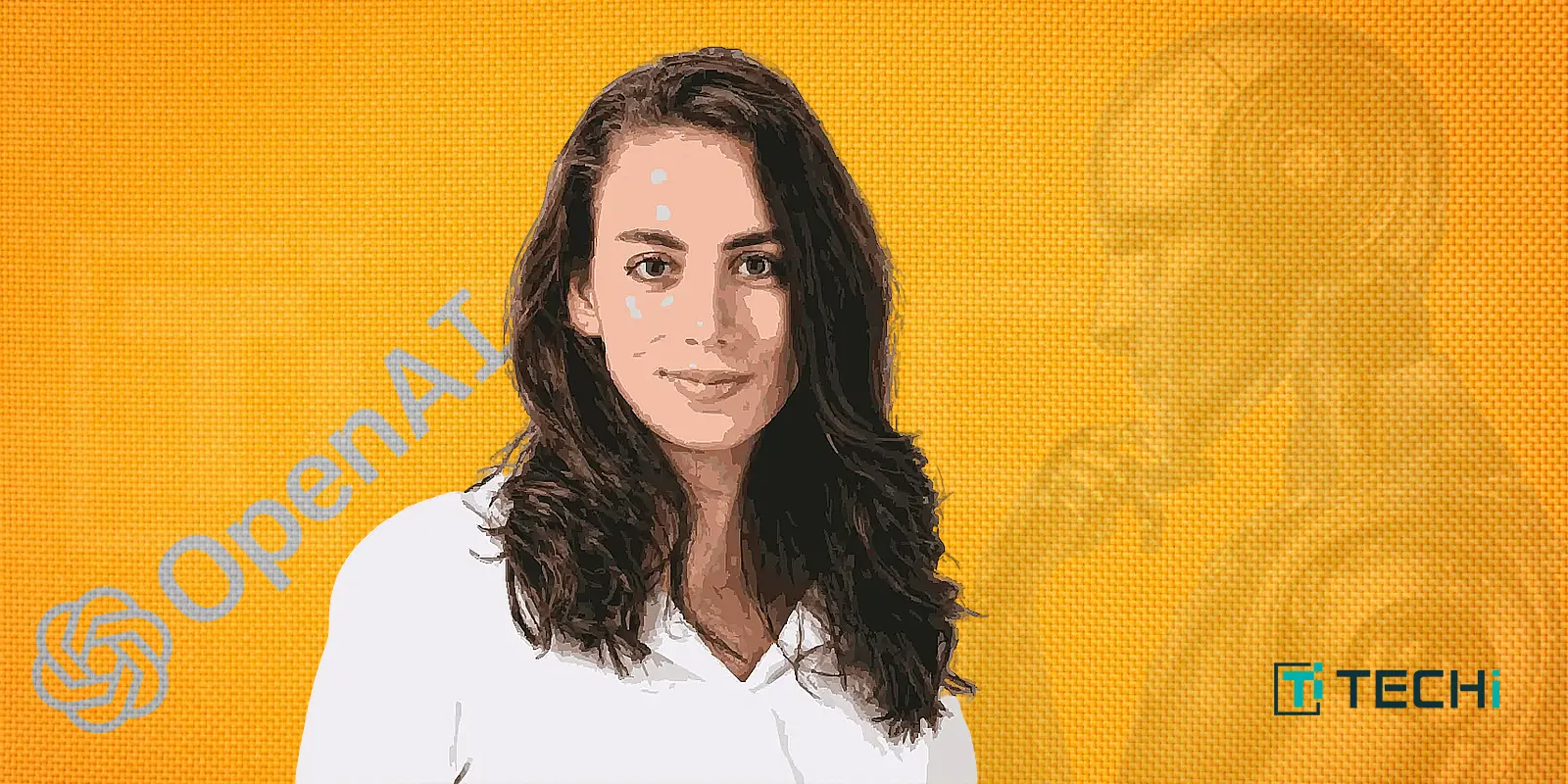
Mira Murati’s AI Vision gains Momentum with her new AI startup, Thinking Machines Lab

In the world of AI, where changes can be sweeping and instantaneous, similar is the dynamics of power. Mira Murati, ex-CTO of OpenAI, just set up her own AI startup, Thinking Machines Lab, and in this tech-world heist, she had 20 researchers from OpenAI join her. If AI were chess, Murati just shouted, “Check!” while sipping her coffee. So what does that mean for the future of AI, and why, suddenly, does OpenAI look like a coffee shop on a busy Monday morning with hardly any staff?

Former OpenAI Chief Technology Officer Mira Murati’s new AI startup, Thinking Machines Lab, is already throwing a major twist in the AI research space. Announced last Tuesday, the company has bragged of collecting the best researchers and engineers working in the leading AI companies, including OpenAI, Meta, and Mistral. The incident bears testament to Murati’s industry influence, as about two-thirds of the young startup’s workforce comprises such ex-OpenAI employees.

Powerhouse Team:

One of the most notable arrivals is Barret Zoph, the renowned AI researcher who left OpenAI on the same date as Murati late in September and will join the startup as the Chief Technology Officer. Another star player, John Schulman, who co-founded OpenAI will be the startup’s Chief Scientist. Schulman at one time went from OpenAI to Anthropic in August arguing that he wanted to shift his focus towards the area of AI alignment, a primal arena that ensures that the AI models remain aligned with human values in the spaces of safety and reliability.

According to sources, more ex-OpenAI employees are expected to join Murati’s venture. The company might have already begun talks to raise funding from venture capitalists, evidence of investors’ great interest in the mission established by the startup. At this stage, I believe that OpenAI might need an AI-powered therapist.

New Vision for AI Development:

Thinking Machines Lab is going to position itself as an AI company claiming to build something more visionary and carrying an ethical veil than any of the companies doing something similar. The startup said, “While current systems excel at programming and mathematics, we’re building AI that can adapt to the full spectrum of human expertise and enable a broader spectrum of applications”.

Another unique selling point of Thinking Machines Lab is its cross-design approach whereby teams from research and product development work together on a common problem. They build artificial intelligence solutions that are very innovative and also practical. The company has plans to dedicate a significant portion of its funds to AI alignment research by open-sourcing datasets, making model specifications available, and publishing research results.

Murati influence:

An active participant in the development of AI, Mira Murati began her work at OpenAI in 2018. She took a leadership position in the development of ChatGPT and many times represented OpenAI in public together with CEO Sam Altman. However, she abruptly left OpenAI amid the transition of its governance structure, joined by several other high-profile exits. Murati was formerly at the helm of numerous Tesla projects as well as those at augmented reality startup Leap Motion, gathering ample experience in cutting-edge technological advancement.

OpenAI’s Departure:

Murati is an additional name in the growing list of former OpenAI executives diversifying out into their new endeavours. Other famous AI projects set up by OpenAI alumni include Anthropic and Safe Superintelligence, which have managed to attract significant investment, and talent alike from OpenAI. Thinking Machines Labs looks poised to be a regular player able to build on its solid research base, courtesy of Murati’s industry experience.

As the AI ecosystem continues to change, Thinking Machines Lab ushers in yet another chapter in the race for building next-generation artificial intelligence. With an impressive cast, a heavy focus on AI alignment, and a commitment to openness in research, Murati’s newly birthed venture is expected to cause ripples across the industry and the future of AI just got a lot more competitive. 

Also Read: South Korea’s AI Power Play; Securing 10,000 GPUs for the Future