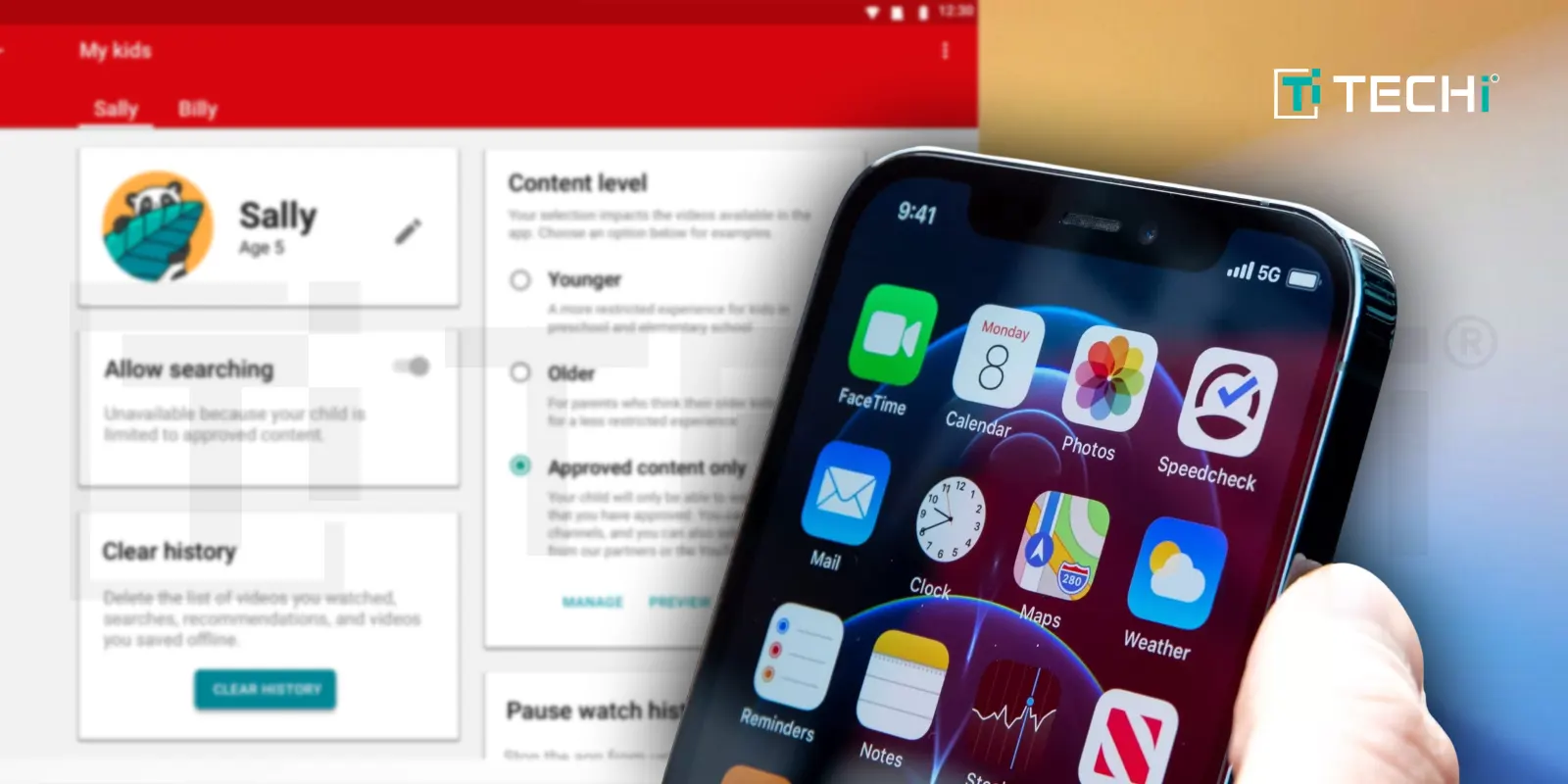
Apple Introduces New Child Safety Features to Let Parents Control App Access

For years, Apple has positioned itself as a privacy-first company, ensuring that user data remains protected. However, with growing concerns over children’s digital safety and app access, the company is now rolling out new child safety features that aim to give parents greater control over their children’s online experiences.

Age-Sharing Feature for Safer App Experiences

Apple’s latest initiative introduces an age-sharing system, allowing parents to share their child’s age range with app developers. This feature ensures that children interact with age-appropriate content while maintaining privacy protections. Unlike direct age verification methods, which Apple has argued could compromise sensitive user information, this system will let developers access only generalised age data rather than specific birthdates. Parents will have full control over this feature, choosing whether to enable or disable age-sharing. Apple is positioning this as a middle-ground approach that balances child safety with user privacy—an issue that tech giants like Meta, Snap, and X have debated in recent years.

Revamped App Store Ratings & Content Visibility

Apple is also overhauling its App Store rating system to provide a more granular approach to age-based content restrictions. The updated system introduces a five-tier rating structure:

  • 4+
  • 9+
  • 13+
  • 16+
  • 18+

Additionally, developers will now be required to disclose whether their apps contain user-generated content or advertisements, helping parents make informed decisions about which apps are suitable for their children. Apple has also confirmed that apps with age ratings exceeding a child’s parental settings won’t appear in recommended sections of the App Store.

Simplified Child Account Setup & Age Correction

Recognizing that setting up child accounts has often been cumbersome, Apple is introducing a new streamlined setup process for Child Accounts. This includes the ability for parents to correct their child’s age if it was mistakenly entered during setup. This small but crucial update ensures that children’s accounts align with their actual age, allowing age-based restrictions to function properly.

Industry Reactions & Next Steps

Apple’s new child safety updates come as lawmakers and tech companies debate who should be responsible for enforcing age restrictions. Meta has previously pushed for OS-level age verification, while Apple has resisted such moves, citing privacy risks. Meta spokesperson Jamie Radice, in a statement to The Verge, acknowledged Apple’s new approach but emphasized that parents should have full control over their child’s app downloads, not just age-sharing settings. Apple has yet to provide a specific launch date, but the company confirmed that these child safety enhancements will roll out later this year. As online safety becomes an increasingly important discussion, Apple’s latest move signals an effort to provide more robust digital protections for children while upholding privacy standards.

Read More: Meta Fires 20 Employees for Leaking Confidential Information
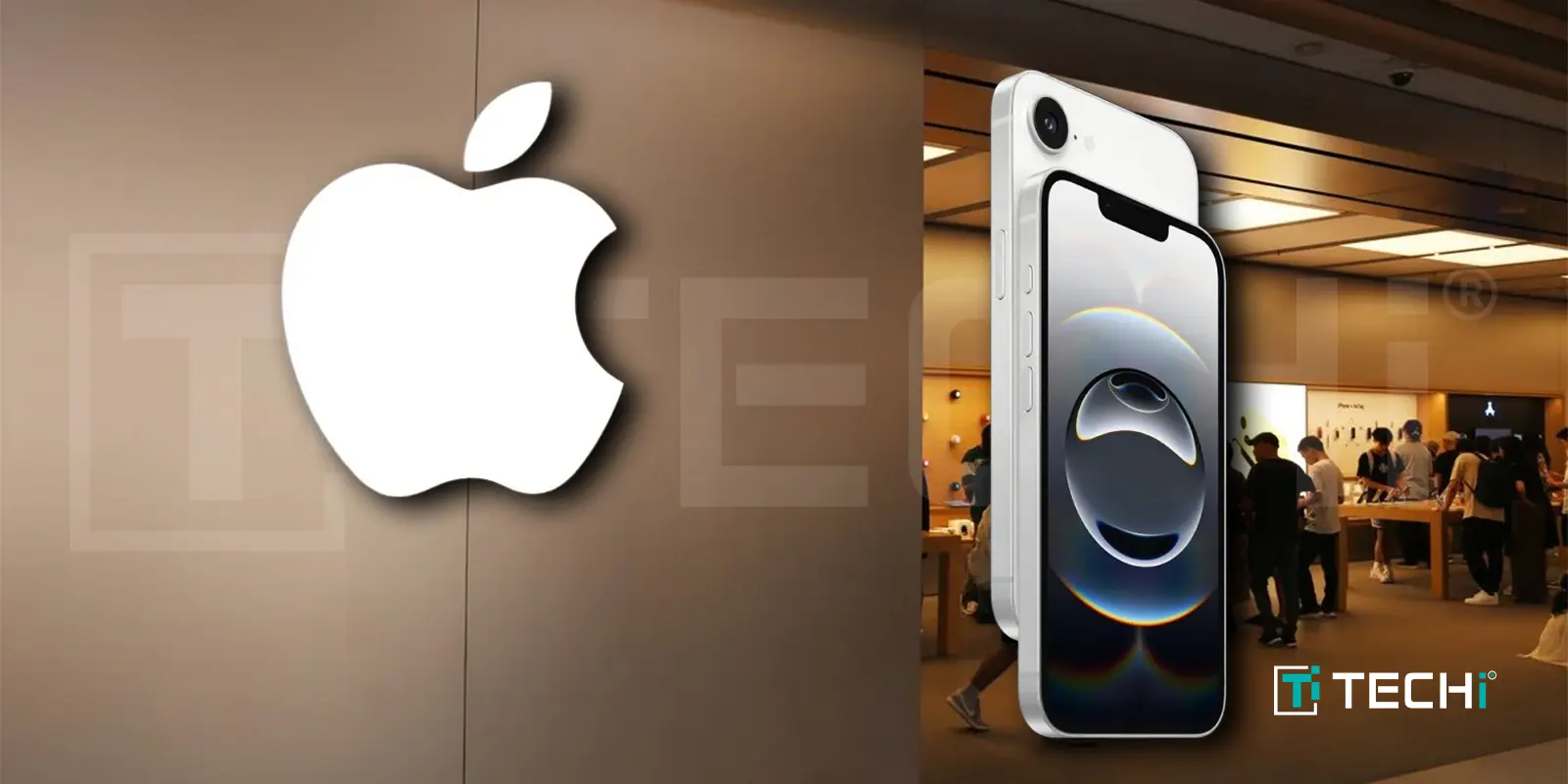

Apple Launches iPhone 16e in China to Compete with Local Brands

Apple is preparing to launch the iPhone 16e in China, aiming to regain its competitive edge in one of the world’s largest smartphone markets. Priced at approximately $600, the model aligns with China’s national stimulus program, which offers subsidies on smartphones under $800. This move is seen as part of Apple’s effort to maintain its foothold in the market amid evolving consumer preferences.

Competitive Market Landscape

Apple faces increasing competition from domestic smartphone manufacturers, which continue to introduce feature-rich devices at more accessible price points. While Apple’s premium devices cater to high-end users, the demand for more affordable options is growing among Chinese consumers.

Regulatory Considerations

Apple has yet to receive regulatory approval for some of its latest software and AI-driven features in China. This situation creates uncertainty regarding the availability of Apple Intelligence services, which are central to its latest iPhone models. The lack of approval could impact the iPhone 16e’s appeal compared to locally manufactured devices that already integrate similar capabilities.

Apple’s Market Position and Future Outlook

Apple previously held the top position in China’s smartphone market, surpassing competitors. However, reports indicate a shift in market rankings, prompting Apple to introduce the iPhone 16e as part of its strategy to sustain its position. The iPhone 16e’s performance in China will be a crucial indicator of Apple’s ability to navigate market challenges, regulatory hurdles, and competitive pricing pressures.

Read More: HP Acquires Humane: What It Means for the Future of AI Wearables

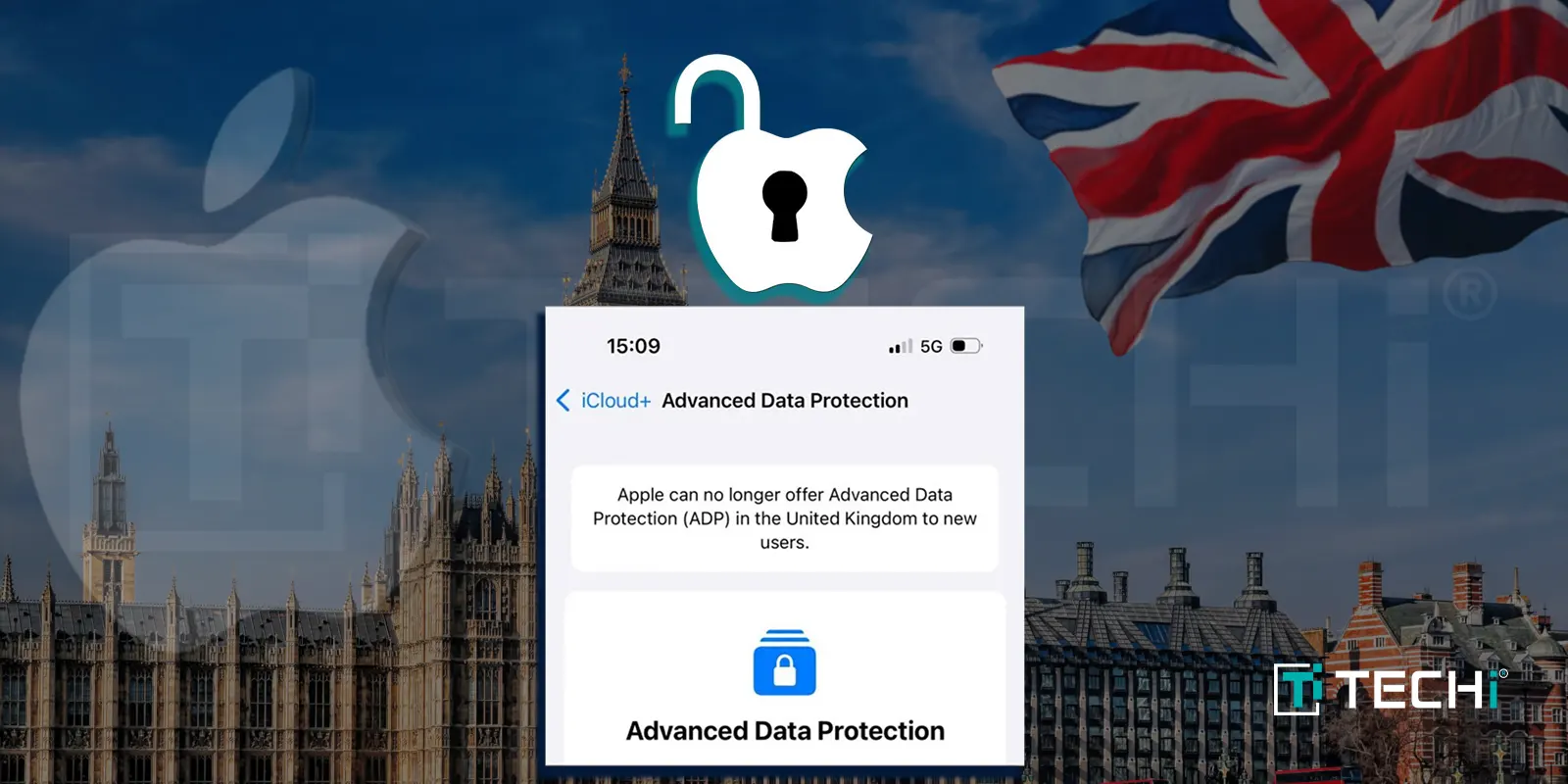
Apple Ends iCloud Encryption in UK After Government Demands

Apple has confirmed the removal of Advanced Data Protection (ADP) for iCloud backups in the UK following government demands for access to user data. This move means UK users will no longer have the option to secure their iCloud backups with end-to-end encryption, making it possible for authorities to request access to stored data under legal provisions.

Government Mandate Behind the Decision

The removal of ADP aligns with requirements set by the Investigatory Powers Act of 2016, which allows UK law enforcement to request access to encrypted data under a Technical Capability Notice (TCN). According to a report from The Washington Post, the UK government issued a Technical Capability Notice (TCN) to Apple under the Investigatory Powers Act of 2016. This notice compels companies to assist law enforcement in data collection by ensuring they can access encrypted information. Apple’s decision to remove ADP aligns with these legal requirements, as TCNs require firms to develop methods to provide data upon legal request.

While these notices do not provide unrestricted access, they compel companies to develop mechanisms for law enforcement to retrieve data when legally required. Apple has previously stated its commitment to user privacy and encryption but appears to have made this change to comply with UK regulations. A UK Home Office spokesperson declined to comment on whether a direct order was issued, stating, “We do not comment on operational matters, including confirming or denying the existence of such notices.”

Impact on iCloud Users in the UK

With the removal of ADP, UK users who rely on iCloud backups will no longer have the same level of encryption as users in other regions. This affects stored data, including messages, photos, and documents, which can now be accessed by Apple and shared with law enforcement upon legal request. Existing users who have already enabled ADP will not have it automatically disabled, but they will receive notifications prompting them to turn off the feature manually. Users who wish to maintain encryption must store their data locally on their devices without iCloud backup functionality.

Privacy and Security Concerns

Cybersecurity experts have raised concerns that this change weakens user privacy and data security. Many argue that once a government gains access to encrypted data, other nations may follow suit with similar demands. The move has also sparked fears of potential security risks, as reducing encryption may make user data more vulnerable to breaches and unauthorized access.

Industry Response and Future Implications

Digital rights organizations have criticized the decision, warning that it sets a precedent for further government intervention in encryption policies. Meredith Whittaker, president of Signal, has spoken against such measures, emphasizing that strong encryption is essential for security and digital privacy. Apple has maintained that while it is complying with UK law, it remains committed to encryption and will not create backdoors in its products. However, this move highlights the ongoing struggle between user privacy and government surveillance, with potential implications for tech companies operating in regions with strict data laws.

Read More: OpenAI Blocks Accounts in China & North Korea Over Misuse

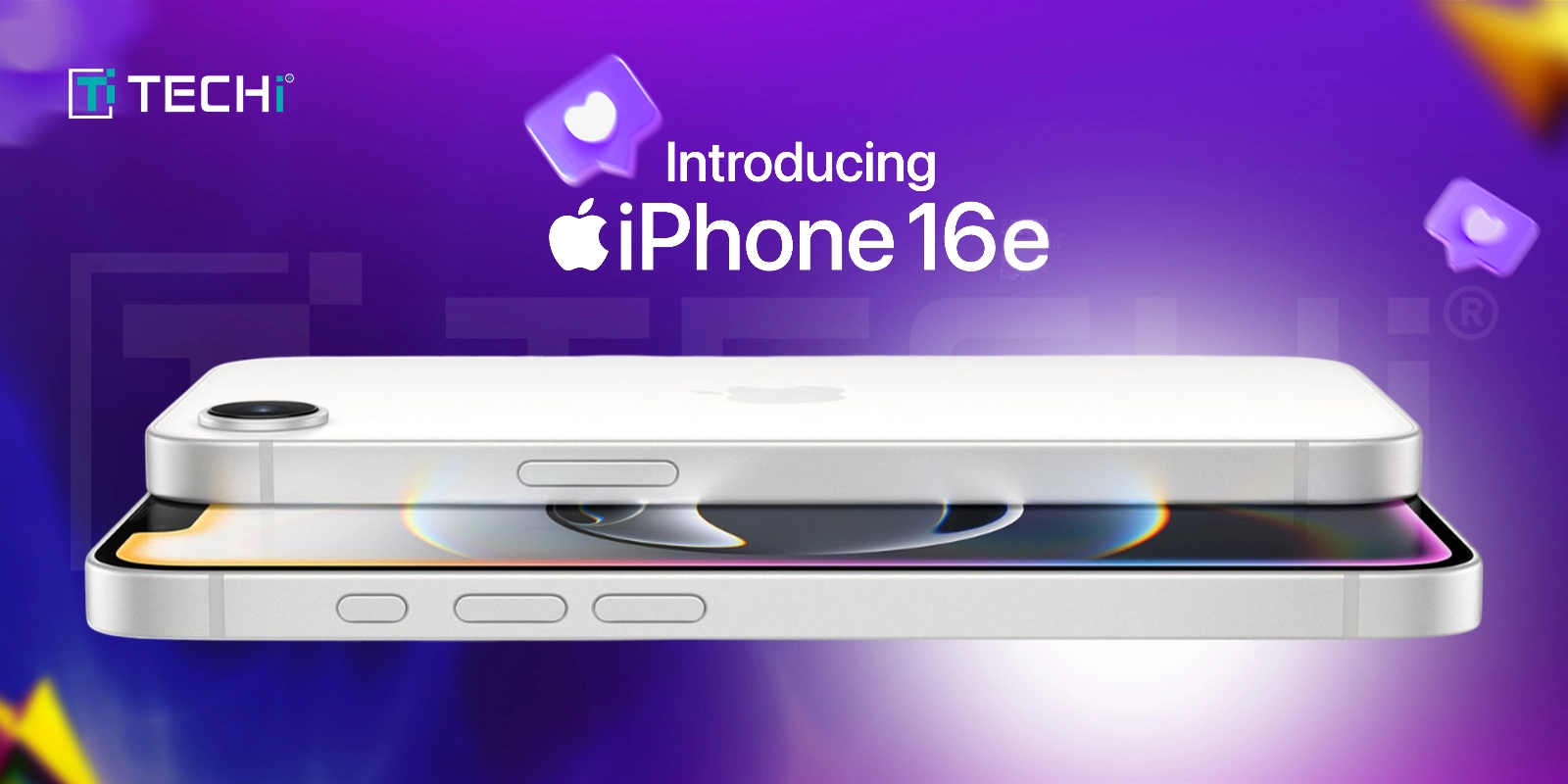
Apple’s iPhone 16e Brings AI & A18 Chip at $599, Launching Feb 28

AI meets affordability, as top of the line smartphones smash the barrier of $1,000, Apple is extraordinary for bringing such a change and providing this new range with a low cost but powerful alternative. The iPhone 16e, an AI-integrated device that brings value to affordability along with giving some very sleek redesigns and its latest see-through internal chip has entered the world of AI technologies.

The new iPhone 16e budget friendly smartphone, has been officially introduced by Apple. It is priced at $599 for the fourth-generation device. Not only is it the recipient of the latest AI capabilities introduced by Apple, but it also comes with the makeover and updated internals. It’s supposed to make its market debut on February 28, and that’s just the bridging element, from being pretty affordable to being all high-tech.

Apple Intelligence:

The major feature of the iPhone 16e is Apple Intelligence with its response to AI assistant competitors such as OpenAI’s ChatGPT and Google’s Gemini. This advanced model is even able to run locally on devices, which will offer services such as text summarization, letter writing, and picture generation.

Along with the exclusive club of devices that have Apple Intelligence features, the 16e joins the iPhone 16 lineup. The brain of the device is powered by an A18 processor, on which superb AI performance is delivered and also users are granted access to ChatGPT via Siri without having an OpenAI account.

Hardware and Design Changes:

The iPhone 16e has several major design and hardware improvements which are the following;

  •  Processor; the new Apple A18 chip has a 16-core AI processing-neural engine and a 4-core GPU.
  • Display; a larger 6.1 inches of OLED display is compared to a previous 4.8-inch screen on the SE.
  • Camera; a single 48-megapixel rear camera with 2x zoom, which produces 24-megapixel images.
  • Face ID & Notch; for Face ID, it was done away with the Touch ID home button similar to the notch style of an iPhone X.
  •  USB-C Port; it moves away from Lightning ports to USB-C for standardization of the entire Apple’s hardware.
  •  Battery Life; it offers what Apple calls “the best battery life ever on a 6.1-inch iPhone” and claims to give 12 hours more battery life than its predecessor.
  • The most described milestone, iPhone 16e, is also synonymous with the debut of the new Apple brand modem, known as the C1, populating the pages of the history book. So now, Apple will stop depending on companies like Qualcomm and Intel for modem chips.

Strategic Timing for a Shifting Marketplace:

The iPhone 16e is coming at a critical time for Apple, especially due to the recent 11% drop in its market share in China. Increased competition from Huawei and limited AI availability in China were to be blamed for this drop. The company is working to integrate major Chinese tech firms, like Tencent, ByteDance, and Alibaba, to create a localized AI experience in the region. The iPhone SE series, historically, has had good sales mainly in key markets of China and India. While the new price tag of $599 is a $100 increase from its predecessor, premium features and AI capabilities may help Apple claw back in these markets.

Availability and Preorders:

Preorders start on February 21, while shipping is scheduled to begin on the 28th of February. The iPhone 16e is really not just any other low-cost device but rather a statement. With its AI capabilities, an improved battery, and a redesigned modern look, Apple is demonstrating how innovation does not only lie with high priced models. In a rapidly changing market environment with increasing competition, the iPhone 16e may be instrumental in appealing to new users wanting technology with a value for money proposal. As Apple continues stretching the boundaries of AI and smartphone technologies, the iPhone 16e could become a game changer in the midrange space.

Read More: Thousands of Apps Removed from EU App Store as Apple Enforces DSA

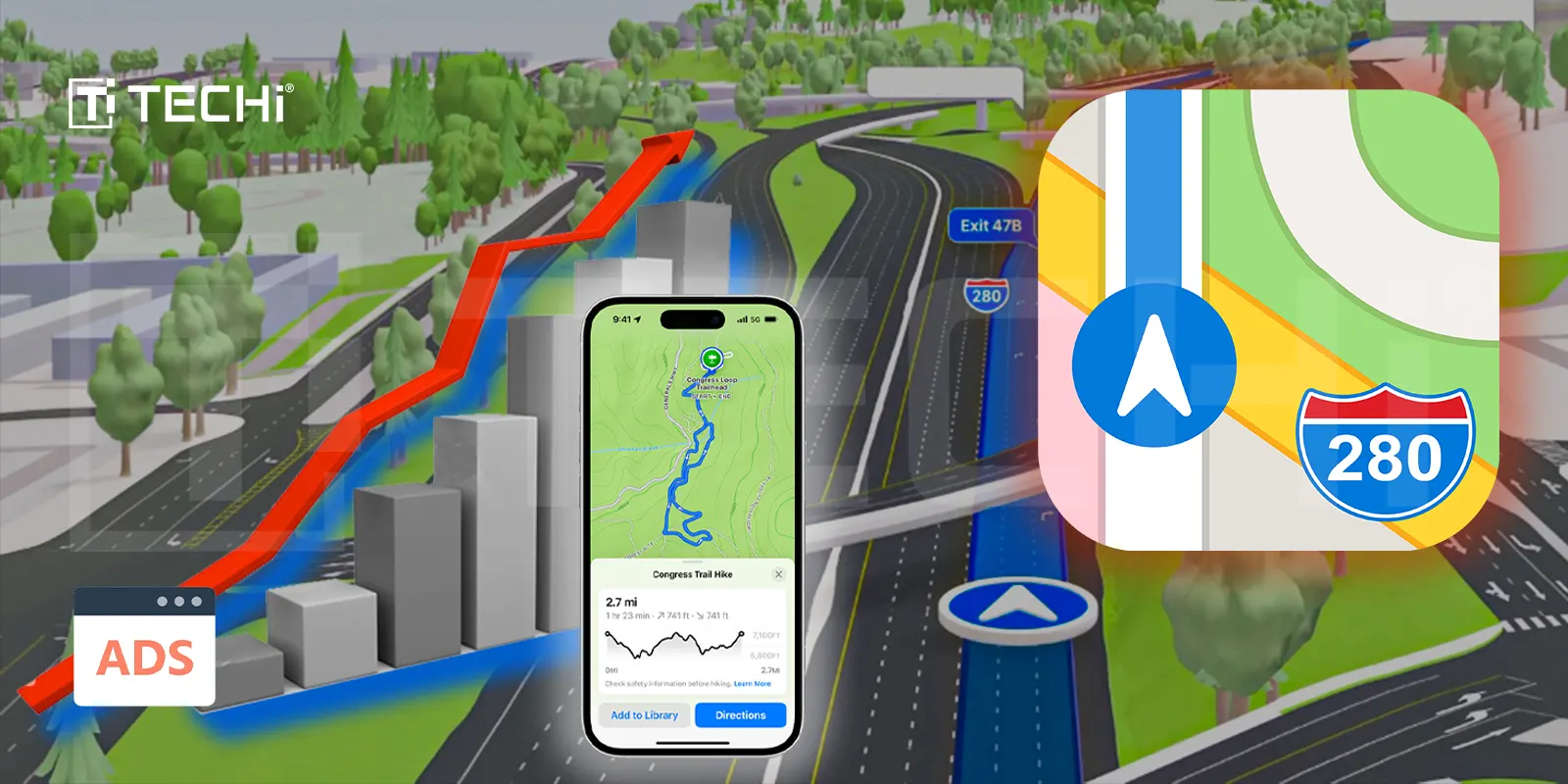
Apple Maps May Introduce Google-Style Ads to Expand Its Revenue Stream

The iPhone maker is envisioning a future where users could turn their navigation into a revenue-generating machine by implementing advertisements. Apple Inc. might open a new front in its advertising business by considering the introduction of ads into Apple Maps, as similar in the business model of Alphabet Inc. Google Maps. This could prove a huge shift in the company’s monetization strategy. In the event that this works, Apple Maps might soon be as much like Google Maps in terms of accuracy as monetization. This shift also shows an extension of Apple’s increasing ambitions regarding digital advertising, an area that has slowly yet surely been added into Apple’s catalog.

Apple Maps Monetization under Consideration:

The idea of paid advertising integrated within Apple Maps was raised during a recent Apple all-hands meeting. As Mark Gurman in his newsletter ‘Power On’ said, “During a recent all-hands meeting, Apple’s Maps division revisited the idea of monetizing its navigation app”. This would enable businesses to buy positions above organic results, something similar to ads in Google Maps.

Apple had previously tested out ads in several formats, with search ads within the App Store, advertisements in Apple News, and ads within the Stocks app being part of its strategy already. Extending this to Apple Maps will create another revenue source while aligning with Apple’s broader opportunity of increasing services income.

Revenue Significance:

Along with rapidly changing time comes the rapidly changed behavior of the users. In a 2023 antitrust case against Google, evidence showed that Google Maps usage on iPhones had significantly declined since Apple had switched over to its own mapping. Thus, Google had gained back only 40% of its historic mobile traffic, indicating that Apple has been growing its footprint in the navigation services.

Apple’s financials are also reflecting a growing portion of its revenue coming from services. For its fiscal first quarter of 2024, Apple made $124.3 billion in revenue, which is above the $124.13 billion forecast by analysts. The important bit was that its services revenue rose to $26.34 billion, from $23.12 billion a year ago, indicative of the company’s push toward subscription revenue and ad-based monetization.

Market Implications and Stock Market Response:

Advertising in Maps by Apple would bring huge changes to the digital advertising arena that has long been dominated by Google Maps in terms of location based search. Advertisers will tend to shift parts of their budgets toward Apple’s ecosystem that has a more dedicated user base and tougher strict privacy policies that target privacy conscious consumers. Apple’s already ‘privacy first’ moves, such as App Tracking Transparency (ATT), have already changed mobile advertising forever. Ads in Apple Maps will raise the question of how the company intends to generate revenue while keeping user privacy intact.

The stock of Apple was very calm with the news. The stock by after-hours trading registered an increase of 0.02% to $244.65 following a 1.27% rise to $244.60 at Friday’s close. Investors seem to be cautiously optimistic about the entry of Apple into location-based advertising.

Apple’s growing services:

The move that Apple is more likely to take in terms of advertising monetization within Maps will reinvent the methodologies employed by organizations when reaching users through navigation systems. While it represents a huge opportunity from Apple’s growing services business, it does bear several critical issues concerning user experience and privacy.

If Apple materialises its ad possibilities for Maps, then it may usher in a new era for Apple advertising, one that directly competes with Google’s immensely profitable model of search based advertising. Some users might appreciate recommendations that are relevant, while others could find them intrusive. As Apple dives further into services and advertising, iPhone users must prepare themselves to be monetized even further in the apps that they use on an everyday basis. The industry will be watching as Apple explores this possible revenue stream to see how it affects competition with Google and the digital advertising marketplace in general.

Read More: Apple to Bring AI Features and Spatial Content App to Vision Pro

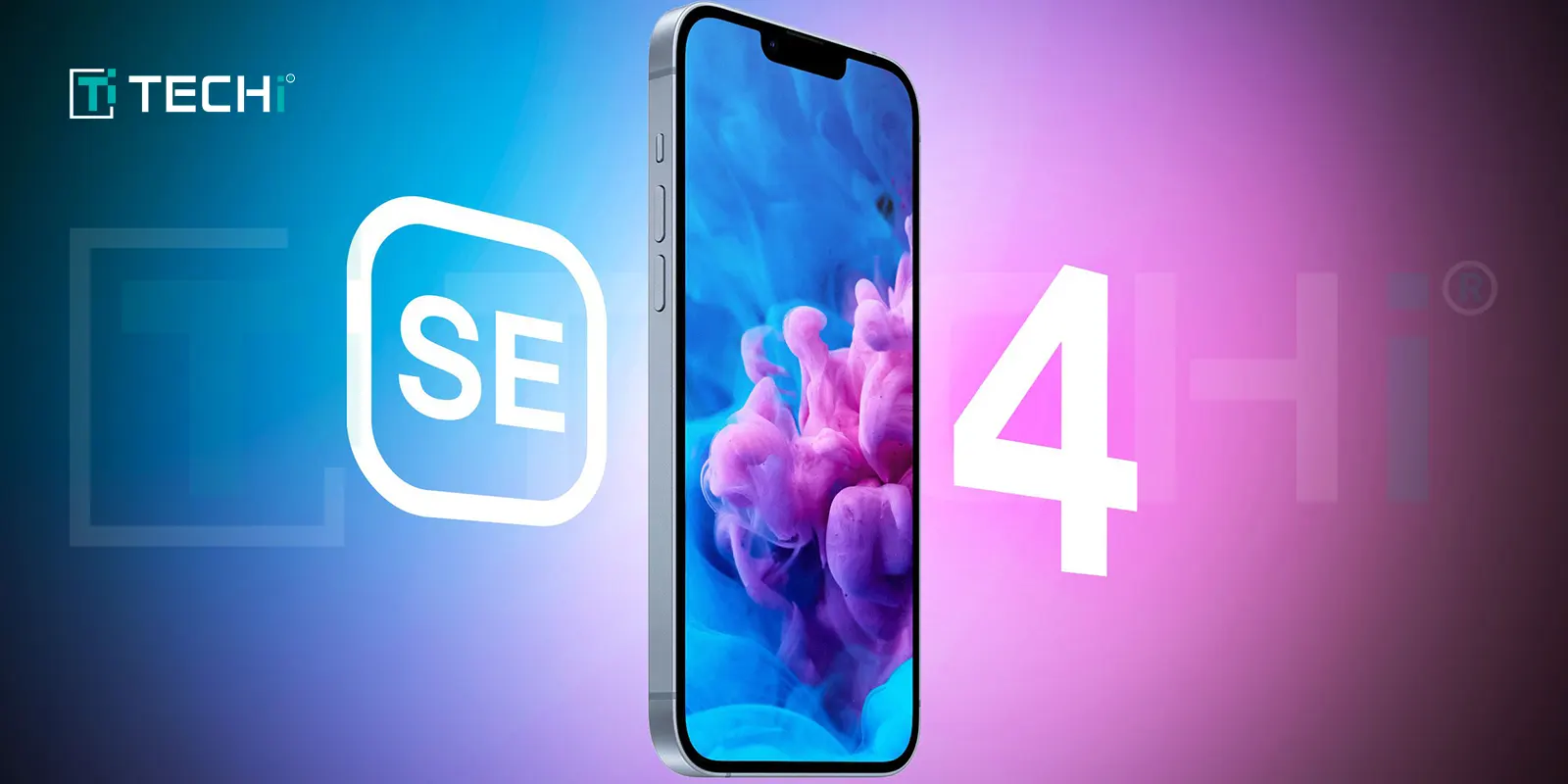
Apple’s iPhone SE 4 Leaks, Reveals New Design and Features

The whole iPhone SE series for Apple has been a nostalgic nod to the past, whereas out there, the whole world is charging ahead with dynamic islands, multi-camera setups, and everything is AI-powered, but now the iPhone SE 4 looks like it might have a glow-up. The design leak suggests this could be the first time Apple may not be using retro design in the iPhone SE lineup for a while now. Thus, it might be just about time to say goodbye to your dear home-buttoned SE and actually get a Face ID like the rest of the lot.

Apple is rolling out updates for its budget friendly iPhone SE, and the iPhone SE 4 will totally be different in a way that it will change its typical way. This has long been anticipated and much awaited, as it finally brings the longtime old model closer to that of the modern designs and great features replaced with those of the iPhone 14. An introduction of an even bigger 6.1-inch OLED display with Face ID support and 5G will make this phone a life changer for those who want to buy an affordable yet feature rich iPhone.

Modern Look with New Features:

From the information leaked by the case maker Spigen, the iPhone SE 4 is going to ditch its thick bezels and the home button seen on its previous models. Like the iPhone 14, it would feature some thinner bezels with a notch. A dual camera system that comes with iPhone 14 has been replaced with a single 48MP rear camera. With just one camera, the SE 4 boasts a massive upgrade from its predecessor. Though it already features a home button, the SE 4 is reportedly being further improved into this by being equipped with Apple’s Face ID technology. The set also includes most of Apple’s other iPhone models, so the device isn’t meant to be any different.

Rumour has it that the iPhone SE 4 will contain an A18 Bionic chip, which has become synonymous with even the cheap kinds of iPhones that exist. All this would possibly contribute to higher speed, improved efficiency, and greater battery life. It is also claimed that the phone is going to have 8 GB of RAM, which makes even smoother operation in numerous tasks. The most substantial change includes the USB-C port, steering away from Apple’s traditional Lightning port. In this diversion, Apple falls in line with USB-C in all its products and also assures better compatibility with third-party accessories and better speed for fast charging in the future.

Budget Friendly:

It would seem unlikely that Apple would hold a major event to launch the SE 4. It is rumored that the iPhone SE 4 may be presented via YouTube and a press release on February 11, 2025. Pricing continues to remain unknown, but speculation suggests a launch price just below $500 (roughly Rs.49,000 in India). Although this is slightly more than prior SE editions, it still represents a good choice for budget conscious smartphone users compared to some of Apple’s other flagship offerings.

The SE 4 could be an option for those who want a modern iPhone without spending too much, but weigh your requirements beforehand to see if the iPhone SE 4 really meets the bar set by your expectations. With a completely reworked design, improved performance, and a reasonable price, Apple would be hoping to win over a lot of users with this budget friendly iPhone.

Read More: Apple May Reveal Next-Gen iPhone SE in Upcoming Event