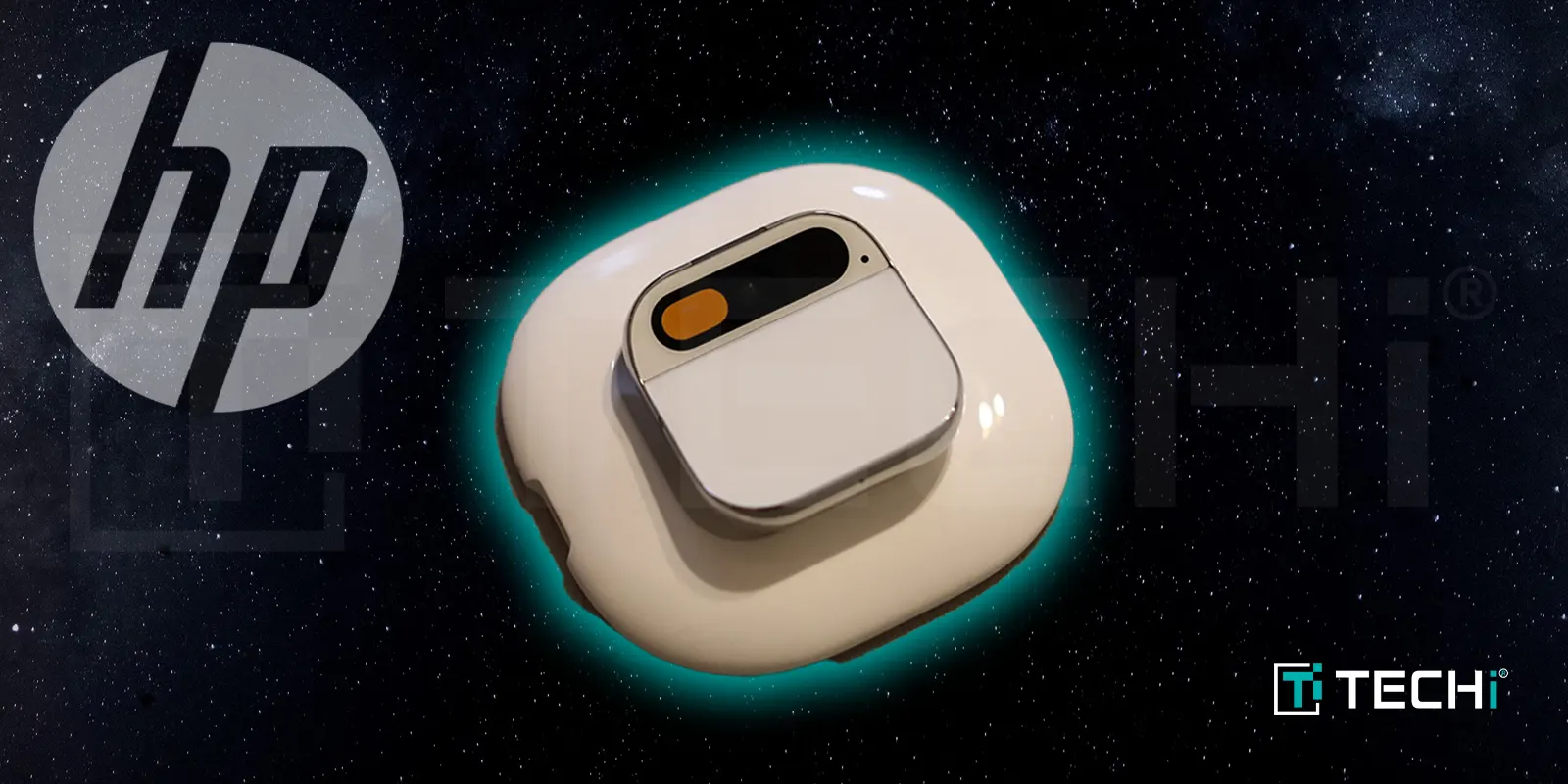
HP Acquires Humane: What It Means for the Future of AI Wearables

HP’s recent $116 million acquisition of Humane has sent ripples through the tech industry. Once valued at $240 million, the AI wearable startup has been acquired for less than half of its original funding, signalling a major shift in the AI hardware space. The deal also comes with job offers for select Humane employees, while others have been let go. With Humane’s AI Pin officially discontinued, this raises questions about the future of AI-driven wearable technology and HP‘s plans for AI innovation. Let’s dive into the details.

Humane’s AI Pin: A Short-Lived Vision

Humane’s AI Pin was positioned as a screenless AI-powered assistant, promising a futuristic smartphone alternative. The $499 wearable aimed to leverage AI for daily tasks like messaging, calls, and web queries.

However, the device struggled due to:

  • High Price Tag – The $499 price made it less attractive than existing smart assistants.
  • Performance Issues – AI response times were slow, and cloud dependency limited functionality.
  • Limited Adoption – Consumers didn’t fully embrace the concept of screenless AI wearables.

With sales discontinued and cloud services shutting down by February 28, the Humane AI Pin is officially dead.

Why Did HP Acquire Humane?

HP’s decision to buy out Humane’s assets suggests the company sees value in AI wearables and computing. Potential reasons include:

  • AI Hardware Integration – HP may incorporate Humane’s technology into laptops, tablets, or smart accessories.
  • AI Research & Development – Humane’s AI models and patents could enhance HP’s AI-driven software and cloud services.
  • Enterprise & Consumer Applications – HP might reposition Humane’s AI assistant for business users rather than mainstream consumers.

What Happens to Humane’s Employees?

Following the acquisition, some Humane employees received job offers from HP, with salary increases ranging from 30% to 70%, stock options, and bonuses. However, many employees working closely with AI Pin development were laid off, indicating a shift in priorities.

What This Means for AI Wearables

The fall of Humane highlights key lessons for the future of AI-powered devices:

  • AI Hardware Needs Practicality – Consumers prefer AI features integrated into existing devices rather than standalone gadgets.
  • Cloud-Dependency is Risky – Relying on cloud services for core functionality limits usability.
  • Big Tech Dominates AI Innovation – Startups in AI hardware must compete with tech giants like Apple, Google, and Microsoft.

Final Thoughts: Is HP’s AI Bet Worth It?

HP’s acquisition of Humane raises an important question: Will AI wearables survive, or was Humane’s failure a sign that the market isn’t ready? With AI assistants like ChatGPT, Gemini, and Apple’s AI models becoming more powerful, the future of AI devices might lie in software rather than standalone wearables. Whether HP revives Humane’s vision or pivots entirely remains to be seen.

Read More: Nvidia CEO Jensen Huang says market got it wrong about DeepSeek’s impact
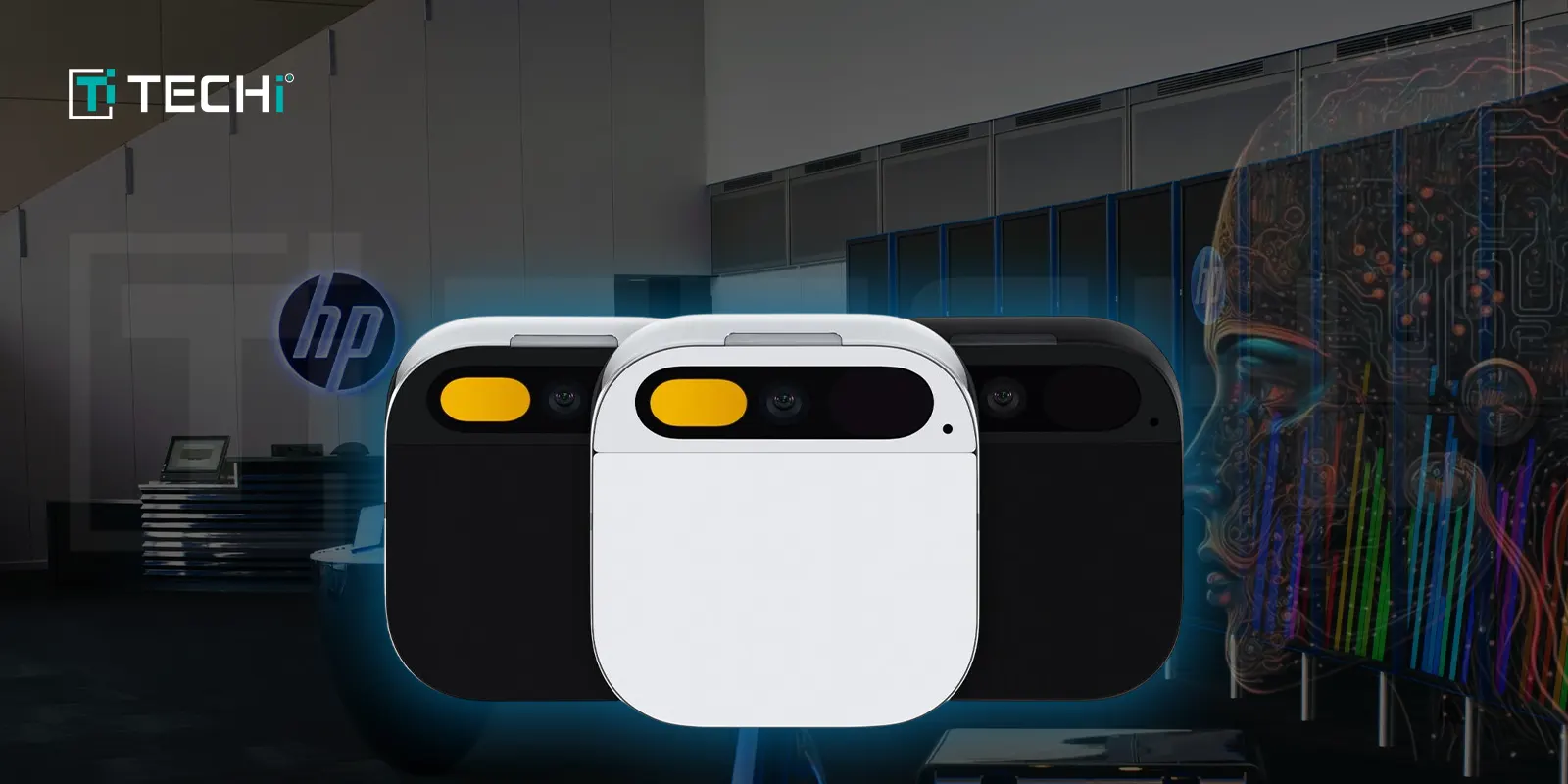
HP Acquires Humane Assets for $116M, Shutting Down AI Pin for Good

Full of dreams and larger than life disasters, it seemed for a while that the world of tech startups is meant for the Humane Ai Pin. Once celebrated as the future of wearable AI, the product is indeed fading fast along with its parent startup. In a typical twist of this drama, HP clawed Humane’s assets for $116 million, taking the AI Pin off life support just 10 months after its grand launch. I guess the lesson to learn here is that sometimes tech dreams do not translate into reality, and in the case of the Humane AI Pin, reality came knocking hard at the door with “No, thanks!” from the market.

After having its assets bought for $116 million by HP, the hardware startup Humane, which was once looking to change personal computing with its AI-powered wearable device, is essentially shutting down its operations. The acquisition was announced on Tuesday and it signals the demise of Humane’s aspirations for an AI Pin that once served as hope for a smartphone alternative.

This instant effect means sales of the AI Pin are being halted by Humane, the AI Pin is priced at $499. Customers who purchased the AI Pin have been notified that their pins would stop working on 28th of February, 2025 at 12 PM PST. Upon that date, the devices will lose connectivity to Humane’s servers, rendering them incapable of performing core functions like calling, messaging, AI queries, and cloud access. Humane is advising existing owners of the AI Pin to save their important data and videos on some external device before the date of shutdown. Among the consequences of the closure is that the customers who bought their AI Pin in the last 90 days will get their money back, but those who bought it before this will get no refund.

Short-Term Vision:

When launched in April of 2024, the AI Pin brought in a lot of hype, and it was promoted as an entirely new ecosystem that bluntly contrasted with the smartphone way of life. Founded by ex-Apple executives Bethany Bongiorno and Imran Chaudhri, the startup from the Bay Area raised over $230 million to bring the product to market. However, raised expectations gave way to reality as the AI Pin was amazed to find acceptance.

Early reviews and user comments revealed significant shortcomings in the product, causing massive disappointment. Reports emerged in which it was indicated that return rates for AI Pin sales surpassed new sales beginning that summer of 2024. Humane further complicated the matter by issuing a safety warning asking users to stop using the device’s charging case over fire risks concerning the battery. The company tried to excite interest once again in October 2024 by announcing a price reduction for the AI Pin from $699 to $499, but it failed to gain any momentum.

HP’s AI Ambitions:

As part of the acquisition process, HP is absorbing numerous engineers and product managers from Humane, who will set the foundation of the new division of HP called HP IQ. According to HP, this newly formed innovation lab for AI is set to focus on integrating artificial intelligence within its product ecosystem specifically relating to applications of the future of work. HP is also acquiring some proprietary technologies from Humane. Among those is the CosmOS AI operating system, which Humane recently presented with a vision such that CosmOS would power a multitude of smart devices, including car entertainment systems, smart speakers, TVs, and Android smartphones.

HP is expected to investigate how CosmOS could eventually be utilized in their PCs and printers, thus creating an opportunity for AI hardware differentiation. Interestingly, in May 2024, Humane was reportedly looking for a much bigger deal, reportedly valuing itself between $750 million and $1 billion, as per Bloomberg. The final deal struck with HP was for a much lower amount, although Humane has not commented on the acquisition. With this acquisition, HP wants access to Humane’s AI know-how and technology in support of its AI-driven innovations, which signify a crucial strategic shift in HP’s approach to AI-integrated hardware.

Humane’s AI Pin now adds itself to the list of insatiable and ambitious tech products, some of which failed to engage and please the audience. True to its charms, the device promised wearers a screenless AI-enabled accessory but ended up disappointing, not only in practicality but also in the appeal of the mass market. As the dust settles, one thing becomes clear that there is no such thing as easy access to a deep-rooted industry, and even the richest and most well-funded ideas may not survive if real value does not add to them.

Read More: Legal AI Startup Luminance Secures $75M to Advance AI-Powered Contracts