“Never” is a bold word. It is absolute and endless. To say that something can never happen is one of the most ignorant things that someone can say (or blog) in public. Thankfully, I tempered my statement with the word, “may”.
“Impossible” is a word that is similar to “never”. I’ll invoke it now, social media can continue in one form or another indefinitely because of its nature. As long as there are humans, there’s a good chance that there will be some variation in social media. It’s a hard cat to put back in the bag.
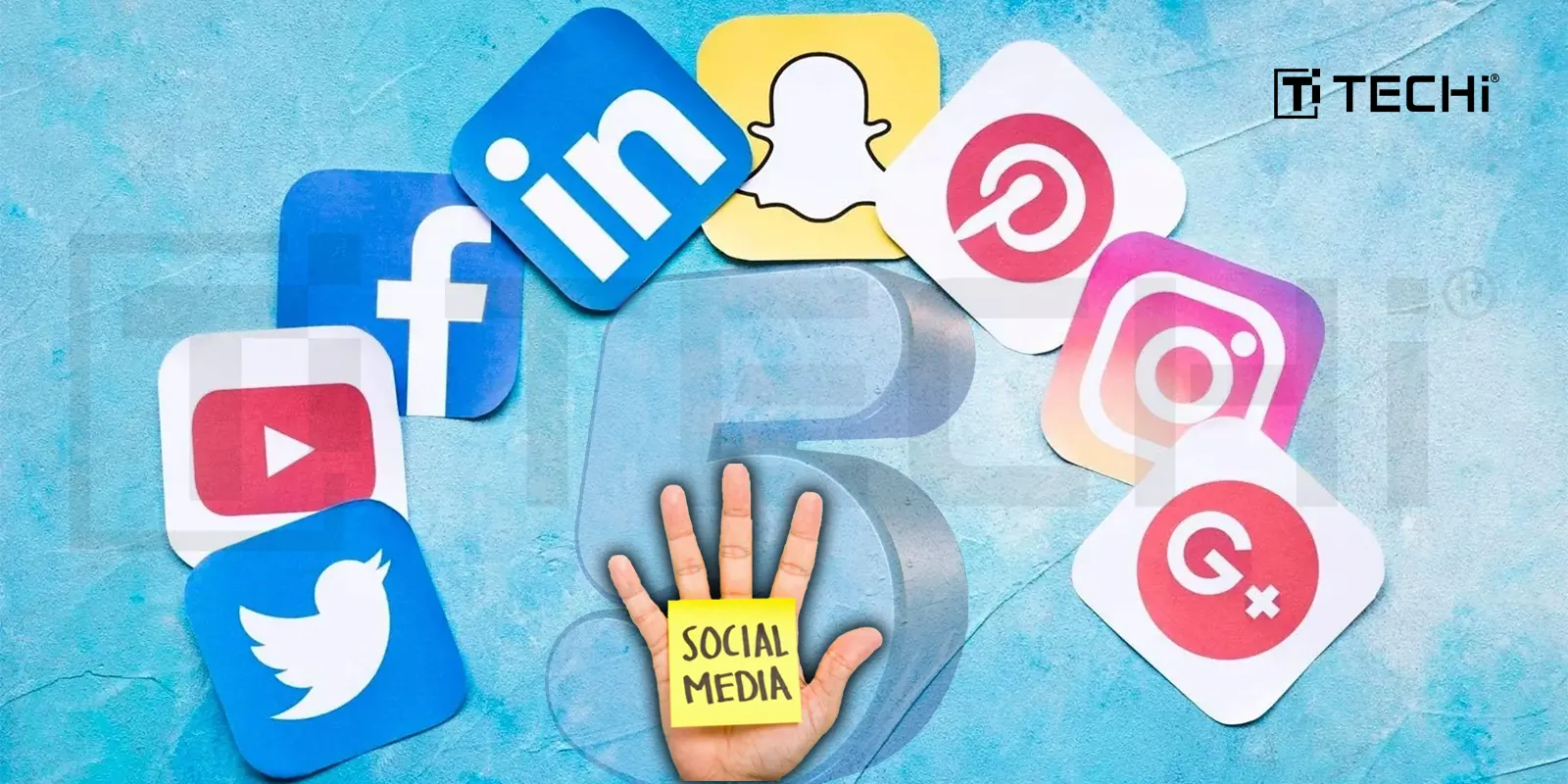
The folks over at Techi team put together a graphic that explains five valid reasons why social media continues to grow in influence. All five reasons lend credence to the concept that as long as humans inhabit the earth and barring a major catastrophe that cuts us all off from one another, social media will play a role.
Influence of Social Media
Though social media was previously regarded as a means of communicating in daily life, it has subsequently been incorporated into modern society. It goes beyond personal attachments and enters the business arena, dictating how people share information, consume information, and make decisions. As long as there are human beings to interact and entertain, social media keeps on transforming, thus somberly hinting that it is far from fading away.
Here are five primary reasons social media will continue to be relevant into 2025 and beyond.
1. It’s Ubiquitous
With billions of users logging on every day, social media platforms have practically become an irrefutable avenue. As of 2025, the approximate active monthly users counted on major platforms are as follows:
- Facebook: 4.1 Billion users
- YouTube: 8.7 Billion users
- Instagram: 4.7 Billion users
- TikTok: 757.5 Million users
- LinkedIn: 565.1 Million users
- X, formerly Twitter: 858.9 Million users
- Pinterest: 1.4 Billion users
- Reddit: 1.2 Billion
With short-form video content, AI-led interactivity, and metaverse collaborations grabbing the highest-ever engagement, the introduction of AR and VR features further ensures that social media remains a prime selling point in digital interaction. Platforms like Meta’s Horizon Worlds and TikTok’s user-driven video curation are reconstructing user engagement with content.
At the same time, new social media sites are continuously being developed, and AI-enabled social apps are rapidly gaining traction among the younger population. The outcome shows that social media keeps pace as technology changes, enabling it to be a permanent fixture in people’s lives.
2. It’s Time-Consuming
As social media gains more attention, the time users are willing to spend on it is steadily increasing. In 2025, users spend, on average:
- TikTok: 95 minutes
- YouTube: 78 minutes
- Instagram: 65 minutes
- Facebook: 58 minutes
- X (formerly Twitter): 34 minutes
- LinkedIn: 7 minutes
(Source: 250+ Social Media Statistics…)
Content that is increasingly personalized to users’ preferences is being delivered nowadays by AI-based recommendation engines through social media more than ever before. These include continuous scrolling, auto-play videos, and algorithm-driven engagement loops, which are becoming social media site attractions that are challenging to break away from.
FOMO (Fear of Missing Out) also affects this phenomenon. The fear of being out of the loop on trending topics, viral challenges, and breaking news helps to engage customers, particularly through Instagram and Snapchat, in their ephemeral messaging (stories and reels) offering.
With an ever-evolving innovation on the part of social media firms to grab attention, audiences are more engaged than ever, further entrenching the relevance of these platforms in daily life.
3. It’s Habit-Forming
Social media is a full-blown habit for billions and has transcended a mere pastime. A survey of 5,000 users revealed:
- Users spend an average of 2 hours and 19 minutes per day on social media.
- 73% felt anxious if they had not checked notifications in a few hours.
- 61% confessed to checking messages even during intimate or important occasions.
- 58% scrolling social media to pass the time while eating.
Such habitual behavior is primarily reinforced by dopamine-fueled feedback loops, granting
instant gratification through likes, comments, and notifications. The design of social media platforms in conjunction with AI-driven personalization has become an incredible feature, enhancing user engagement and retention.
The advances in AI chatbot design, disseminating virtual influencers and algorithmically trained feeds, have cemented addiction. Today, users depend on social networking platforms not just for amusement but also for news, communication, shopping, and work networking.
The more social media embeds into a person’s regular activity, the more likely it becomes next to impossible for him or her to turn away from; that would safeguard it from going away.
4. It Influences Life Outside
What is social media? Have you ever found it as a mirror of truth? Actually, social media influences people to boycott their outside activities. Compared to that of non-active users, socially active users are:
- 3.5 times more likely to attend a live event (concerts, sports, festivals, etc.).
- 2.8 times more likely to engage in fitness fads and post their workouts online.
- 2.2 times more likely to make a purchase decision based on an influencer in social media.
- 2 times more likely to discuss political and social matters in the news.
- 1.8 times more likely to take part in local events or activities advocating for any issue.
The influencer marketing boom has opened avenues for reliance on social media for many people looking for product recommendations, fitness motivation, or even career advice. TikTok and Instagram have churned out megatrends in fashion, beauty, and lifestyle today.
Moreover, social media is increasingly shaping activism. From climate action initiatives to political campaigns, people use it to organize communities, disseminate messages, and affect changes in real life.
How social media influences offline behavior means that it continues to have a lasting impact on society.
5: It Helps Business Growth
Now in times more than ever, brands rely on social media, meaning it’s one of the most effective ways within which businesses perform their activities in advertising, interaction with customers, and revenue collection.
By 2025:
40% will find products to buy thanks to seeing an advertisement on social media or by an influencer. Most businesses generate most of their leads through platforms like LinkedIn 89%, Instagram 61%, and TikTok 47%. In 2025, social commerce would see $2.2 trillion in global sales. Customer retention has risen by 40% due to AI-enabled chatbots and personalized recommendations.
Social media are not only places for brand awareness but also e-commerce sites. With shoppable posts, live-stream shopping, and AI-driven product recommendations, businesses can sell directly through social apps and not direct users elsewhere, like other websites.
Therefore, AI-powered customer service chatbots have made it possible to have less communication between businesses and consumers with better speed and customer satisfaction.
Whether a local or a multinational corporation, all continue to view social media as one of the major channels to be able to advertise, engage, and generate income, and thus, its ongoing activity.
Resources:
- https://datareportal.com/social-media-users
- https://www.smartinsights.com/social-media-marketing/social-media-strategy/new-global-social-media-research
- https://www.measure.studio/post/social-media-statistics
Also Read: 17 Amazing Facts About Wikipedia