Nvidia CEO Jensen Huang says market got it wrong about DeepSeek’s impact

Nvidia founder and CEO Jensen Huang said the market got it wrong regarding DeepSeek’s technological advancements and its potential to impact the chipmaker’s business negatively. Instead, Huang called DeepSeek’s R1 open-source reasoning model “incredibly exciting” while speaking with Alex Bouzari, CEO of DataDirect Networks, in a pre-recorded interview that was released on Thursday.

“I think the market responded to R1, as in, ‘Oh my gosh. AI is finished,’” Huang told Bouzari. “You know, it dropped out of the sky. We don’t need to do any computing anymore. It’s exactly the opposite. It’s [the] complete opposite.”

Huang said that the release of R1 is inherently good for the AI market and will accelerate the adoption of AI as opposed to this release meaning that the market no longer had a use for compute resources — like the ones Nvidia produces.

“It’s making everybody take notice that, okay, there are opportunities to have the models be far more efficient than what we thought was possible,” Huang said. “And so it’s expanding, and it’s accelerating the adoption of AI.” He also pointed out that, despite DeepSeek’s advancements in pre-training AI models, post-training will remain important and resource-intensive.

“Reasoning is a fairly compute-intensive part of it,” Huang added.

Nvidia declined to provide further commentary. Huang’s comments come almost a month after DeepSeek released the open-source version of its R1 model, which rocked the AI market in general and seemed to affect Nvidia disproportionately. The company’s stock price plummeted 16.9% in one market day upon releasing DeepSeek’s news.

According to data from Yahoo Finance, Nvidia’s stock closed at $142.62 a share on January 24. The following Monday, January 27, the stock dropped rapidly and closed at $118.52 a share. This event wiped $600 billion off of Nvidia’s market cap in just three days. The chip company’s stock has almost fully recovered since then. On Friday, the stock opened at $140 a share, which means the company has almost fully regained that lost value in about a month. Nvidia reports its Q4 earnings on February 26, which will likely address the market reaction more. Meanwhile, DeepSeek announced on Thursday that it plans to open source five code repositories as part of an “open source week” event next week.

Read More: OpenAI to Shift AI Compute from Microsoft to SoftBank

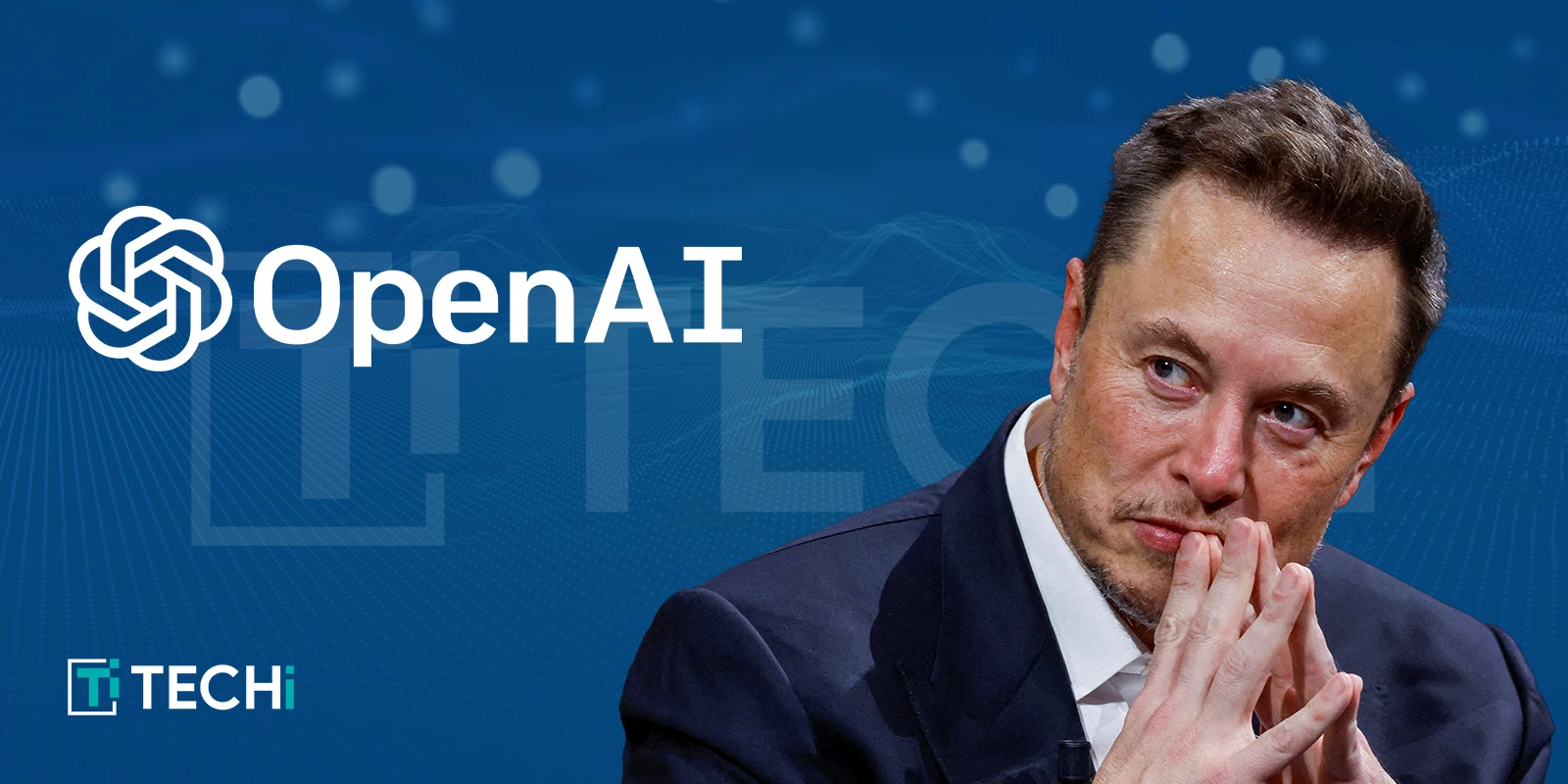
Elon Musk’s $97.4B Bid for OpenAI Sparks Controversy and Industry Shockwaves

Artificial intelligence is on its way to an advanced level day by day. Speaking of advanced, there can be none more audacious than Musk’s new initiative. He is making an incredulous $97.4 billion bid for OpenAI. This stirred up the tech industry with shock waves and the rest of the tech world is understandably confused, seeing as how OpenAI’s board states that it has not received a formal offer.

The feud between Elon Musk and OpenAI has taken another turn this week, as sources reveal the OpenAI board has yet to receive a formal takeover offer by the billionaire consortium. However, Musk’s lawyers assert that the offer was sent, and OpenAI stands firm that the nonprofit operating ChatGPT is not for sale.

The Bid:

The day after Musk publicly made his offer of $97.4 billion to buy OpenAI, doubts remained as to whether the board has even seen it or not. An anonymous source close to the situation alleged that OpenAI’s board has not received a formal offer, contradicting claims made by Musk’s attorney, Marc Toberoff. Toberoff asserts that a bid in the form of a four-page Letter of Intent was sent via email to OpenAI’s outside counsel at Wachtell, Lipton, Rosen & Katz. The law firm, however, has yet to confirm or deny receipt of the document. Toberoff said, “The bid – attached to an email – was in the form of a detailed four-page Letter of Intent to purchase OpenAI’s assets, signed by Musk and other investors and addressed to the board”. He further emphasized, referring to OpenAI’s CEO, “Whether Sam Altman chose to provide or withhold this from OpenAI’s other Board members is outside of our control”.

OpenAI CEO Sam Altman fiercely refuted Musk’s proposal. Addressing the audience at an AI summit in Paris, Altman dismissed the bid as “ridiculous,” arguing that OpenAI’s nonprofit side is not for sale. Altman said, referring to Musk, “The Company is not for sale. It’s another one of his tactics to try to mess with us”. This suggested that Musk’s bid was more for disruption than legitimate acquisition.

OpenAI’s Transformation:

Co-organized by Musk, OpenAI was inaugurated in 2015, a non-profit with the mission of being engaged in enlightened development of AI. Musk parted ways from the company because of disagreement over the vision and funding mechanisms. Since then, OpenAI has grown into one of the most prestigious destinations in AI, raising billions in its for-profit transformation.

OpenAI now finds itself in a maze of legal and regulatory cobwebs as it seeks to raise $40 billion while moving from the status of a non-profit to a capped-profit one. The attorney general of Delaware, Kathy Jennings, is looking into whether or not OpenAI’s transformation into a profit-oriented organization fits the aim for charitable operation it was designed for, thus preventing the current leadership from pursuing commercial objectives instead of benefitting the general public. She said, “I am reviewing OpenAI’s proposed changes to ensure the company is adhering to its specific charitable purposes for the benefit of the public beneficiaries, as opposed to the commercial or private interests of OpenAI’s directors or partners.”

Meanwhile, Musk’s startup is establishing its own AI project through promoting xAI as a competitor to OpenAI. The recent attempt to acquire OpenAI now throws a wrench into ongoing discussions on OpenAI’s valuation and fair market value for assets held by the nonprofit.

Challenges and Market Implications:

Legal experts remained certain that Musk’s offer would indirectly create an asset price for OpenAI’s nonprofit status. Robert Weissman, Co-President of consumer rights group, Public Citizen, pointed out that regulators would be obliged to ensure that any dismantling of these assets takes place at fair market value should OpenAI’s nonprofit entity decide to obtain control of the process. Weissman said, “It does help set a price point for the thinking about the valuation of the nonprofit assets. If it were to occur as proposed, the regulators have a duty to ensure that if there’s a selloff of assets to a for-profit entity, that fair market value is obtained.”

In the meantime, amidst the present volatility, OpenAI is put in a situation to get funding for financing and push AI research forward. Right now, Altman’s message to Musk is definitely no offers whatsoever for the purchase of OpenAI, regardless of whatever price it puts on the table.

Musk sees himself as the rightful steward of AI’s future, while OpenAI stands firm on independence and funding for future progress. Whether this standoff escalates into legal battles, under regulatory scrutiny, or with another surprising turn remains to be seen. One thing is for sure, the future of AI is equally about corporate power plays as technological breakthroughs.

Read More: OpenAI Hunts for U.S. Sites to Build Trump-Backed ‘Stargate’ AI Superhub

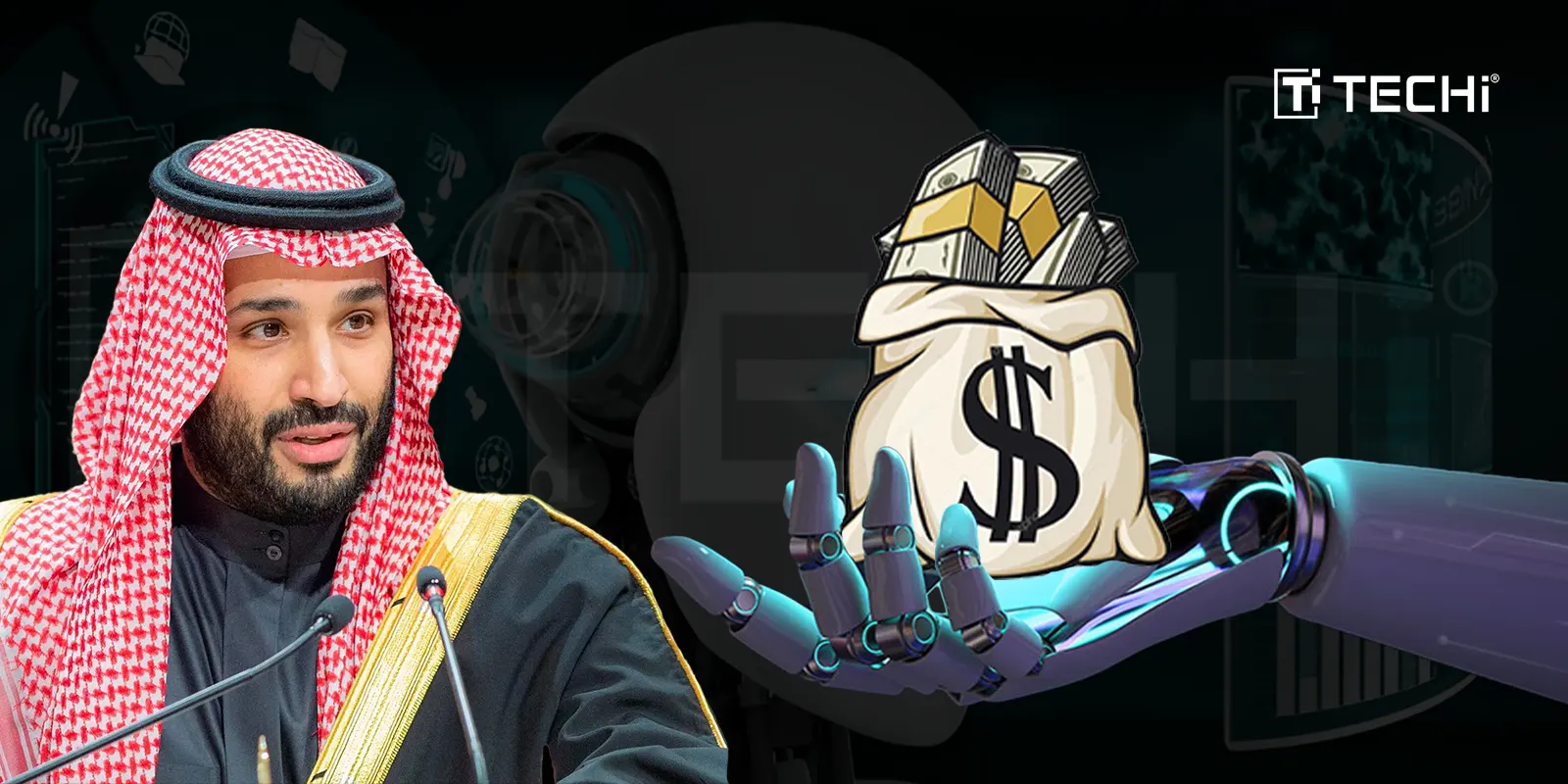
Saudi Arabia’s Grand Vision at Leap 2025; a $15 Billion Plan for AI Leadership

AI has come a long way, from being merely a figment of imagination in the minds of science fiction writers, it has translated to something real in today’s economies and industries, where billion dollar headlines are created. With this, Saudi Arabia upped its stakes by $15 billion in AI, underlining its efforts to establish itself among the major players in the global technology arena. More profoundly than the showcase of such investments, the questions raised at the LEAP 2025 tech show is whether AI is indeed a tool for persistence in the human condition or whether we are on the verge of some identity crisis where AI might know us better than we know ourselves?

For more than a decade, Leap 2025 has served as the Saudi capital city’s stage for the performance of advertisements and arguments related to artificial intelligence investment. Building projects worth about $15 billion have been announced by the kingdom yet again as part of its AI investment promising Leap 2025 tech show. In the last two years, AI has grown so much, almost like one step out of fiction that the next step seems like an inevitable focus on agentive AIs, that is, an artificial intelligence operating in the background to improve human output. Still, with advancements, comes the erosion of freedom and autonomy, possible cloning of identities, as well as disruption of society.

Saudi Arabia’s Vision 2030:

As for the announcement of investment in AI, the Saudi Vision 2030 constitutes a long-term economic strategy that would steer the kingdom away from dependence on oil and broaden its scope into technological improvement. AI is therefore earmarked as a prime theme with good discussion at LEAP 2025 on its applications as well as future developments. Other significant AI Investments include a $1.5 billion pact between Groq, the provider of AI infrastructure, and Aramco Digital to enhance AI-powered inference infrastructure and cloud computing, along with a $2 billion agreement between Saudi manufacturing conglomerate ALAT and Lenovo to create an advanced manufacturing center for AI and robotics, an expansion by Google in AI-backed digital infrastructure and new computing cluster, and an ALLaM, Arabic LLM launched by Qualcomm on Qualcomm Cloud AI.

The event also marks Saudi Arabia’s investment since 2022 into technology infrastructure projects, amounting to $42.4 billion, which includes; investment of Databricks of $300 million in AI tools development for development of PaaS, SambaNova committed $140 million to build advanced AI infrastructure, Salesforce invests $500 million in Hyperforce enhancement and the development of regional cloud, and Tencent Cloud allocates $150 million to build AI empower cloud regions in the Middle East.

Agentic AI’s Future and Risks:

A definite theme throughout Leap 2025 seemed to be the transition of artificial intelligence from simple user interplay to agentic AI, where AI becomes the almost invisible assistant who works for the individual. Yaser Al-Onaizan, CEO of the National Center for AI in the Saudi Data and AI Authority (SDAIA), elaborated on the transition and said, “The promise of AI is that it will be in everything that we do and we touch every day. It needs to be invisible. It cannot be in your face – it should be listening to you, understanding you and doing things based on your opinion”.

He went on to say that next-generation AI models would do more than just answer queries. They would plan and act without requiring anything more than tacit user consent to book flights or make reservations.

Although the possibilities of AI seem boundless, the experts at the conference also expressed some concerns regarding the risks it poses. Lambert Hogenhout, Chief of data, analytics, and emerging technologies with the United Nations, drew attention to threats against human independence posed by AI. He warned that unchecked AI could contribute to fraud, convolute identity determination, and corrode human-purpose connection to society. He stated, “We want to make sure AI increases living connections, that we are not eliminated. That it makes a good society. The society where a number of people are excluded is not going to work. It will create problems.”

Productivity and Innovation in AI:

Another main point was how firms should best be onward to the AI industry. Cohere’s Canadian Generation AI CEO, Aidan Gomez, compared generative AI to acting as CPUs, stating that generative AI is valuable only for how it integrates and actually is implemented for business specifications. He said, “A generative model is kind of like a CPU – it’s a general piece of technology. You could deploy it inside any vertical for any purpose, like a CPU. But, in and of itself, just owning a CPU isn’t valuable. It’s what you build with it that is valuable. So, for that piece, you do have to be technical. You need to be a developer, to be able to build something on top of this model to create value on the other side.”

Saudi Arabia’s $15 billion investment in AI is a key sign of the country’s desire to become a progressive world leader in AI. Discussions at Leap 2025 pointed out AI’s enormous potential to drive productivity and the need to address pertinent ethical issues. With Vision 2030 as the kingdom’s inspiration, harnessing AI for development versus human autonomy will be the key counterpoint before the kingdom’s decision makers, businesses, and society.

Read More: UK Minister Urges Western AI Leadership to Dominate AI Development
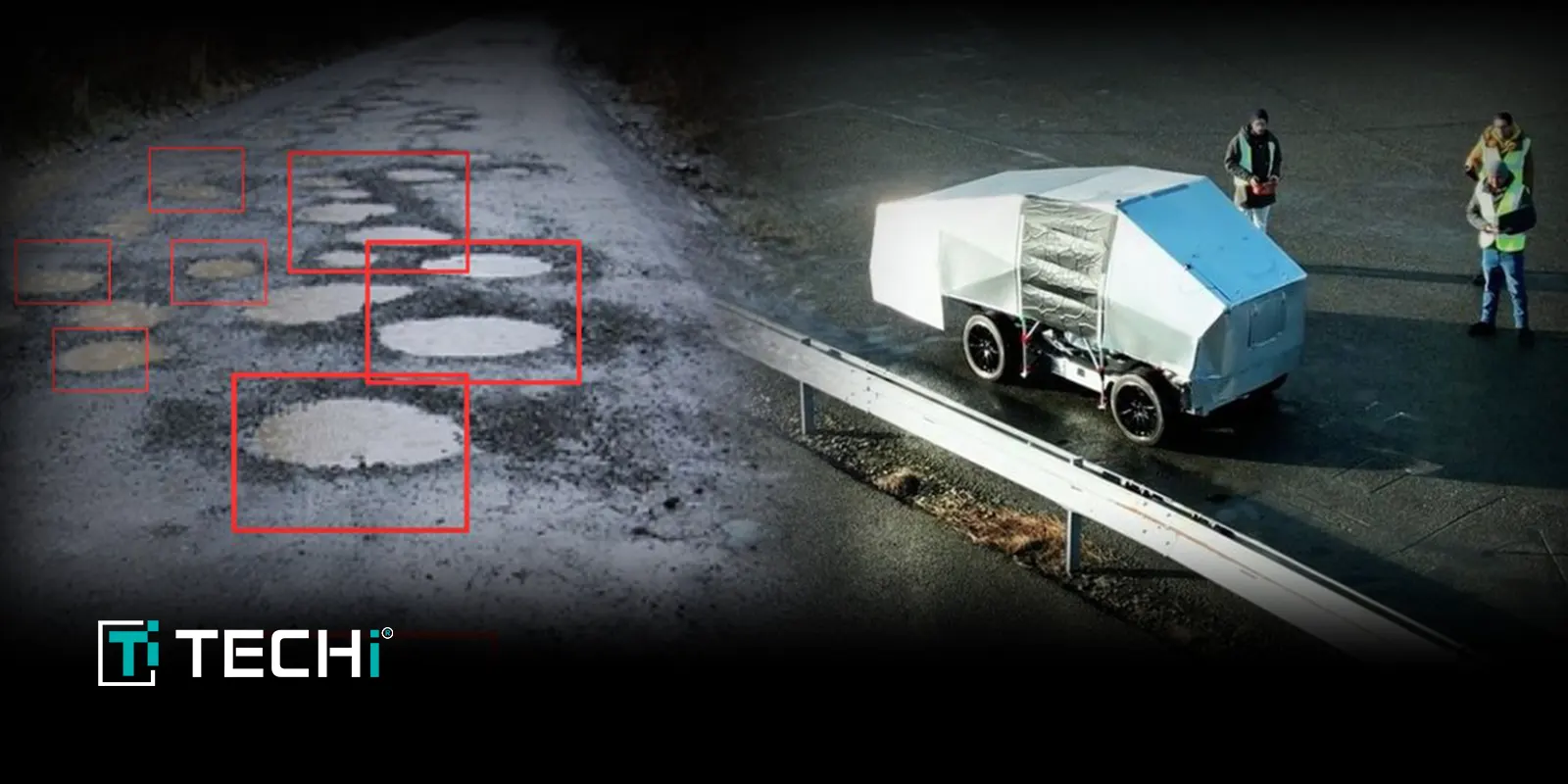
Artificial intelligence to improve Surrey’s Pothole Detection and Road Repairs

AIs’ role in Road Maintenance:

Artificial intelligence (AI) is being used by Surrey County Council to address the major issue of road maintenance. The cameras installed in highway vehicles, computer vision cameras, will be used by the council to automatically detect and record potholes, improving the efficiency of repair procedures. Along with detecting other road imperfections like potholes, the AI will also be able to identify overgrown vegetation and missed warning signs, setting the stage for future improvements. This innovative measure ensures that highway inspectors are no longer physically present on the road, making it safer for staff. Regular monitoring will be implemented to detect potholes that don’t require immediate repairs, ensuring timely response and making our roads safer with better control, according to the council. According to Matt Furniss, the council’s highways cabinet member, nearly £300 million will be spent on improving Surrey’s roads by 2028. Their teams will resurface 100 miles of roads and 30 miles in pavements, marking the first-ever effort in road maintenance in the region.

Read More: AI Benchmarking Group Faces Backlash Over Hidden OpenAI Funding

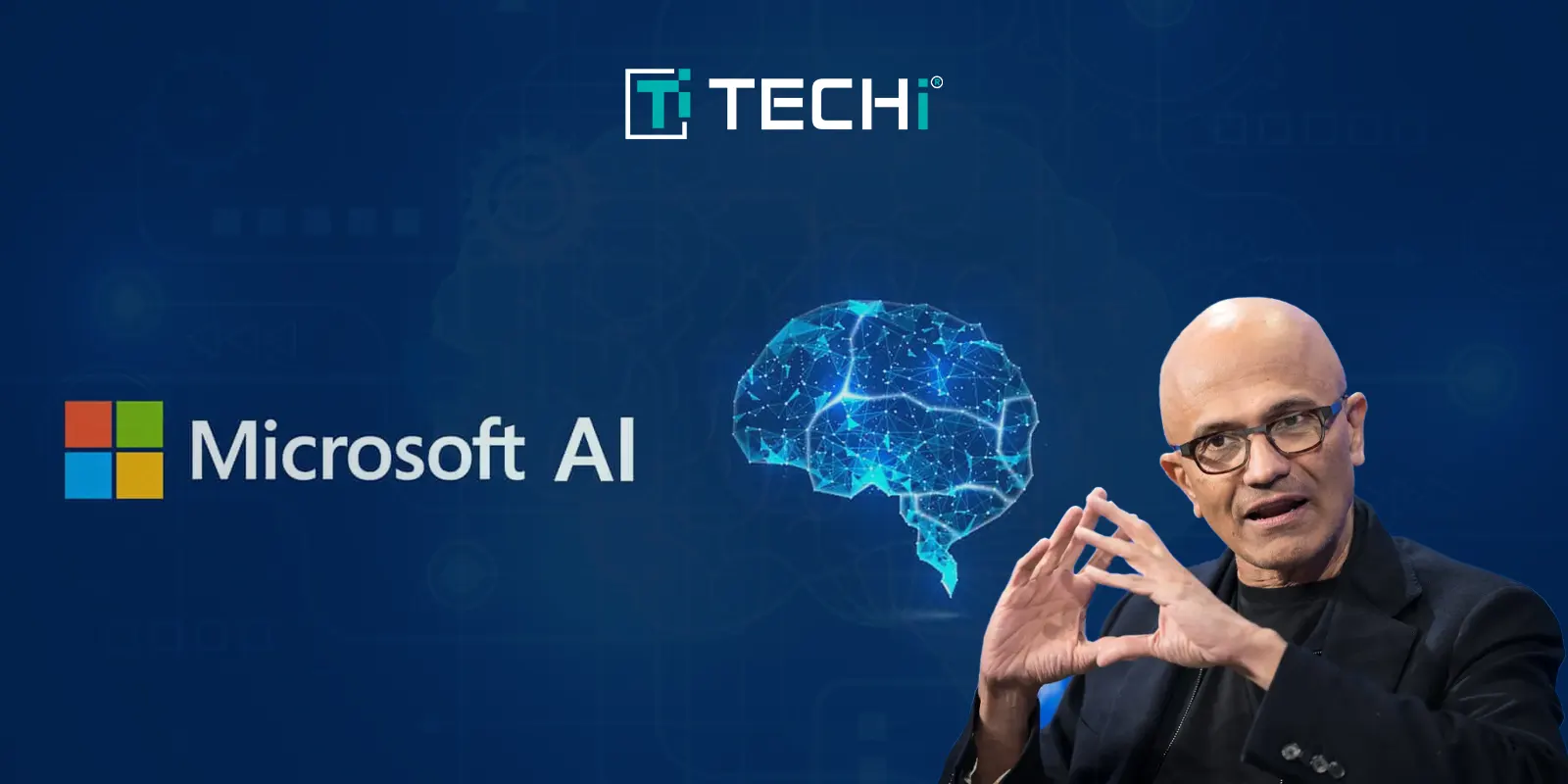
Microsoft Sets Up CoreAI Division for AI Development

Establishment of CoreAI

Microsoft announced a new engineering division, CoreAI – Platform and Tools to accelerate AI infrastructure and software development. The new body epitomizes a renewed focus within the company on AI through all platforms.

Headship and Structure

Jay Parikh, ex-VP at Meta, will head the division, which includes vast experience in data centre operations and technical infrastructure. He will report to Satya Nadella directly, as he has just joined Microsoft. CoreAI embraces teams from both Microsoft Developer Division and AI Platform, plus some portions of the Office of the CTO.

Microsoft’s AI Vision

In their internal memo, Nadella spoke about the company’s efforts to build “model forward” applications that address changes to the various categories of technology. Above all, this attests that the company ceaselessly aims to hold the lead in innovative advancement in artificial intelligence.

Strategic Impact

CoreAI is such a move that positions Microsoft to liquidate both its areas of AI tools and other assets in cloud computing and advanced applications. Restructuring ensures that staying on top of AI remains a high priority for the company overall so that it can keep up with developments at such a quick pace.

click here to read: Microsoft Files Suit Against Hundreds for Abuse of Az