TikTok (with Douyin) Becomes First Non-Gaming App to Surpass $6B Revenue

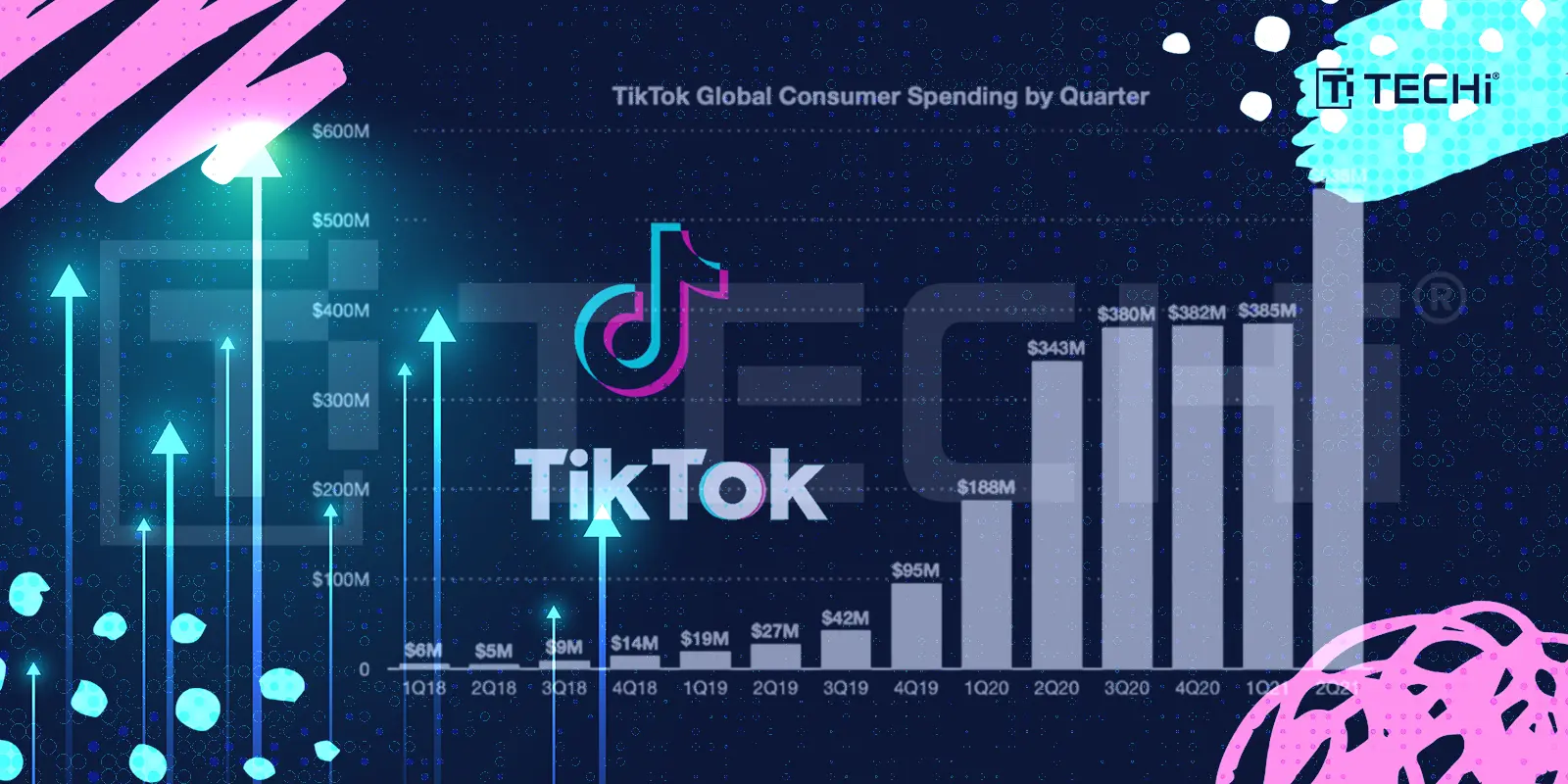
TikTok, the virtual stage where blooming viral trends and some dance moves dare to question cultural viability, has now dipped its toe into history. Along with its Chinese counterpart, Douyin, it made headlines by becoming the first non-gaming app to generate a staggering $6 billion in revenue from in-app purchases in the year 2024. As per the report of Sensor Tower on App Intelligence, it is a new record for TikTok to have grossed $1.9 billion in IAP revenue in the fourth quarter of last year. If any social media has done a definite financial mic drop, that would be it.

TikTok’s Revenue and Other Apps:

From all the non-gaming apps, only YouTube and Google One can feasibly provoke TikTok’s Q4 revenue for a full calendar year. In any case, TikTok’s annual IAP revenue surpassed all other competitors and, in fact, is more than double the revenue of any other app or game in 2024. MONOPOLY GO!, TikTok’s closest competitor, could only bag $2.6 billion in the past year in IAP revenue, thus coming in a very distant second.

TikTok has had a successful economic run, starting with a sudden year on year rise from $4.4 billion in 2023 to a new high of $6 billion in 2024. The app did seal the second most downloaded app position in Q4 2024, with Instagram taking the top slot. WhatsApp, Facebook, and Temu for e-commerce made up the remainder of the top five.

TikTok-Douyin Comparison:

Money makes the direct comparison between TikTok and other apps inherently flawed in itself because of revenue accounts being pushed for Douyin, the Chinese counterpart. ByteDance owns the two platforms and follow relatively similar short-form video models. However, they serve entirely different markets, Douyin implements a tighter integration with e-commerce, heavy regulation with respect to Chinese authorities, while TikTok contains various forms of content in an audience oriented manner across the globe.

Challenges for TikTok’s Market:

In the U.S. regulatory scrutiny, there have been some attempts to take TikTok down from app stores for national security purposes. However, there was a 75-day delay following an executive order from Donald Trump, during which the ban could potentially be extended. TikTok has left an economically permanent mark through thick and thin, especially with regard to the creator economy. Users can buy virtual gifts for their favorite creators, who, in turn, may convert them into real currency. TikTok will keep 50% of the cash from these transactions, where the transactions go back to its revenue in the momentum.

TikTok has secured its way as a giant in digital entertainment and social media. With in-app revenue amounting to $6 billion and a catch on global culture that no other platform can rival, TikTok creates a financial dominance that is impossible to hide. Its ability to monetize virtual gifts, engage users, and power the economy of creators has cemented its place as the unstoppable force that it is, notwithstanding the restrictions and competition in social media. Whether by means of viral dance challenges or shopping via the app, TikTok is not just a social media app, it is an economic powerhouse that is redefining digital entertainment.

Read More: What’s Next for TikTok in the U.S.? Billion-Dollar Bids and High-Stakes Battles
Automattic’s Beeper Unveils Redesigned Desktop and iOS Messaging Apps Post-Merger

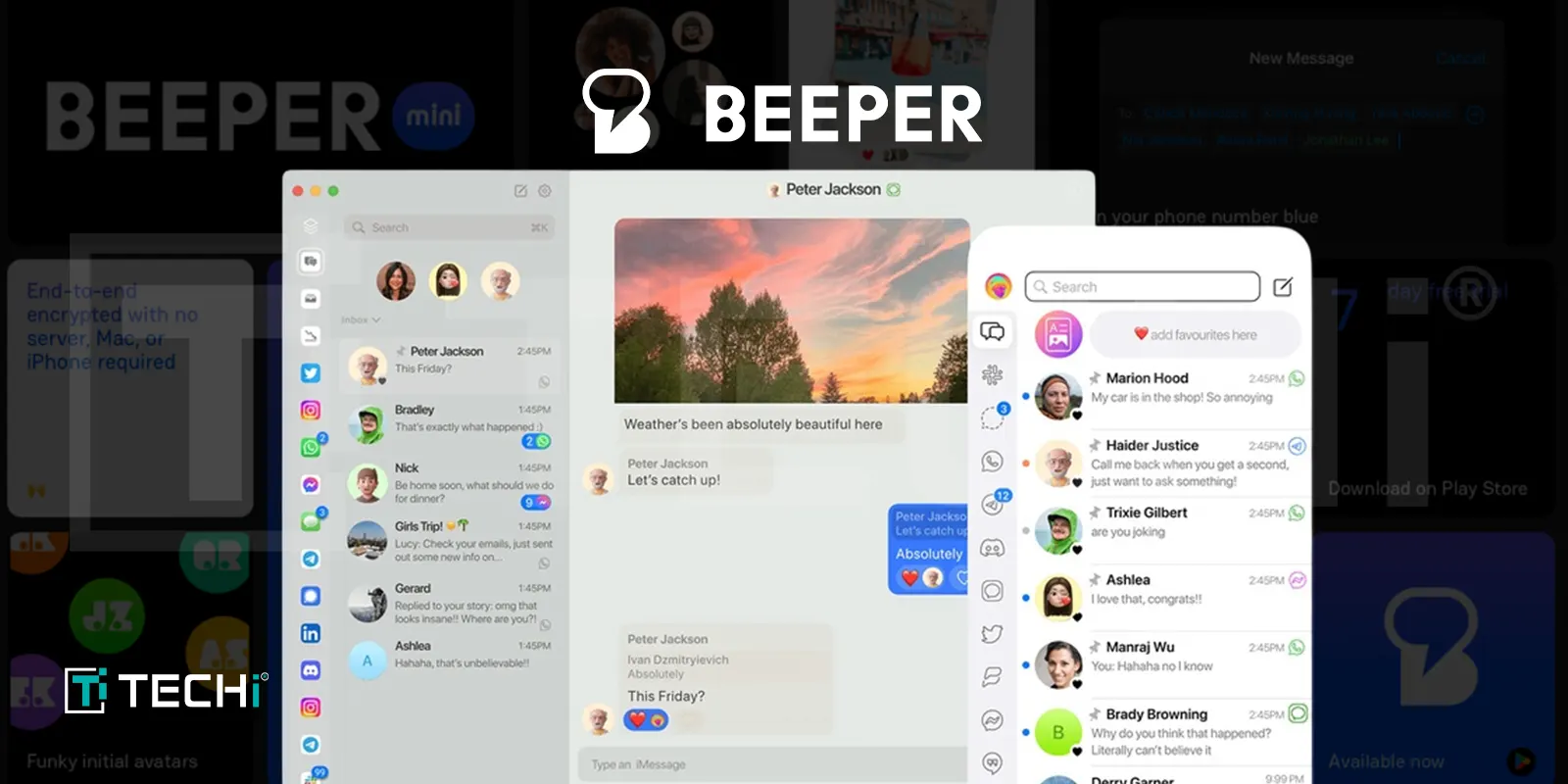
Automattic, widely recognized as the parent company of WordPress.com, has made notable progress in redefining the multi-platform messaging space following its $125 million acquisition of Beeper last year. Now integrated with Automattic’s earlier acquisition, Texts.com, Beeper has just announced the beta launch of its newly redesigned messaging apps for desktop and iOS users, marking the first significant update since the merger. In an official blog post, Beeper revealed that the new desktop application leverages the robust underlying technology originally developed by Texts.com. At the same time, the iOS app was completely rebuilt from the ground up, ensuring an optimized mobile experience. Early tests indicate that both apps offer significant performance improvements, including enhanced speed and reduced battery consumption.

Highlighting the transition strategy, Kishan Bagaria, founder of Texts.com, assured users via his recent update on X (formerly Twitter) that while the existing Beeper application remains accessible, the company will eventually introduce a seamless migration path to the redesigned apps. This migration aims to provide users ample time to adapt comfortably, preventing disruptions in their messaging experience. One of the key concerns users often express regarding unified messaging platforms relates to privacy and security. Addressing this, Beeper’s upcoming versions will shift from cloud-based storage to a more secure on-device data storage model. Furthermore, the new apps will feature on-device encryption, significantly enhancing user privacy and data security. Additionally, users can look forward to a multi-account feature, allowing them to manage multiple accounts for the same messaging service effortlessly.

Interestingly, Bagaria teased another exciting feature in the pipeline: the future Mac app will enable direct sending and receiving of Apple’s iMessage. This anticipated feature could be a game changer, potentially attracting a broader user base looking for seamless integration between popular messaging platforms. Beeper’s original founder, Eric Migicovsky, known for launching the Pebble smartwatch and serving as a partner at Y-Combinator, initially headed Automattic’s messaging strategy after the acquisition. However, in a surprising move last month, Migicovsky announced he would return his focus to reviving Pebble, signaling Automattic’s confidence in the Beeper and Texts.com teams to carry forward the merged product vision.

Automattic’s investment into unified messaging reflects its broader strategy of enhancing productivity and connectivity tools. As users increasingly prefer integrated platforms that consolidate communications, Beeper’s refreshed approach positions it strategically in this competitive market, aligning perfectly with Automattic’s expansive vision. By significantly prioritizing user experience and security, Beeper’s newly redesigned apps represent not just an evolution of its own platform but also a promising development in the broader messaging landscape, setting higher expectations for future unified communication solutions.

Read More: Anthropic Nears $3.5 Billion Fundraising as AI Investment Surges

What’s Next for TikTok in the U.S.? Billion-Dollar Bids and High-Stakes Battles
Fate has not been kind to TikTok in US lately, with tantrums of a legal battle between political turns and the suffering caused by billion-dollar bidding processes on a daily basis. One day it is banned, and the next day it is back with presidential blessings. Here it comes again, several of the high-profile investors take a stab at delving their fingers into the viral platform, the question remains about who is going to own a platform that creates trends, fuels influencer careers and keeps millions scrolling at 2 AM? As the battle heats up over TikTok, let’s break down what’s been going on so far and who has eyes on buying it.

TikTok’s Ongoing Controversy:

The last four years have been a storm of discontent for TikTok, which has had to crawl down in the U.S with a strong debate. The site is owned by a Chinese company, ByteDance, and this has raised worries in this country that the Chinese government might gain access to its users’ data. This has led to many legal actions, executive orders, and now, perhaps, the possible forced sale of TikTok’s U.S operations. Adding to the uncertain atmosphere, TikTok suffered a minor outage in the U.S last month leaving millions of users in suspense. The app was restored very quickly but reminded users about how fragile its hold exists in the country.

According to CFRA Research, Senior Vice President Angelo Zino, the value of TikTok’s U.S business could grow beyond $60 billion, with the demand from the U.S government to sell or ban TikTok. There have been several buyers emerging to snatch this most effective social media platform in the world.

TikTok’s Ban:

To make sense of that very uncertain future now with TikTok, we must revisit critical events in history that have forged its bumpy relationship with the U.S government. In August of 2020, President Donald Trump signed an executive order prohibiting transactions with ByteDance, virtually seeking to ban the app from usage within the U.S. The administration pushed for a forced sale of TikTok’s U.S operations, with Microsoft, Oracle, and Walmart lining up as potential buyers. A U.S judge temporarily blocked Trump’s executive order, allowing TikTok to continue its operations while legal proceedings were taking place.

Bipartisan efforts to address National Security concerns related to TikTok continued under former President Joe Biden. In April 2024, the U.S House of Representatives passed legislation that directly targeted TikTok, it later made its way through the Senate. President Biden signed the bill into law, making mandatory that TikTok either sell itself or be prohibited in the country.

In return, TikTok sued the U.S government, claiming that the ban was unconstitutional and a violation of First Amendment rights. The U.S Supreme Court upheld the Protecting Americans from Foreign Adversary Controlled Applications Act (PAFACA), popularly named as “the TikTok ban.

Trump’s Reversal and Temporary Extension:

Astonishingly, Trump submitted a court statement countering the expected ban on TikTok, suggesting that he wanted to find a way to keep TikTok in the U.S. In the aftermath of the Supreme Court’s ruling, TikTok swiftly shut down for a brief period in the U.S and it made its comeback within another less than 12-hour period with a statement that, “As a result of President Trump’s efforts, TikTok is back in the U.S”.

On January 20, Trump signed an executive order delaying the ban for 75 days, which will give TikTok additional time to sell a stake or sign some kind of agreement. Trump has proposed a 50-50 ownership deal between ByteDance and a U.S company, although nothing has been finalized yet.

Potential Buyers for TikTok in US:

Clearly, some potential investors and companies have emerged as prospective buyers of TikTok’s U.S operations. Here is who is contesting for the ownership;

1. The People’s Bid for TikTok:

Organized by Project Liberty founder Frank McCourt, The People’s Bid seeks to promote open-source initiatives that privilege privacy and data control. Kevin O’Leary, an investor and television personality, joined The People’s Bid on 6th January and has previously signaled interest in buying TikTok for $20 billion. Tim Berners-Lee, Prolific inventor of the World Wide Web said in a statement that, “users should have an ability to control their own data”, is also interested in bidding for it along with David Clark, a senior research scientist at MIT Computer Science and Artificial Intelligence Laboratory.

2. American Investor Consortium:

Headed by Jesse Tinsley, CEO of Employer.com, this consortium recently issued an all-cash $30 billion bid for TikTok U.S operation and the participants include: David Baszucki, Co-founder and CEO of Roblox, Nathan McCauley, CEO of crypto platform Anchorage Digital, and Jimmy Donaldson (MrBeast), the famous YouTube content creator.

3. Other Interested Buyers:

Other interested buyers are; Bobby Kotick, Former Activision CEO who is likely looking at how he can integrate TikTok into gaming. Steven Mnuchin, has come back into the discussion after being the U.S Treasury Secretary under Trump. Oracle has tried to acquire TikTok in 2020, but co-founder Larry Ellison is said to still have an interest. Walmart expressed interest in 2020 and it could have value in TikTok’s e-commerce potential. Microsoft, formerly a top player in 2020 who renewed interest according to reports. Rumble, the alternative video-sharing platform, which wants to purchase TikTok and be its cloud technology partner with it and Perplexity AI also submitted its bid last month.

TikTok’s Future in US:

The future of TikTok in the U.S will soon be determined by the months coming ahead as to whether the app will continue with new ownership or face another legal battle. The outcome might reshape how social media is being used by millions of creators and businesses and will be setting an example on how the U.S would treat digitally owned foreign platforms. What is for sure is that TikTok will shape not only the future of social media but also the broader conversation regarding data privacy, tech regulations, and digital influence. 

Read More: TikTok Returns to App Stores in the US