Apple’s M4 MacBook Air Sticks to a Safe Upgrade with Minor Enhancements

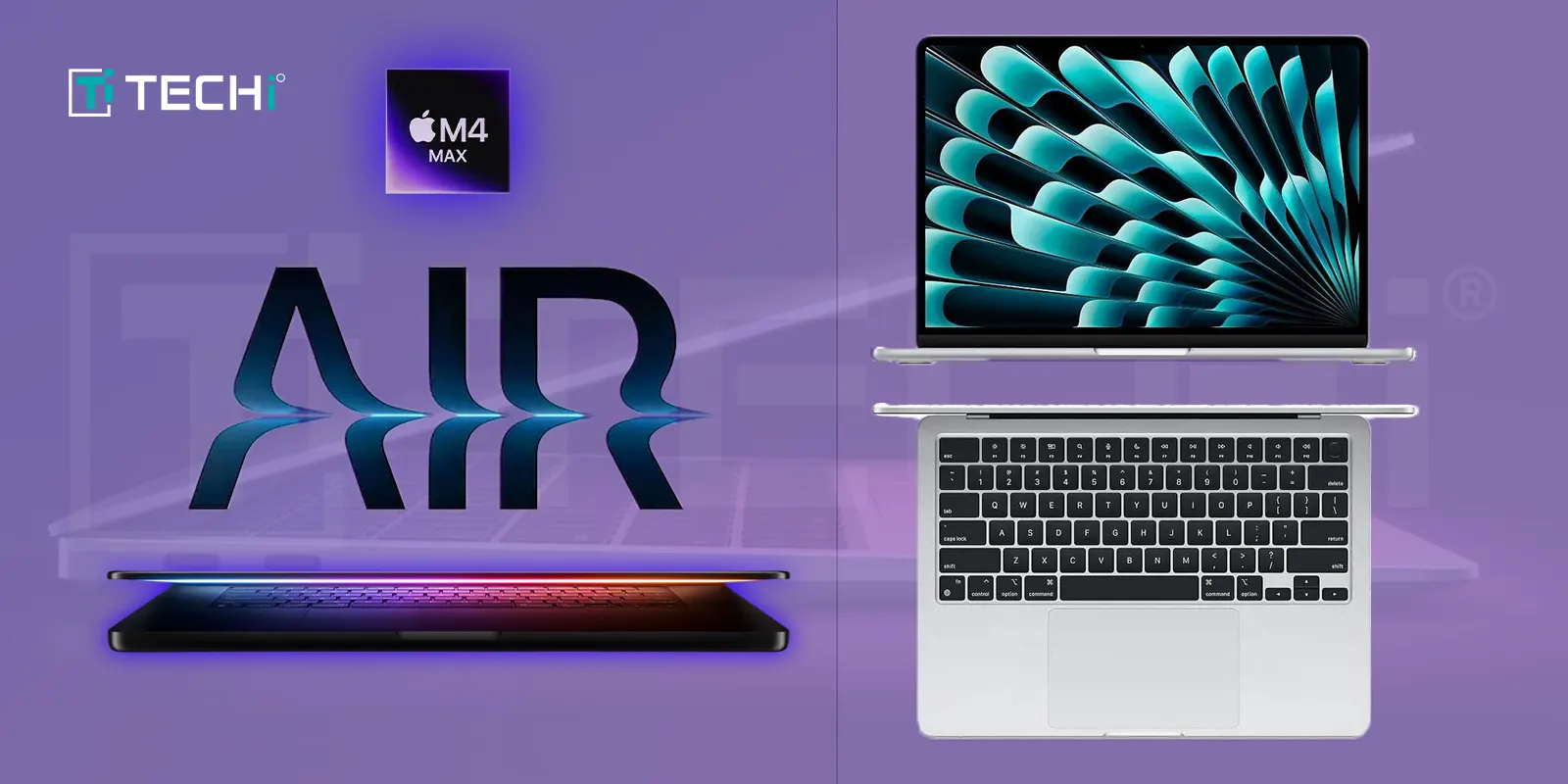
Apple has always been a company that walks very lightly on risks, and this is evident even in the M4 MacBook Air. MacBook Air does not employ a radical redesign or groundbreaking innovation; it is more focused on enhancing rather than reinventing. The M4 MacBook Air has been introduced by Apple, representing a careful yet strategic modification of the popular consumer laptop line. The M4 MacBook Air features many noteworthy upgrades, but it is essentially just an evolved version of its predecessor, as this cautious upgrade is an excellent way to maintain sales for Apple. The MacBook Air remains a dependable companion for users who demand performance, portability, and price, thanks to its continued design alongside these minor upgrades.

Features of MacBook Air M4:

The new MacBook Air comes with a few very nice upgrades, which include:

  • The brand-new M4 chipset has improved performance and efficiency.
  • 16 GB of RAM has been made available as standard across all models, doubling the base models’ capacity from before.
  • Support for two external displays, a very long-standing limitation for the more power users.
  • The price reduction is $999 for the 13-inch model and $1,199 for the 15-inch.
  • The improved resolution of the built-in camera, which has up to 12 megapixels, now with CenterStage, will allow automatic framing adjustment.

Though these upgrades are to be appreciated, they are not completely new to Apple’s ecosystem. The RAM bump fits in with what we see in iPhone 16 series stocks, whereas external display support brings the MacBook Air closer to the MacBook Pro lineup. The 12 MP Webcam with CenterStage will make calls better because it keeps them person-centred. The MacBook Air’s decision to go with the M4 chip was introduced in May 2024, but it may suffer a holdup when the anticipated M5 comes in at the Worldwide Developers Conference (WWDC) 2025.

New Within the MacBook Air M4:

It’s faster and sleeker, and it’s still a MacBook Air. Beyond these improvements, the MacBook Air makes no major changes. Like existing models, it is still limited to just two Thunderbolt 4 ports on the left side, which could be a nuisance for users who prefer to use multiple attachments simultaneously. The general design is recognizable, seemingly without leaving its previous predecessors, but with the new Sky Blue colour, Apple adds a unique aesthetic change to the collection.

While the MacBook Pro is constantly reinventing itself with additional innovations, the MacBook Air remains loyal to staying within itself, improving but not adjusting. Lower prices added RAM and dual external monitor support might make this a competitive consumer laptop. In the world of casual use, it still remains an A-class ultraportable laptop, but the update may seem slightly unimpressive to hardcore early adopters. Those who hoped for shocking advanced features in this laptop market would find this a safer bet than a bold move. With the M5 chip expected next year, Apple may regret its discreet approach even sooner.
Samsung Expands AI-Powered Galaxy A-Series with Three New 5G Models

The two major players in mobile technology duel – Samsung and Apple are competing with each other for supremacy in AI and mobile technology. Samsung and Apple have been among the leaders in the world for mobile technology and both have made considerable steps in the AI-infused cellular phone market. With technology improving everyday, the mobiles prices have seen an upward trend in recent year. But lately, in surprising turn of event, a good trend has started, mobile companies are recognizing the potential in cheaper mobiles. Normally, you would associate Apple with expensive mobile iPhone models only. But recently, they launched a cheap AI-based iPhone 16e. Now, Samsung has also released three mobiles that have new AI features enabled.

Samsung’s AI-Powered A-Series

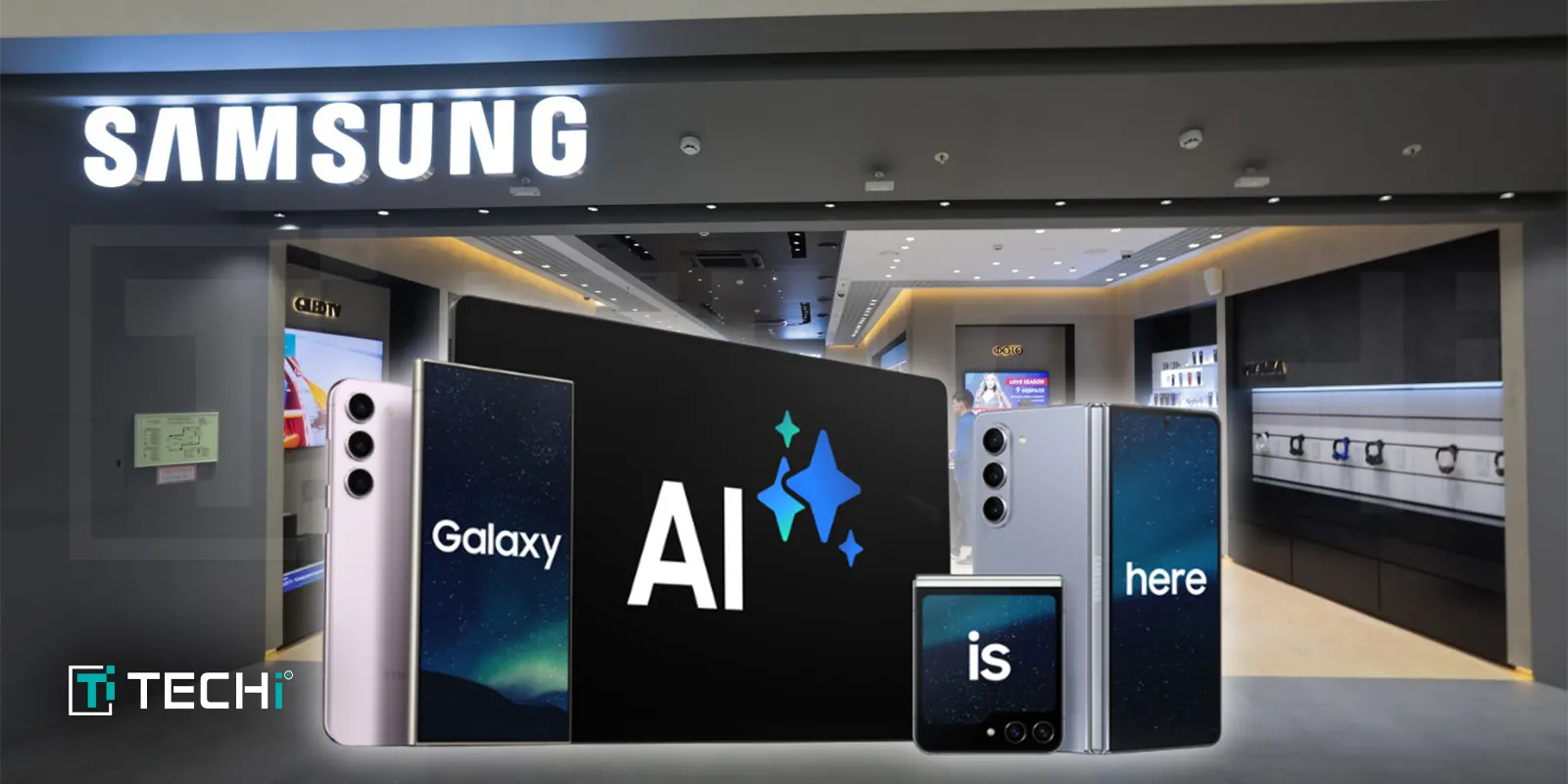
Samsung unveils of three AI-Powered models in their popular A-Series, a bold move towards competition. It comes days after Apple revealed its cheaper iPhone 16e. Samsung is leveraging its own AI capabilities along with Alphabet’s Google, which operates the Android AI Operating System used in Samsung mobiles. On the contrary, Apple is pursuing its own Apple Intelligence suite with other AI systems. There is Open AI’s ChatGPT and AI solutions from Alibaba, which Apple is reportedly adopting for its devices in the USA and China respectively.

Here’s a breakdown of Samsung’s new AI-powered A-Series models and their pricing:

  • Galaxy A26 is priced at US$299.99
  • Galaxy A36 comes at $400
  • Galaxy A56 is available for $500

The Future of AI in Smartphones

The way things are moving forward, we can expect more intelligent features, more sophisticated personalization from all mobile companies worldwide. With the intense competition in mobile AI technology, we expect it will turn mobiles into intelligent assistants that will help with day-to-day activities of the people. This is a very good initiative, and people all over the world will benefit from the cheap prices, making AI more accessible to users. With the competition intensifying, we believe the next generation of mobile phones is very near. Soon, current mobiles will be a thing of the past, just as we now reminisce about the famous Nokia 3310.

Read More: Samsung Galaxy A56 Unveiled with AI Upgrades at a Budget-Friendly Price

Apple Introduces New Child Safety Features to Let Parents Control App Access

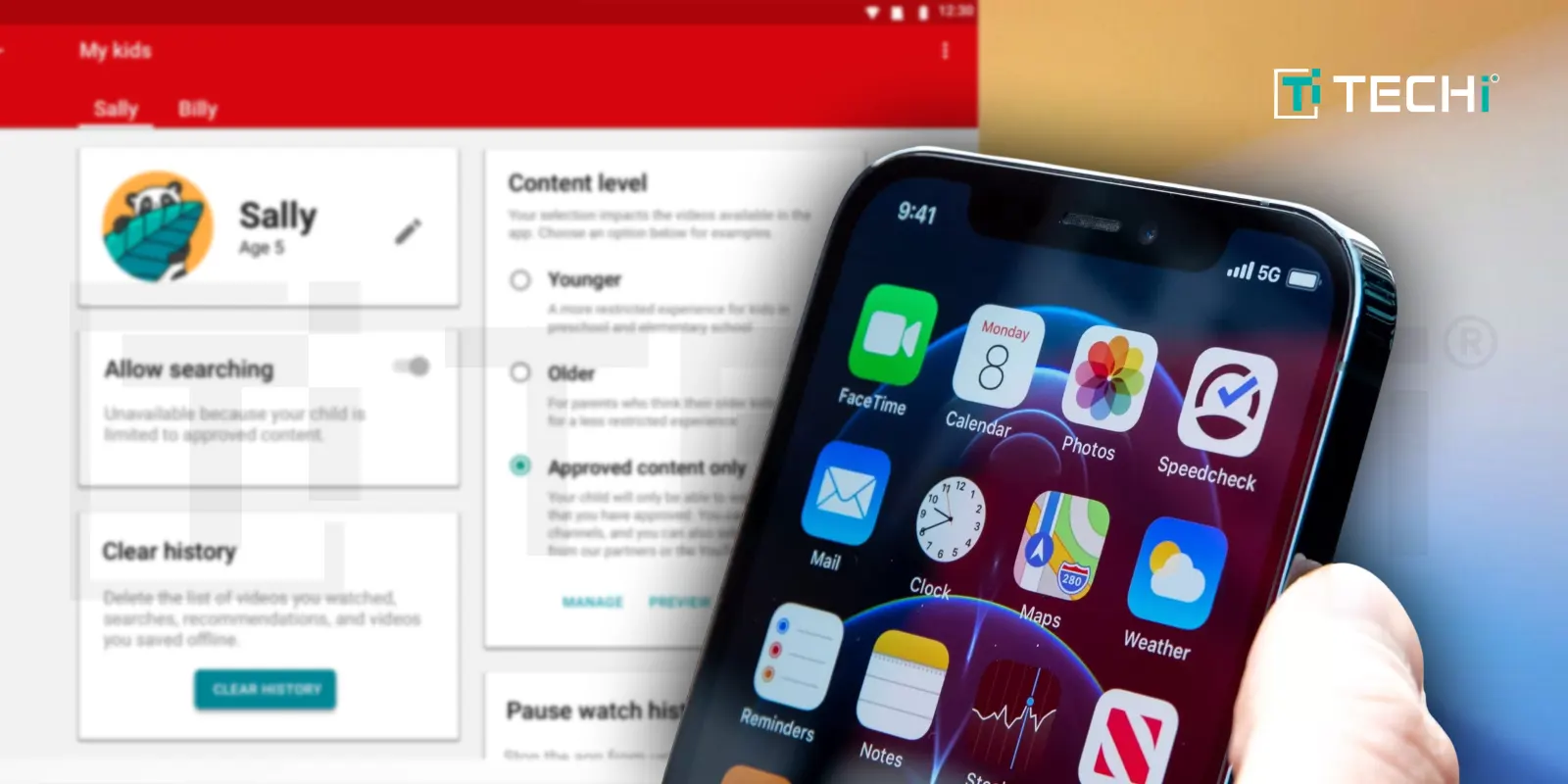
For years, Apple has positioned itself as a privacy-first company, ensuring that user data remains protected. However, with growing concerns over children’s digital safety and app access, the company is now rolling out new child safety features that aim to give parents greater control over their children’s online experiences.

Age-Sharing Feature for Safer App Experiences

Apple’s latest initiative introduces an age-sharing system, allowing parents to share their child’s age range with app developers. This feature ensures that children interact with age-appropriate content while maintaining privacy protections. Unlike direct age verification methods, which Apple has argued could compromise sensitive user information, this system will let developers access only generalised age data rather than specific birthdates. Parents will have full control over this feature, choosing whether to enable or disable age-sharing. Apple is positioning this as a middle-ground approach that balances child safety with user privacy—an issue that tech giants like Meta, Snap, and X have debated in recent years.

Revamped App Store Ratings & Content Visibility

Apple is also overhauling its App Store rating system to provide a more granular approach to age-based content restrictions. The updated system introduces a five-tier rating structure:

  • 4+
  • 9+
  • 13+
  • 16+
  • 18+

Additionally, developers will now be required to disclose whether their apps contain user-generated content or advertisements, helping parents make informed decisions about which apps are suitable for their children. Apple has also confirmed that apps with age ratings exceeding a child’s parental settings won’t appear in recommended sections of the App Store.

Simplified Child Account Setup & Age Correction

Recognizing that setting up child accounts has often been cumbersome, Apple is introducing a new streamlined setup process for Child Accounts. This includes the ability for parents to correct their child’s age if it was mistakenly entered during setup. This small but crucial update ensures that children’s accounts align with their actual age, allowing age-based restrictions to function properly.

Industry Reactions & Next Steps

Apple’s new child safety updates come as lawmakers and tech companies debate who should be responsible for enforcing age restrictions. Meta has previously pushed for OS-level age verification, while Apple has resisted such moves, citing privacy risks. Meta spokesperson Jamie Radice, in a statement to The Verge, acknowledged Apple’s new approach but emphasized that parents should have full control over their child’s app downloads, not just age-sharing settings. Apple has yet to provide a specific launch date, but the company confirmed that these child safety enhancements will roll out later this year. As online safety becomes an increasingly important discussion, Apple’s latest move signals an effort to provide more robust digital protections for children while upholding privacy standards.

Read More: Meta Fires 20 Employees for Leaking Confidential Information


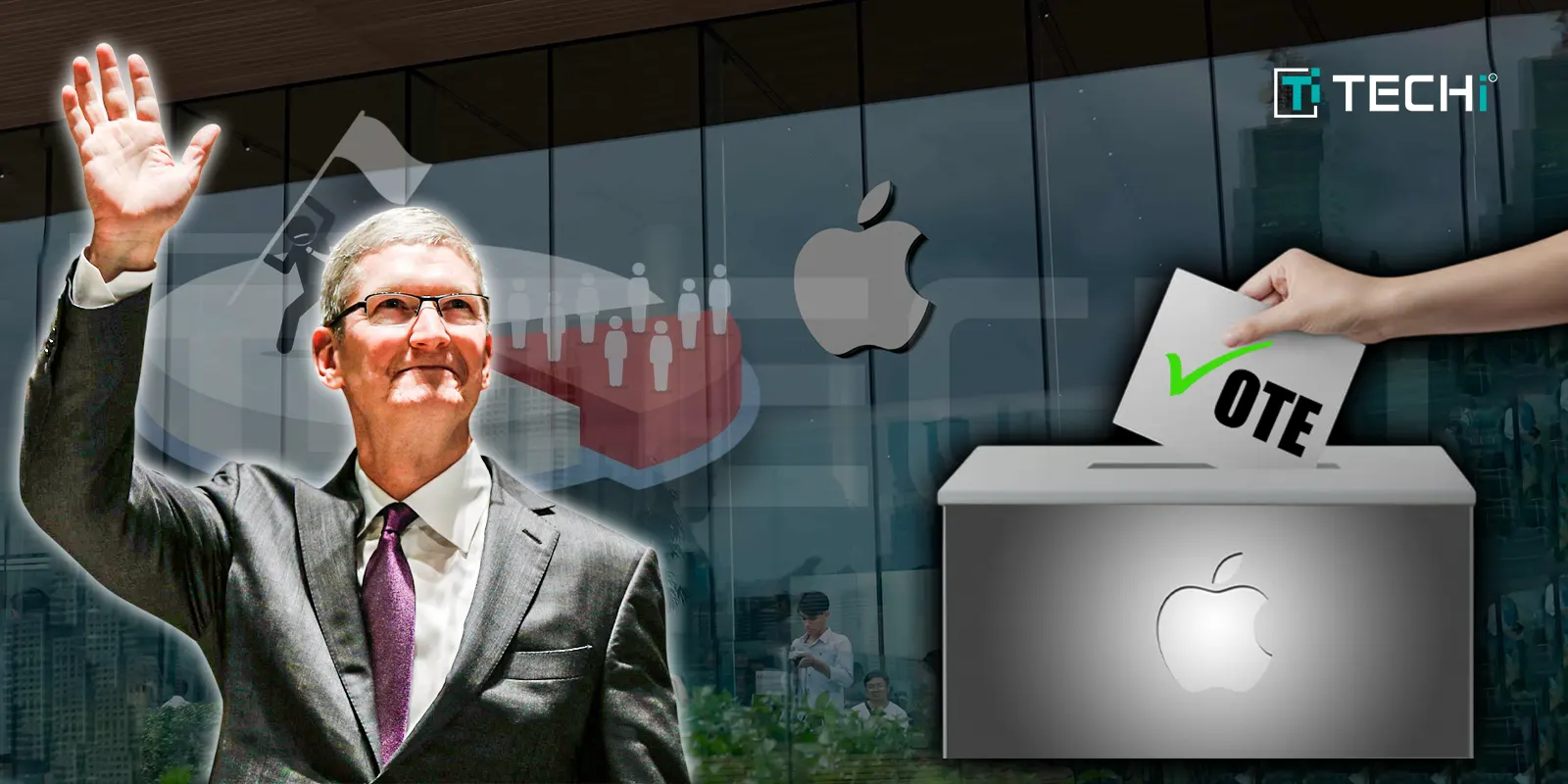
Apple Shareholders Uphold DEI Initiatives Amidst Conservative Opposition

In a corporate environment where policies move as quickly as software updates, Apple has maintained a stand on Diversity, Equity & Inclusion (DEI). A proposal aimed at essentially dismantling these efforts was rejected by shareholders in an overwhelming fashion, thereby confirming that the tech giant’s commitment to an inclusive workplace has not wavered. Apple’s landslide victory reinforces the notion that diversity is not just an aspirational ideal; rather, it is a pressing business imperative.

Apple Inc. shareholders voted to uphold the giant tech company’s DEI policies, an important victory for the company’s management. The vote at Apple’s annual shareholders’ meeting rejected a conservative proposal to dismantle the program. The results cast light on the ongoing debate over corporate DEI initiatives’ role and worth amid mounting political and legal scrutiny.

Corporate DEI Policies:

The National Center for Public Policy Research, a free-market think tank, shared the proposal called “Request to Cease DEI Efforts.” The supporters of the measure argued that Apple’s DEI policies would expose the company to an increasing number of discrimination lawsuits following recent changes in the law. Apple argued that it has in place active monitoring to reduce legal risk, emphasizing further that this proposal improperly restraints management’s ability to oversee corporate policy.

The shareholder vote was decisive, with 210.45 million votes cast in favor of the proposal and an immense 8.84 billion votes cast in opposition. This ringing defeat is evidence that investors continue to trust Apple’s commitment to defend DEI, while major companies like Meta have been reduced in their similar endeavours under political pressures.

Company’s Global DEI Initiatives and Approach:

Apple does provide diversity data about its employees, but it does not maintain official hiring quotas or targets. Instead, the company focuses on initiatives like its racial justice program, which funds historically Black colleges and universities in America. DEI efforts abroad include coding education for indigenous peoples in Mexico and partnering with local Aboriginal non-profits in Australia to pursue criminal justice reform.

Apple’s approach to diversity has been scrutinized by shareholders in the past. Earlier proposals calling for greater transparency on racial and gender based pay gaps were rejected as well. While the company remains firmly committed to fostering an inclusive workforce, CEO Tim Cook during the meeting said, “Strength has always come from hiring the very best people and then providing a culture of collaboration, one where people with diverse backgrounds and perspectives come together to innovate”. Tim admitted that Apple’s DEI approach may someday have to change, depending on the law, but core values of dignity and respect will not be compromised. Cook added that, “as the legal landscape around these issues evolves, we may need to make some changes to comply, but our North Star of dignity and respect for everyone and our work to that end will never waver”.

Broader Corporate Trend:

Apple’s blunt rejection of the anti DEI proposal stands in contrast to general trends in corporate America. A growing number of larger companies have recently been toning down or even reversing their DEI initiatives because of political and legal pressures, especially since President Donald Trump condemned such programs and suggested he would investigate their legality. This same conservative group that worked to undermine Apple’s DEI agenda also targeted Costco Wholesale to pressure it to consider some of the risks of its own diversity program. The Costco shareholders voted against the proposal in January, affirming a growing corporate resistance to dismantling DEI programs in the face of mounting conservative opposition.

Apart from the DEI vote, Apple shareholders rejected a second proposal that called on the company to assess risks connected with its work in artificial intelligence. The AI plan commanded more shareholder support than any other initiative, 1.04 billion votes in favor but was voted down in the end, with 7.96 billion votes cast in opposition. Apple was rewarded for all its management proposals, including the so-called “say on pay” executive compensation plan.

Apple’s U.S. Investments with Trump:

The day before the shareholder meeting, Apple grabbed the spotlight by announcing a plan to invest $500 billion over four years in the U.S, Donald Trump praised the move a few days after reports emerged about a meeting between Tim Cook and Trump. During this occasion, Cook reaffirmed Apple’s commitment to domestic manufacturing, which includes being Taiwan Semiconductor Manufacturing Company TSMC’s largest customer for its Arizona factory, this project was initiated by Trump during his first term to bring TSMC to the U.S.

The shareholder vote at Apple illustrates the firm’s solemn commitment to DEI declarations despite the increasingly politicized and legal challenges it faces. Shareholders overwhelmingly rejected the anti-DEI proposal, signifying a firm ground for inclusive corporate governance, even when other firms have retreated from such commitments. As the legal and cultural backdrop concerning workplace equity subsides away, Apple has once again reasserted that this is not just a matter of social responsibility and that inclusivity is an advantage. The corporate focus will now be on future investments in the U.S. and innovations with AI and on how Apple will balance its values against the pressures of changing regulations. While the world outside changes, Apple will continue to operate under its tenets that will affect diversity and inclusion moving forward.

Read More: Apple Launches iPhone 16e in China to Compete with Local Brands

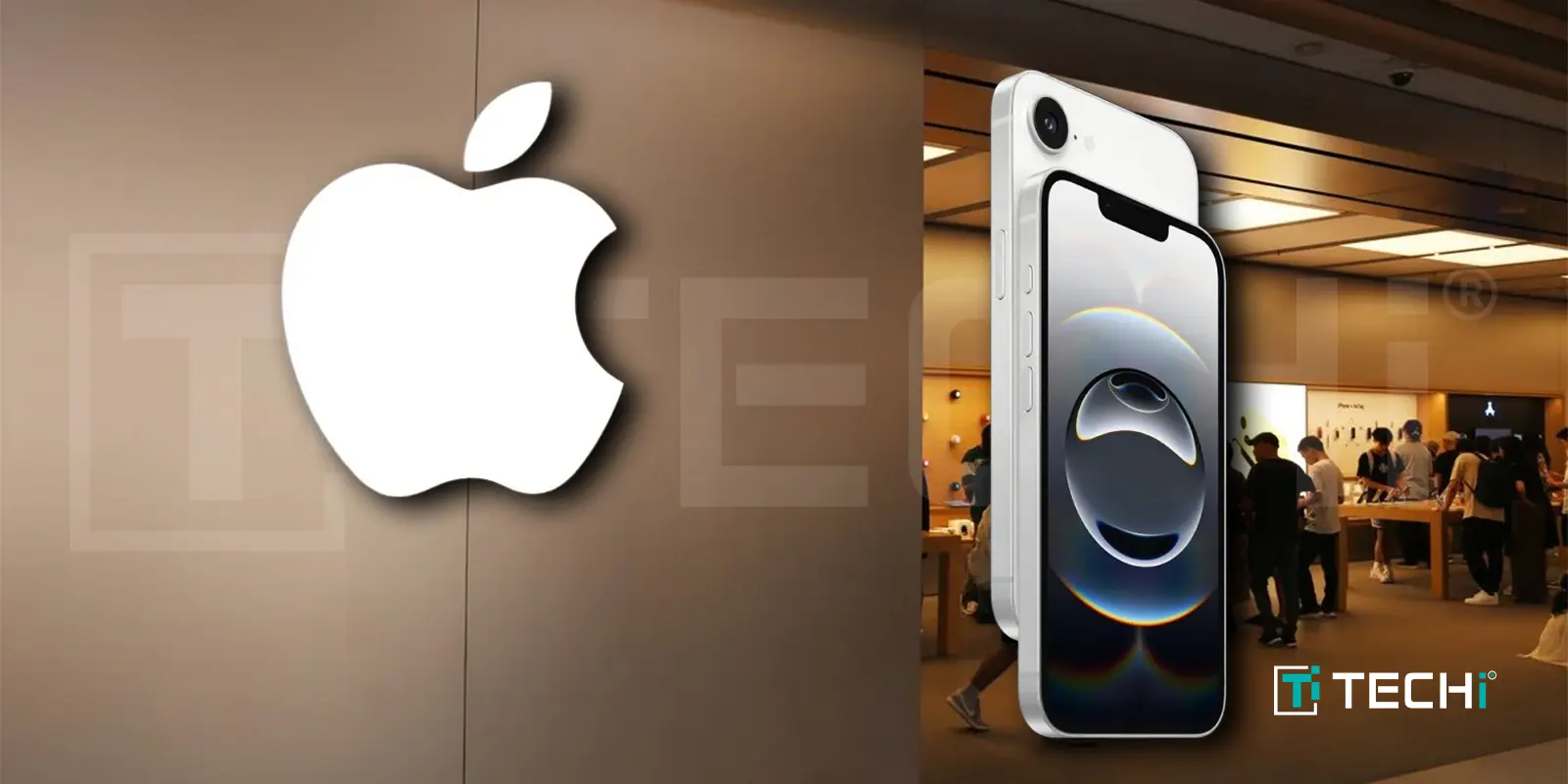
Apple Launches iPhone 16e in China to Compete with Local Brands

Apple is preparing to launch the iPhone 16e in China, aiming to regain its competitive edge in one of the world’s largest smartphone markets. Priced at approximately $600, the model aligns with China’s national stimulus program, which offers subsidies on smartphones under $800. This move is seen as part of Apple’s effort to maintain its foothold in the market amid evolving consumer preferences.

Competitive Market Landscape

Apple faces increasing competition from domestic smartphone manufacturers, which continue to introduce feature-rich devices at more accessible price points. While Apple’s premium devices cater to high-end users, the demand for more affordable options is growing among Chinese consumers.

Regulatory Considerations

Apple has yet to receive regulatory approval for some of its latest software and AI-driven features in China. This situation creates uncertainty regarding the availability of Apple Intelligence services, which are central to its latest iPhone models. The lack of approval could impact the iPhone 16e’s appeal compared to locally manufactured devices that already integrate similar capabilities.

Apple’s Market Position and Future Outlook

Apple previously held the top position in China’s smartphone market, surpassing competitors. However, reports indicate a shift in market rankings, prompting Apple to introduce the iPhone 16e as part of its strategy to sustain its position. The iPhone 16e’s performance in China will be a crucial indicator of Apple’s ability to navigate market challenges, regulatory hurdles, and competitive pricing pressures.

Read More: HP Acquires Humane: What It Means for the Future of AI Wearables

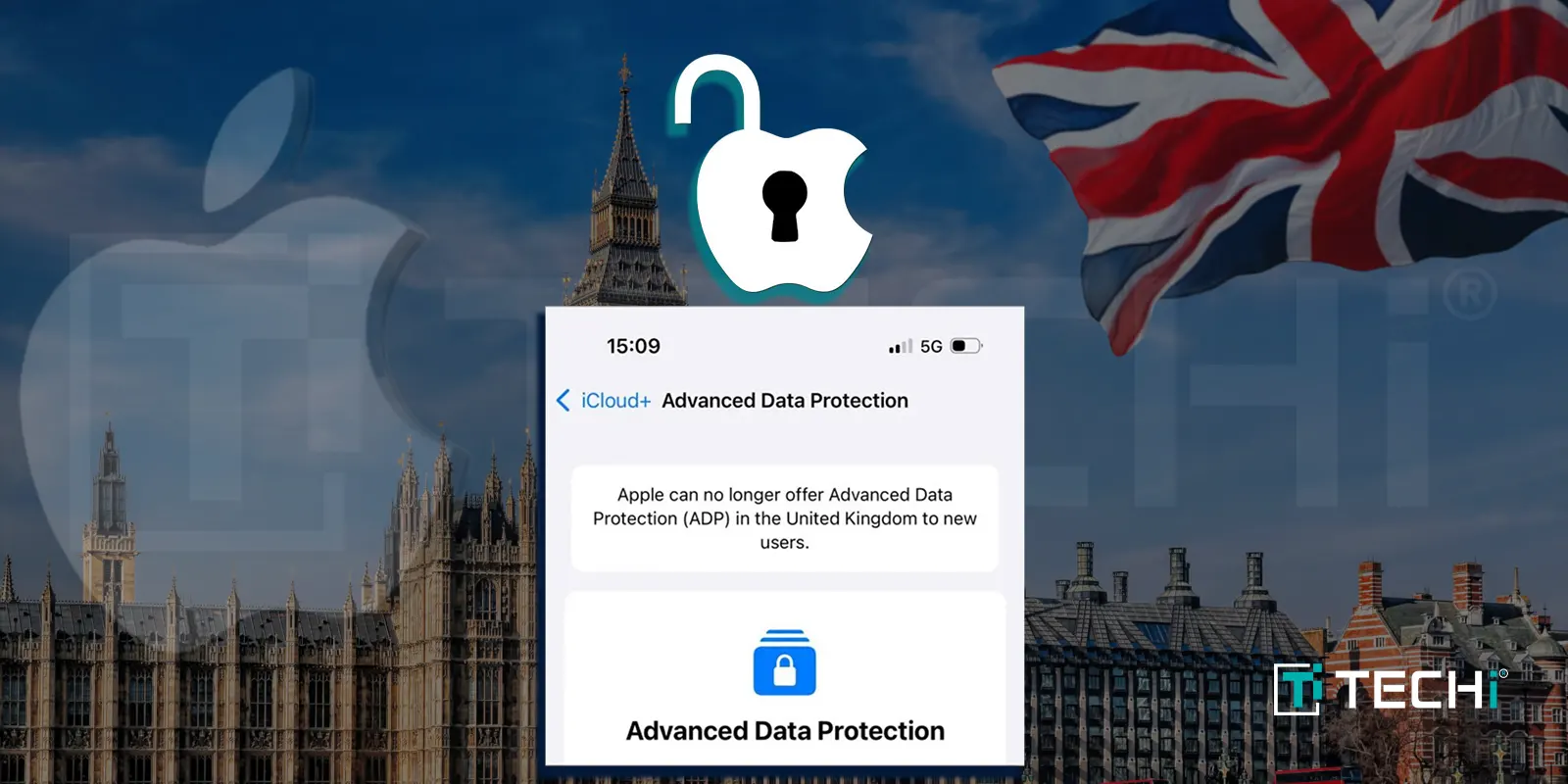
Apple Ends iCloud Encryption in UK After Government Demands

Apple has confirmed the removal of Advanced Data Protection (ADP) for iCloud backups in the UK following government demands for access to user data. This move means UK users will no longer have the option to secure their iCloud backups with end-to-end encryption, making it possible for authorities to request access to stored data under legal provisions.

Government Mandate Behind the Decision

The removal of ADP aligns with requirements set by the Investigatory Powers Act of 2016, which allows UK law enforcement to request access to encrypted data under a Technical Capability Notice (TCN). According to a report from The Washington Post, the UK government issued a Technical Capability Notice (TCN) to Apple under the Investigatory Powers Act of 2016. This notice compels companies to assist law enforcement in data collection by ensuring they can access encrypted information. Apple’s decision to remove ADP aligns with these legal requirements, as TCNs require firms to develop methods to provide data upon legal request.

While these notices do not provide unrestricted access, they compel companies to develop mechanisms for law enforcement to retrieve data when legally required. Apple has previously stated its commitment to user privacy and encryption but appears to have made this change to comply with UK regulations. A UK Home Office spokesperson declined to comment on whether a direct order was issued, stating, “We do not comment on operational matters, including confirming or denying the existence of such notices.”

Impact on iCloud Users in the UK

With the removal of ADP, UK users who rely on iCloud backups will no longer have the same level of encryption as users in other regions. This affects stored data, including messages, photos, and documents, which can now be accessed by Apple and shared with law enforcement upon legal request. Existing users who have already enabled ADP will not have it automatically disabled, but they will receive notifications prompting them to turn off the feature manually. Users who wish to maintain encryption must store their data locally on their devices without iCloud backup functionality.

Privacy and Security Concerns

Cybersecurity experts have raised concerns that this change weakens user privacy and data security. Many argue that once a government gains access to encrypted data, other nations may follow suit with similar demands. The move has also sparked fears of potential security risks, as reducing encryption may make user data more vulnerable to breaches and unauthorized access.

Industry Response and Future Implications

Digital rights organizations have criticized the decision, warning that it sets a precedent for further government intervention in encryption policies. Meredith Whittaker, president of Signal, has spoken against such measures, emphasizing that strong encryption is essential for security and digital privacy. Apple has maintained that while it is complying with UK law, it remains committed to encryption and will not create backdoors in its products. However, this move highlights the ongoing struggle between user privacy and government surveillance, with potential implications for tech companies operating in regions with strict data laws.

Read More: OpenAI Blocks Accounts in China & North Korea Over Misuse

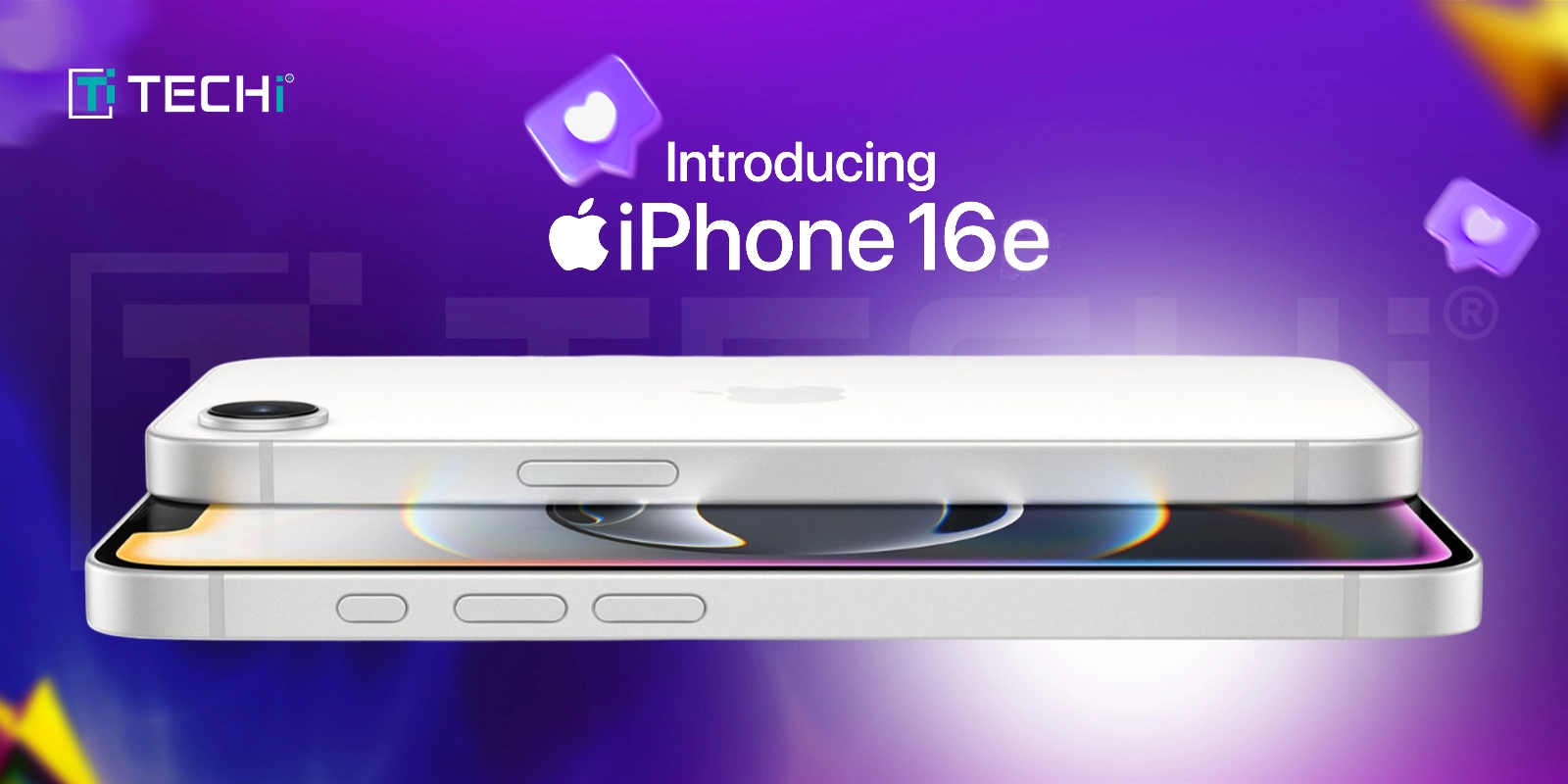
Apple’s iPhone 16e Brings AI & A18 Chip at $599, Launching Feb 28

AI meets affordability, as top of the line smartphones smash the barrier of $1,000, Apple is extraordinary for bringing such a change and providing this new range with a low cost but powerful alternative. The iPhone 16e, an AI-integrated device that brings value to affordability along with giving some very sleek redesigns and its latest see-through internal chip has entered the world of AI technologies.

The new iPhone 16e budget friendly smartphone, has been officially introduced by Apple. It is priced at $599 for the fourth-generation device. Not only is it the recipient of the latest AI capabilities introduced by Apple, but it also comes with the makeover and updated internals. It’s supposed to make its market debut on February 28, and that’s just the bridging element, from being pretty affordable to being all high-tech.

Apple Intelligence:

The major feature of the iPhone 16e is Apple Intelligence with its response to AI assistant competitors such as OpenAI’s ChatGPT and Google’s Gemini. This advanced model is even able to run locally on devices, which will offer services such as text summarization, letter writing, and picture generation.

Along with the exclusive club of devices that have Apple Intelligence features, the 16e joins the iPhone 16 lineup. The brain of the device is powered by an A18 processor, on which superb AI performance is delivered and also users are granted access to ChatGPT via Siri without having an OpenAI account.

Hardware and Design Changes:

The iPhone 16e has several major design and hardware improvements which are the following;

  •  Processor; the new Apple A18 chip has a 16-core AI processing-neural engine and a 4-core GPU.
  • Display; a larger 6.1 inches of OLED display is compared to a previous 4.8-inch screen on the SE.
  • Camera; a single 48-megapixel rear camera with 2x zoom, which produces 24-megapixel images.
  • Face ID & Notch; for Face ID, it was done away with the Touch ID home button similar to the notch style of an iPhone X.
  •  USB-C Port; it moves away from Lightning ports to USB-C for standardization of the entire Apple’s hardware.
  •  Battery Life; it offers what Apple calls “the best battery life ever on a 6.1-inch iPhone” and claims to give 12 hours more battery life than its predecessor.
  • The most described milestone, iPhone 16e, is also synonymous with the debut of the new Apple brand modem, known as the C1, populating the pages of the history book. So now, Apple will stop depending on companies like Qualcomm and Intel for modem chips.

Strategic Timing for a Shifting Marketplace:

The iPhone 16e is coming at a critical time for Apple, especially due to the recent 11% drop in its market share in China. Increased competition from Huawei and limited AI availability in China were to be blamed for this drop. The company is working to integrate major Chinese tech firms, like Tencent, ByteDance, and Alibaba, to create a localized AI experience in the region. The iPhone SE series, historically, has had good sales mainly in key markets of China and India. While the new price tag of $599 is a $100 increase from its predecessor, premium features and AI capabilities may help Apple claw back in these markets.

Availability and Preorders:

Preorders start on February 21, while shipping is scheduled to begin on the 28th of February. The iPhone 16e is really not just any other low-cost device but rather a statement. With its AI capabilities, an improved battery, and a redesigned modern look, Apple is demonstrating how innovation does not only lie with high priced models. In a rapidly changing market environment with increasing competition, the iPhone 16e may be instrumental in appealing to new users wanting technology with a value for money proposal. As Apple continues stretching the boundaries of AI and smartphone technologies, the iPhone 16e could become a game changer in the midrange space.

Read More: Thousands of Apps Removed from EU App Store as Apple Enforces DSA

Thousands of Apps Removed from EU App Store as Apple Enforces DSA

A fantastic game of digital hide-and-seek is ongoing, played in such a way that thousands of apps have fallen off from the EU App Store overnight. Nobody has hacked into or crashed out the systems, Apple simply decided to play bouncer to those apps wishing to enter the compliance club. This is why pop-up apps are nowhere to be found in the EU App Store, as almost thousands of apps mysteriously disappeared. The deadline for the Digital Services Act (DSA) demanded apps without verifiable developer contact details to be tossed aside. Apple’s expression, according to its EU agreement, might be a triumph for transparency, but, for most developers, it seems like an intense crash course in red tape.

As the deadline for the enforcement of the Digital Services Act (DSA) in the European Union approaches, Apple has removed apps without any compliance concerning the transparency clauses. On February 18, 2025, apps belonging to developers without verified and up to date contact information, address, phone number, and email would simply get wiped out from the EU App Store. This goes in accordance with Articles 30 and 31 of the DSA, which requires app developers to disclose their “trader status” regarding accountability and protection for consumers.

Apple’s Removal of Non-Compliant Apps:

In an official statement to developers, it was found that Apple will remove all such non-compliant apps and will not reinstate them until they verify their trader status. According to the company, they should have known about these policies long before and should not be surprised.

Appfigures, an app intelligence provider, reported that nearly 135,000 apps have gone inactive across all of the EU member state App Stores in just about 30 hours. It definitely pulls the number high away probably because many developers, smaller and independent, suddenly emerge shocked with the new strict requirements.

Consequences for Independent Developers:

Although the impact of the policy is felt among all those who earn revenue via the App Store, be it through paid downloads, in-app purchases, or ads, the greater effect has tilted more towards the smaller independent developers. Many of these people here do not have a regular business, even the office does not mean that they are at home or have little work with some online contact details. Some have gone to such lengths as actually registering with co-working spaces, virtual offices, PO boxes, or virtual phone numbers to keep it all, while still being able to meet Apple’s verification criteria.

For organizations, it now requires a phone number, email, and address associated with the D-U-N-S Number. Similar information needs to be provided by individual developers now publicly visible in the EU App Store under app details situated between the app’s age rating and the developer’s website link.

DSA’s Broader Perspective:

The DSA is the European Union’s effort to increase transparency and accountability among digital services while scrutinizing the businesses that operate online with regard to consumer identification and reach. While such a move has been heralded as a step toward the betterment of consumer protection rights, it has given birth to a different kind of fear of privacy, especially among individual developers who are otherwise inclined to release personal information.

With the enforcement now full-blown, developers have only one option, act fast to restore their apps or risk losing access to customers in the EU forever. As such an enforcement of the DSA from Apple underscores growing regulatory pressure on digital platforms, it raises the signal of concern about privacy among the little developers. Changing rules in the tech world is nothing new but if one wants to survive in an EU market, ensure that private information goes through Apple to reach you.

Read More: X Blocks Signal Links – A Threat to Digital Freedom and Privacy?

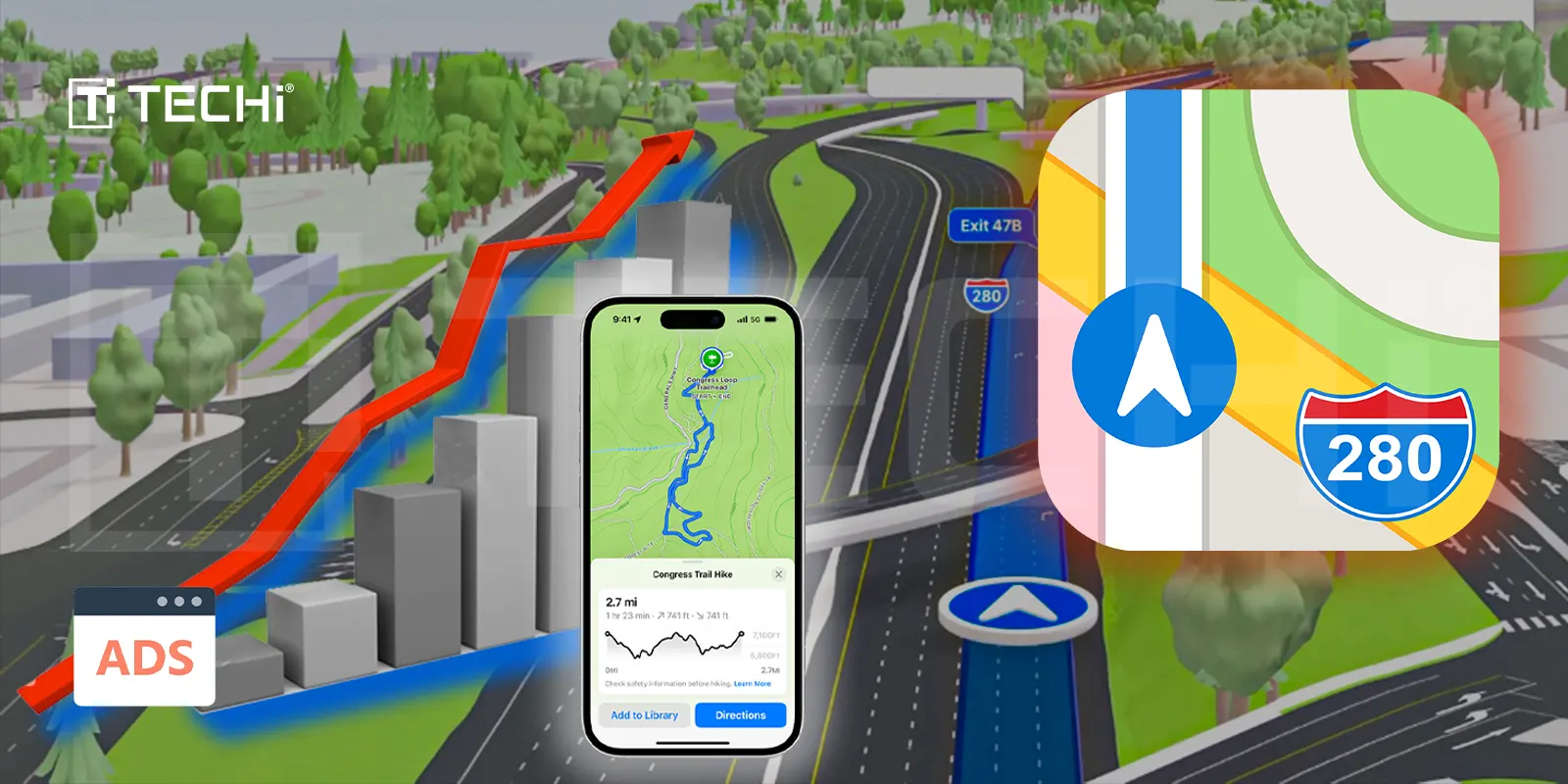
Apple Maps May Introduce Google-Style Ads to Expand Its Revenue Stream

The iPhone maker is envisioning a future where users could turn their navigation into a revenue-generating machine by implementing advertisements. Apple Inc. might open a new front in its advertising business by considering the introduction of ads into Apple Maps, as similar in the business model of Alphabet Inc. Google Maps. This could prove a huge shift in the company’s monetization strategy. In the event that this works, Apple Maps might soon be as much like Google Maps in terms of accuracy as monetization. This shift also shows an extension of Apple’s increasing ambitions regarding digital advertising, an area that has slowly yet surely been added into Apple’s catalog.

Apple Maps Monetization under Consideration:

The idea of paid advertising integrated within Apple Maps was raised during a recent Apple all-hands meeting. As Mark Gurman in his newsletter ‘Power On’ said, “During a recent all-hands meeting, Apple’s Maps division revisited the idea of monetizing its navigation app”. This would enable businesses to buy positions above organic results, something similar to ads in Google Maps.

Apple had previously tested out ads in several formats, with search ads within the App Store, advertisements in Apple News, and ads within the Stocks app being part of its strategy already. Extending this to Apple Maps will create another revenue source while aligning with Apple’s broader opportunity of increasing services income.

Revenue Significance:

Along with rapidly changing time comes the rapidly changed behavior of the users. In a 2023 antitrust case against Google, evidence showed that Google Maps usage on iPhones had significantly declined since Apple had switched over to its own mapping. Thus, Google had gained back only 40% of its historic mobile traffic, indicating that Apple has been growing its footprint in the navigation services.

Apple’s financials are also reflecting a growing portion of its revenue coming from services. For its fiscal first quarter of 2024, Apple made $124.3 billion in revenue, which is above the $124.13 billion forecast by analysts. The important bit was that its services revenue rose to $26.34 billion, from $23.12 billion a year ago, indicative of the company’s push toward subscription revenue and ad-based monetization.

Market Implications and Stock Market Response:

Advertising in Maps by Apple would bring huge changes to the digital advertising arena that has long been dominated by Google Maps in terms of location based search. Advertisers will tend to shift parts of their budgets toward Apple’s ecosystem that has a more dedicated user base and tougher strict privacy policies that target privacy conscious consumers. Apple’s already ‘privacy first’ moves, such as App Tracking Transparency (ATT), have already changed mobile advertising forever. Ads in Apple Maps will raise the question of how the company intends to generate revenue while keeping user privacy intact.

The stock of Apple was very calm with the news. The stock by after-hours trading registered an increase of 0.02% to $244.65 following a 1.27% rise to $244.60 at Friday’s close. Investors seem to be cautiously optimistic about the entry of Apple into location-based advertising.

Apple’s growing services:

The move that Apple is more likely to take in terms of advertising monetization within Maps will reinvent the methodologies employed by organizations when reaching users through navigation systems. While it represents a huge opportunity from Apple’s growing services business, it does bear several critical issues concerning user experience and privacy.

If Apple materialises its ad possibilities for Maps, then it may usher in a new era for Apple advertising, one that directly competes with Google’s immensely profitable model of search based advertising. Some users might appreciate recommendations that are relevant, while others could find them intrusive. As Apple dives further into services and advertising, iPhone users must prepare themselves to be monetized even further in the apps that they use on an everyday basis. The industry will be watching as Apple explores this possible revenue stream to see how it affects competition with Google and the digital advertising marketplace in general.

Read More: Apple to Bring AI Features and Spatial Content App to Vision Pro

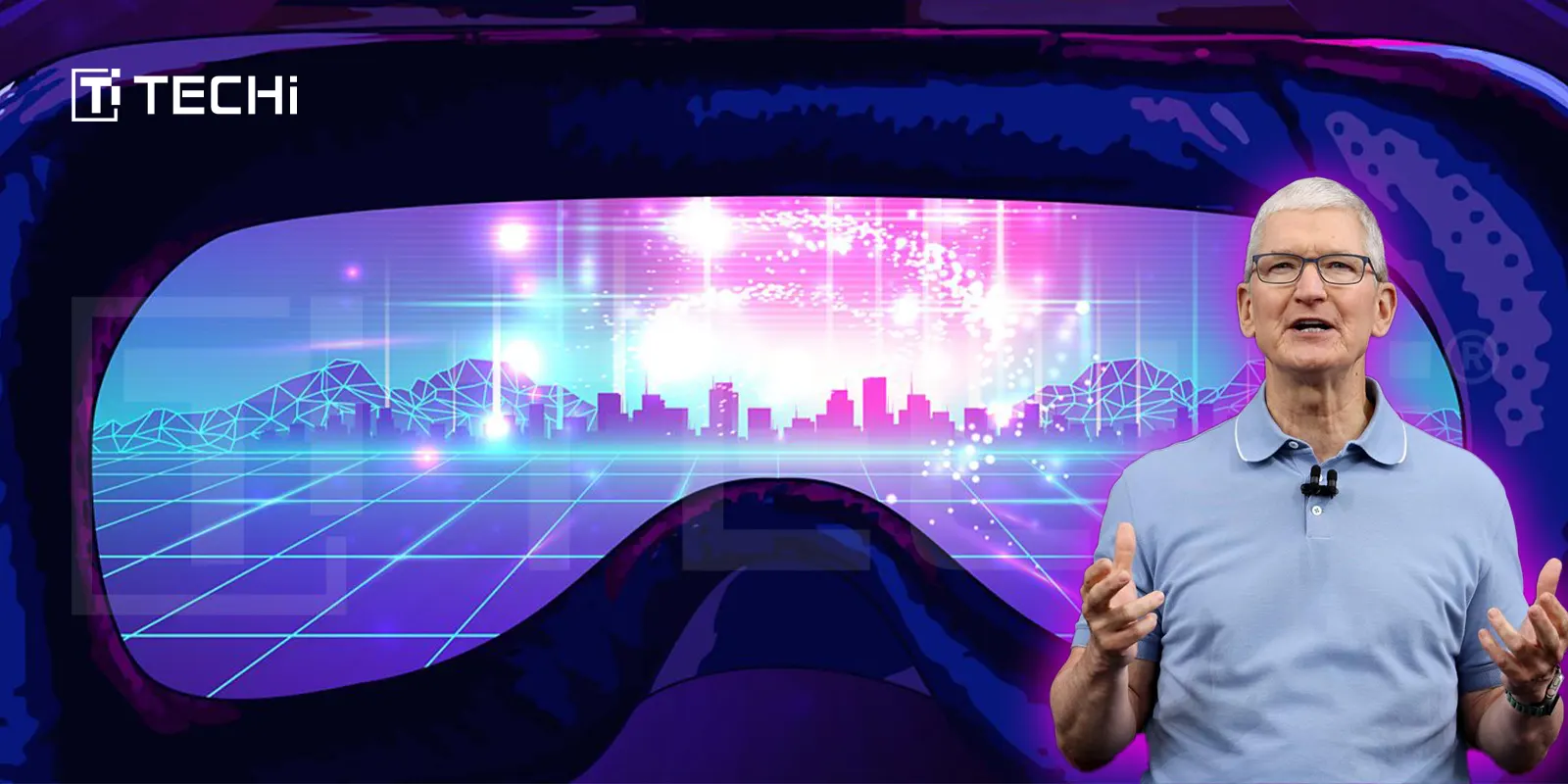
Apple to Bring AI Features and Spatial Content App to Vision Pro – Report

Apple (AAPL.O) is preparing to roll out major AI-powered enhancements to its Vision Pro headset, including a new spatial content app and an improved guest mode, according to Bloomberg News. The software update, expected as early as April, will integrate Apple Intelligence features into the device.

Apple Vision Pro AI Upgrade Expected Soon 

The update will introduce Apple Intelligence capabilities to the Vision Pro, aligning with the company’s broader push into artificial intelligence. According to Bloomberg, developers could get access to a beta version of these features as early as this week.

New Spatial Content App and Guest Mode Enhancements 

Apple’s new software update will reportedly include a spatial content app, enhancing immersive media experiences on the Vision Pro. Additionally, a refined guest mode will make it easier for multiple users to interact with the device.

Apple’s Push for AI Integration in Its Ecosystem 

Apple has been racing to integrate AI across its devices, aiming to stay ahead of competitors in the AI space. Reports suggest the company is also in discussions with Tencent (0700.HK) and TikTok owner ByteDance to incorporate AI models into iPhones sold in China. The anticipated AI-powered features for Vision Pro are the Writing Tools interface, Genmojis, and the Image Playground app. These additions aim to provide a more intuitive and creative user experience.

Will AI Revive Apple Vision Pro Sales? 

Apple’s Vision Pro, launched on February 2, 2024, initially generated strong interest but has faced declining sales due to its high $3,499 price tag and competition from more affordable alternatives like Meta’s Quest. Introducing AI-powered enhancements may be part of Apple’s strategy to boost consumer interest and drive sales. Apple has not officially commented on the Bloomberg report, but the tech industry is closely watching how AI integration shapes the future of the Vision Pro and other Apple products.

Read More: Apple’s iPhone SE 4 Leaks, Reveals New Design and Features

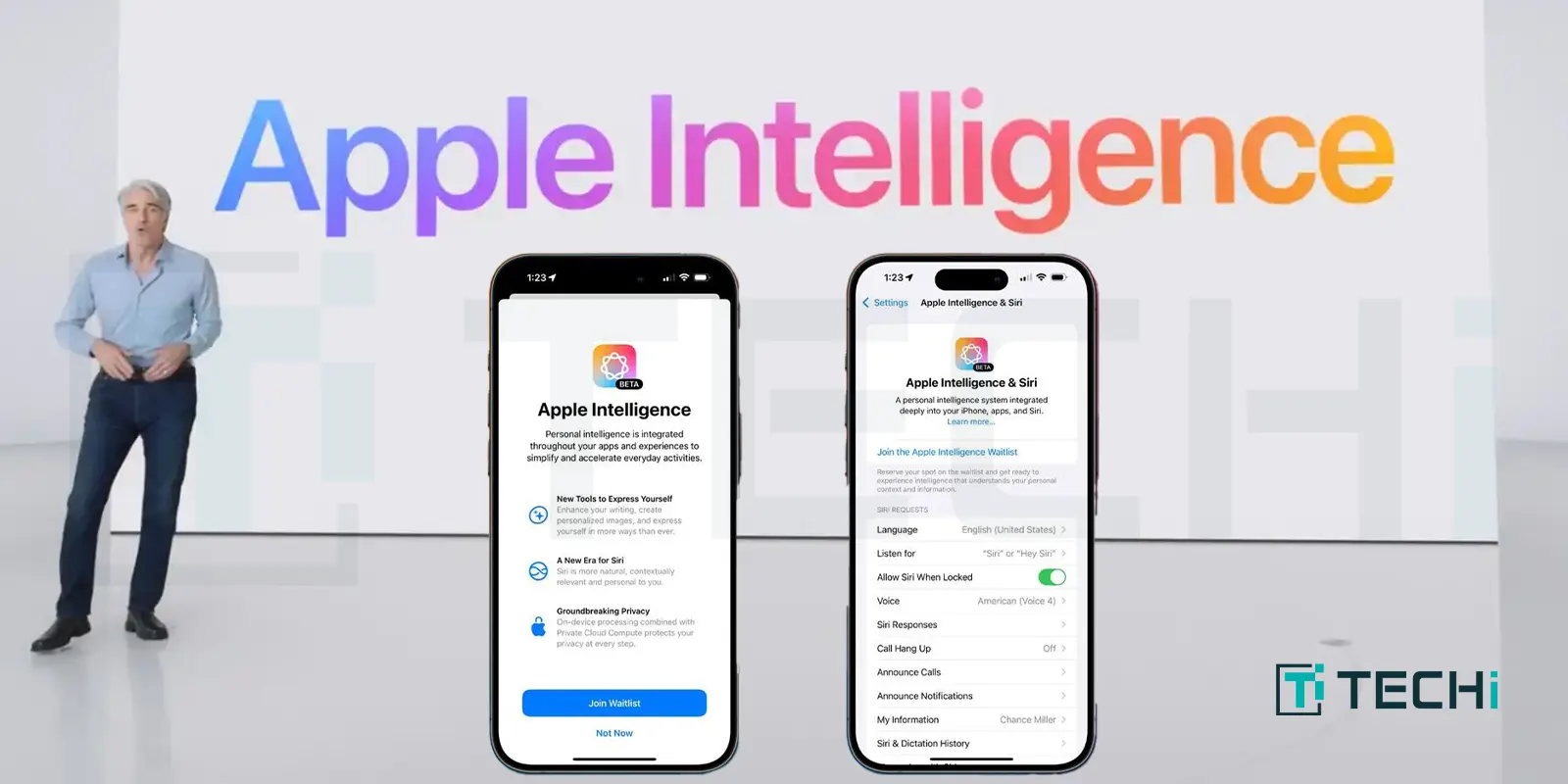
Apple Intelligence suite brings in inclusivity and goes multilingual

As we are entering into an advanced future, it’s time for Apple intelligence to become multilingual. In order to make its AI more accessible worldwide, Apple is broadening its horizon by supporting other languages and incorporating it in its system. The emergence of Apple’s ability to learn new languages is mainly due to the fact that not everyone speaks English with a Siri-like accent.

This signifies a major focus on what the world requires and not what the company implies, this shifts the future approach of bringing in advanced features. Launching in April, the CEO of Apple, Tim Cook affirmed that the Apple Intelligence (AI suite) would support and incorporate other languages in different parts of the world, during Q4 2024 earnings call.

Apple’s AI Suite integrating more languages:

Apple Intelligence service will support languages other than U.S English and the update will include French, Italian, Portuguese, Spanish, Japanese, Korean and Simplified Chinese, all these languages will be supported. Furthermore, English access on the local level will be made available for India and Singapore. Apple Intelligence (AI suit) was first introduced in America in the English language. Support for iOS 18.2 was expanded in December, resulting in the inclusion of English localizations for Australia, Canada, New Zealand, South Africa, and the U.K.

There has not been any announcements regarding launching Apple’s AI suite in China or the European Union. Cook highlighted the language expansion and revealed that the next Siri will be launched in the near future, with enhancements to the on-screen context awareness. This update is designed to make things more user-friendly while also allowing users to integrate Apple’s AI into their daily lives more effectively. Apple Intelligence is getting smarter, more global, and more useful, let’s just hope it doesn’t start talking back in every language.

Read More: Starlink Satellite Access for the iPhone is a progressive groundbreaking approach

Starlink Satellite Access for the iPhone is a progressive groundbreaking approach; Apple’s latest update

Apple’s updates always give us groundbreaking, innovative features. A recent report indicates, Starlink satellite network now integrated into Apple’s latest iPhone software platform, the iOS 18.3 release, is said to be a result of collaboration with SpaceX and T-Mobile. According to Mark Gurman, “Apple Inc. has been secretly working with SpaceX and T-Mobile US Inc. to add support for the Starlink network in its latest iPhone software, providing an alternative to the company’s in-house satellite-communication service.” 

Game changing updates:

The tech-enabled update that is not being widely delivered has been called ‘unexpected’ by Gurman, and that T-Mobile’s prior option to deliver emergency messages via Starlink satellite was restricted to Samsung phones. In contrast, Apple adopted the Globalstar network in its satellite emergency service. The announcement of Apple’s latest update on X was made by Mario Nawfal, founder of IBC Group, who called it a “game changer”. Elon Musk expressed that the new Starlink direct to phone constellation should be able to support images with high resolution, music, and audio podcasts, through sharing Nawfal’s comment, “Medium resolution images, music and audio podcasts should work with the current generation Starlink direct-to-phone constellation.

Next generation constellations will do medium resolution video.” T-Mobile beta testers enabled a few iPhones on the network to play moderately high-quality video and were notified stating they were in Starlink beta and stay connected to satellite messaging from anywhere. Users wanting coverage beyond iOS 18.3 must update to this version for updated features. 

To control the satellite feature, the program’s participants are given a new toggle switch in their iPhone cellular data settings. According to Gurman, “Users in the program have a new toggle switch in their iPhone cellular data settings to manage the satellite feature.” While texting was the main focus in the first version, SpaceX and T-Mobile are planning to offer data connections and voice calls next. T-Mobile’s iPhone will be automatically connected to the SpaceX satellite when cellular connectivity is lost and while the number of iPhones in the beta is currently limited, T-Mobile plans to extend the program in future.

Read More: Apple Miami Worldcenter opens Friday, January 24, in downtown Miami

Apple Miami Worldcenter opens Friday, January 24, in downtown Miami

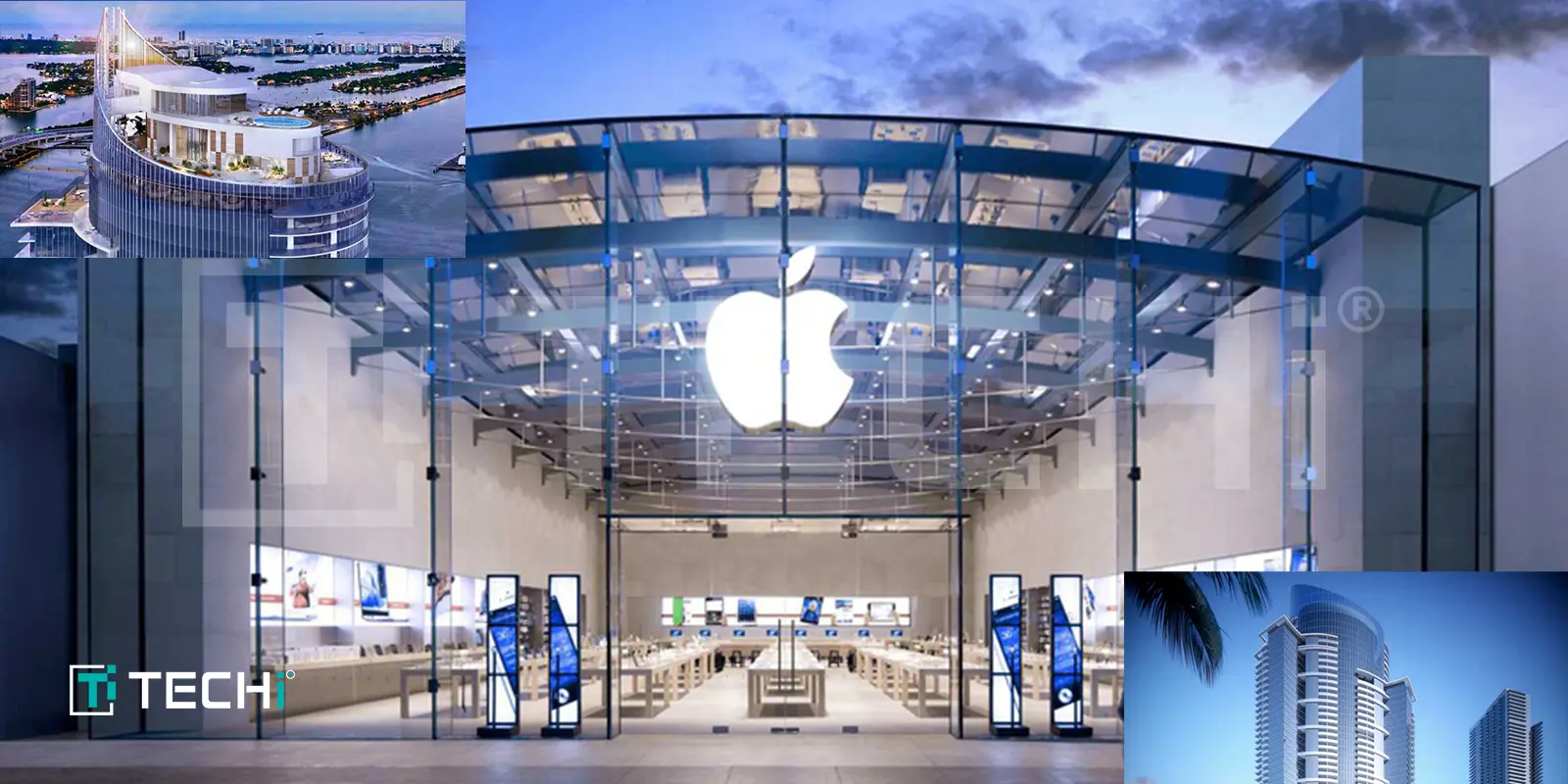
Apple is set to expand its presence in Florida with the grand opening of its latest retail store, Apple Miami Worldcenter, on Friday, January 24, 2025. Located in the heart of downtown Miami at the prestigious Miami Worldcenter, this store promises to deliver Apple’s signature shopping experience with an added touch of Miami’s unique cultural flair.

Prime Location at Miami Worldcenter

Answering the needs of residents and visitors, Apple Miami Worldcenter is part of one of the largest mixed-use urban developments in the United States. The Miami Worldcenter itself is an exciting place featuring luxury retail spaces, apartment towers, restaurants, and entertainment venues. The Apple store is placed in a location where it can attract heavy customer flow from the bustling environment of the development.

What Would Customers Expect

More than just a retail store selling products, Apple Miami Worldcenter will give people an experience. It will host Apple’s latest design concepts like open spaces, interactive displays, and specialty areas for product workshops and customer support.

  • Genius Bar and Product Support: The Genius Bar provides customers personal technical support and repair services.
  • Today at Apple Sessions: They will offer creative sessions that provide free, hands-on learning in photography, coding, music production, and more.
  • Complete Product Range: This will include the full line of Apple products from iPhone, iPad, Macs, Apple Watches, and accessories. To celebrate the grand opening event, Apple will welcome special exclusive events to take place this weekend. Besides being the first customers in the store, they can also join the fun with live demonstrations, interact with artistic exhibits, and be part of exclusive Today at Apple events with some local creators. Some limited-edition Apple merch may also be included in the festivities.
  • Commitment to Sustainability: Miami Worldcenter reflects Apple’s commitment to sustainability and has energy-efficient systems and materials, as per the pledge made by the company to turn carbon neutral within the year 2030.

Additional Locations Opened By Apple in Florida
 

The Miami Worldcenter location fortifies the trend that Apple would continue the investment in Florida. It has numerous stores operating in the state, and this site symbolizes the effort of making that high level of top-quality service and access to state-of-the-art technologies for the dynamic cities in the nation. 

Apple Miami Worldcenter officially opens at 10 am on January 24, 2025, for the public. It encourages customers to get in early to explore the new store and Apple’s latest offerings and enjoy the grand opening celebrations. This opening will cement the spot of Apple as a tech giant in Miami whilst offering citizens and visitors combined innovation, creativity, and community involvement.

Read More: Apple’s Store App launch in India

Google Partners with HTC in $250M XR Deal: A Bold Step to Rival Apple and Meta in Immersive Tech

Google’s Latest & Bold Move!!

Acquiring a part of HTC’s XR business for $250 million?

Trying to rule the XR space?

Google is damn serious about competing in the advanced technology space.

What’s happening?

Let’s start from scratch.

1. What is XR?

  • XR, or Extended Reality, is a collective term that includes:
    • Virtual Reality (VR): Fully immersive digital environments.
    • Augmented Reality (AR): Digital overlays on the real world (think Pokémon GO).
    • Mixed Reality (MR): A mix of both VR and AR.

2. What’s the Deal About?

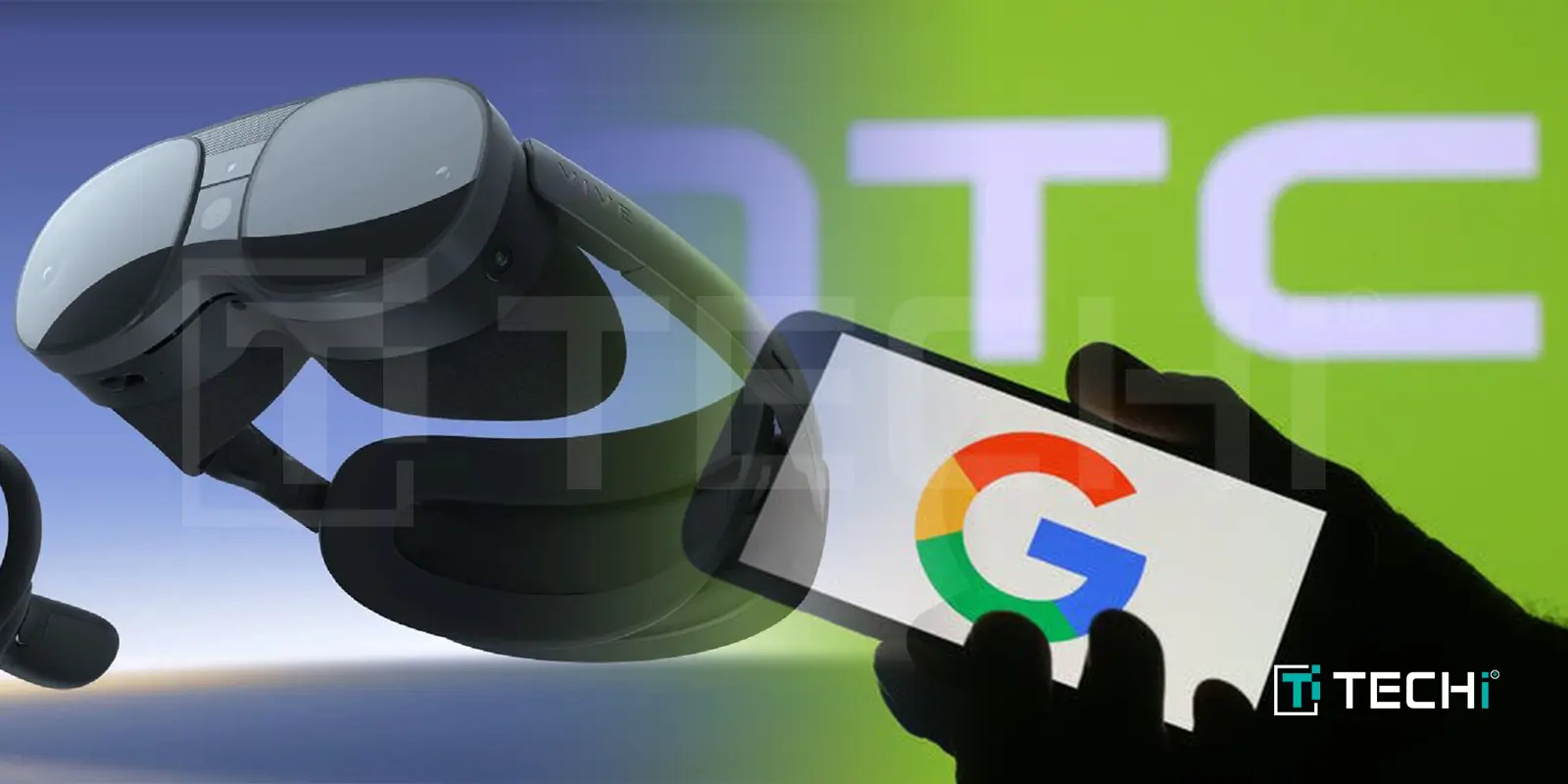
  • Google is buying a part of HTC’s XR business for $250 million.
  • The deal includes:
    • Engineering staff: HTC VIVE engineers known for their expertise in VR headsets and technology will now work for Google.
    • Intellectual Property (IP): Google gets non-exclusive rights to HTC’s XR technology, meaning HTC can still use and develop it.

3. Why Is This Important?

  • Google recently launched its Android XR platform, a system for running XR applications (like headsets and smart glasses). This acquisition will speed up the development of this platform.
  • Google will be a strong competitor to companies like:
    • Meta (Facebook): Known for Oculus VR headsets.
    • Apple: Vision Pro and much more (who doesn’t know them?)

4. History Between Google and HTC

Lifetime collaboration on the way?

 5. What Does this deal have for HTC?

  • HTC will retain the rights to use and develop XR technology, so it’s not about losing its entire XR division.
  • This allows HTC to still innovate in the XR space while having funds from Google.

6. The Bigger Picture

Who will play a long-run game?

Google is trying to catch Meta and Apple, which are already ahead in their XR devices. Investing heavily to become Top 1 and become a key part of the future.

Google, Apple, Meta or any other pro player rule the XR game?

Time will tell.

Stay tuned to techi.com to get regular updates.

Read More: Google Stance on European Union Fact-checking Mandates