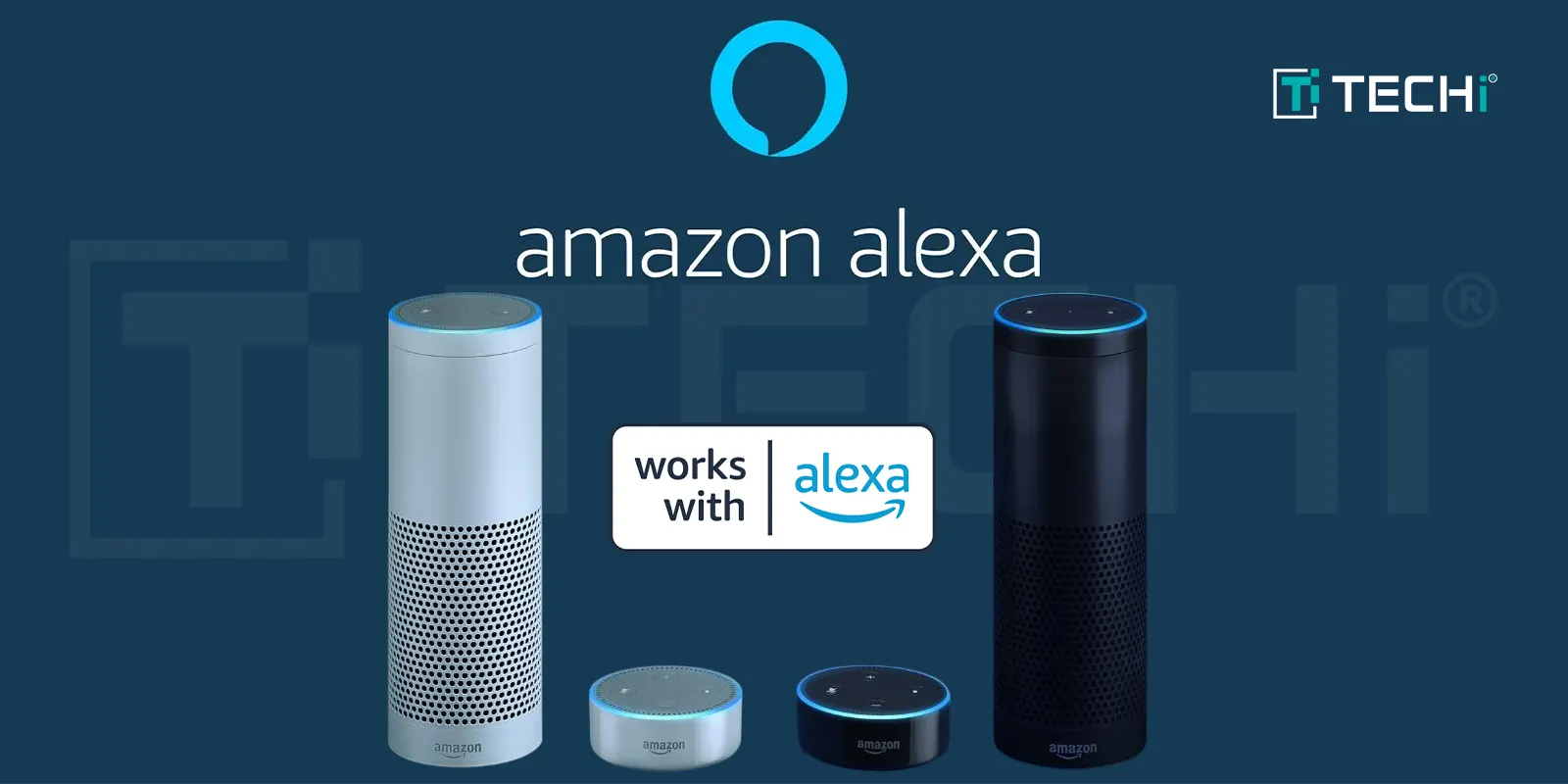
This is a world where intelligent assistants are kept exclusively to setting alarms and playing music along with it misunderstanding some basic commands. However, this latest foray into Alexa+ from Amazon promises something beyond simple task accomplishments, it is a real agent with an AI engine. All things should go according to plan, for this system will update its activities to include not just stating the weather but also reserving tables and ordering grocery items, with the addition of possibly remembering one’s birthday. Alexa+ presents a dramatic foray into the world of consumer AI agents, it is a brand new evolution of the voice assistant towards which Alexa will go in helping manage day to day activities.
The big announcement was made in a keynote on a Wednesday, Alexa+ set up beyond booking reservations to managing home maintenance, and integrated a really wide net of both first and third party services. If it succeeds, Alexa+ is poised to become the most far reaching consumer AI agent, surpassing even the most ambitious competitors in terms of capability and access. Amazon signals a future where intelligent AI assistants do not just perform tasks for users, but also engage in so-called inter-agent behavior with other intelligent AI assistants for seamless integration across digital ecosystems.
Future of AI Assistance:
Amazon’s Alexa and Echo VP Daniel Rausch said, “We believe that the future is full of agents — we have believed this for some time. “There will be many AI agents out there doing things for customers, many of them will have specialized skills … And we’ve also always believed that in a world full of AI, these agents should interact with each other. They should interoperate seamlessly for customers.”
It comes at a significant time for the company, now that it is trying to revive Alexa, which hasn’t managed to generate much revenue despite years of investment. According to reports, Amazon’s hardware division has burned hundreds of billions of dollars, so Alexa+ could shape a turning point in evolution for the assistant.
AI Agents and Alexa+ Abilities:
The virtual assistants that are autonomous in their actions and can take proactive actions on the user’s behalf have become somewhat of a concept in the tech world. OpenAI and Anthropic have worked toward that goal with the development of AI models, but many implementations remain unsuccessful and inefficient, thus requiring a human in the loop for their actions.
Alexa+ from Amazon is presented in a different light as a polished and intuitive assistant capable of performing tasks that require the least amount of contact. The assistant showcased its ability to coordinate between several information sources in this case, emails, calendars, and user preferences automating mundane tasks with great efficiency. Some key capabilities showcase:
- It automates your grocery shopping with Amazon Fresh, Whole Foods, and other retailers.
- When products are offered at reduced prices, it smartly chooses to order them by itself.
- It schedules bookings for the spa and fitness appointments through Vagaro.
- It integrates with everyday services, including food through Grubhub, rides through Uber, and tickets through Ticketmaster.
- The smart event planner always extracts useful information from flyers to create the right reminders.
Major Challenges:
Alexa+ seems very promising for the future but remains faced with challenges. Ever since the beginning, the AI agents have been poor at reliability, and there were reports that Alexa+ was delayed multiple times because its earlier iterations failed at even the most basic tasks of turning on and off smart home devices.
The research assistant from OpenAI, ChatGPT deep research, has been inaccurate in its results and Gemini has faced issues with providing factually accurate summaries. These issues must be dealt with for Alexa+ to become a reality for Amazon. Then there is the ever existing question about data privacy. Alexa+ depends heavily on user data to create personalized experiences, and while this welcomes greater utility, it also raises concerns about how Amazon handles sensitive personal information.
Amazon’s Strategic Advantage:
Amazon has a multitude of favorable conditions. Its position is already strong in consumers’ homes, with over 600 million Alexa enabled devices in circulation. Moreover, providing Alexa+ free of charge to Prime subscribers and charging $19.99 per month to non-prime users could speed up implementation by Amazon’s most committed users. Amazon’s vision for Alexa+ is extensive, futuristic, and ambitious. Suppose it can indeed deliver as an intelligent and autonomous AI agent. In that case, it will have a far-reaching impact on how people relate to technology within the sphere of everyday life.
Should Alexa+ meet its promises, then it could really transform how average consumers interact with AIs, setting an example for personal digital assistants. Otherwise, it could just add to Amazon’s list of grand experiments in AI and machine learning. The real challenge now will be in actualising that promise, can Alexa+ avoid the pitfall of AI limitations where other consumer agents have failed? Will it truly integrate with the intricate alliances of services and tasks it promises to manage? As yet, we do not know all the answers to these questions. Amazon is placing its wager on AI for the future, and now the world is looking for the answer to the question of whether Alexa+ will eventually become the intelligent assistant awaited by all.
Read More: Alibaba Goes All-In on Open-Source AI With Wan 2.1 Release