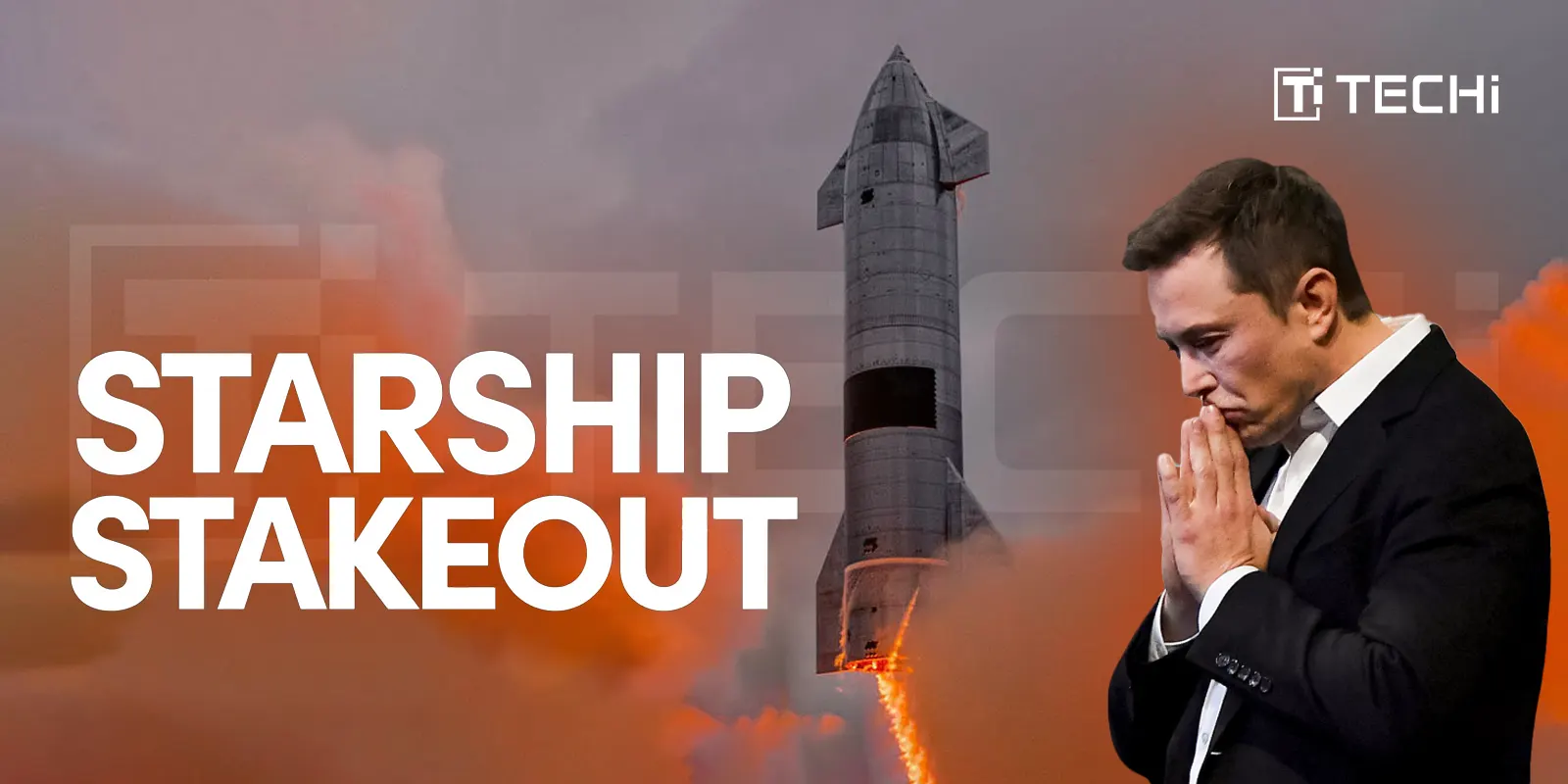
SpaceX’s 8th Starship Test Flight Exploded After Multiple Engine Failures

A back-to-back failure occurred as the 8th test flight of SpaceX’s starship ran into critical problems and eventually blasted after 8 minutes of launch. There were huge roars of celebration and success from an enthusiastic team for a successful takeoff while it was broadcast Live. The ship was safely separated and went into space, after which the super booster that propels the ship out to space successfully returned to its Texas tower.

There were happy claps and screams at the sight of Booster clinging back to its tower. After only a few minutes, the ship spiraled out of control. Engineers lost control of multiple engines, followed by a gigantic blast. The debris started coming back like a shower of meteoroids and shooting stars. Then, the Federal Aviation Administration had to take quick action to reduce the number of flights in major Florida airports.
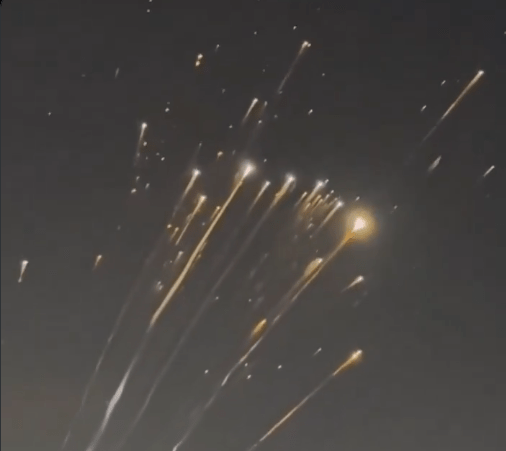
SpaceX Starship explosion debris resembling a meteor shower in the night sky

The Shower of Shooting Stars, Posted by OPTeemyst. It was the second failure in a row, as the seventh test flight met the same fate. The FAA immediately asked for a mishap investigation, and they sprang into action, halting and diverting flights to avoid any accidents due to debris falling from space. SpaceX communications manager Dan Huot said during the broadcast,

“We just saw some engines go out. It looks like we are losing attitude control of the ship.” Later, he mentioned that “at this point, we have lost contact with the ship.”

The ship exploded over the skies of the Bahamas and the Dominican Republic, and SpaceX had to post an immediate message on X that the vehicle experienced a rapid unscheduled disassembly and contact was lost. They are reviewing the data from this flight to understand the causes behind it. Given all that went wrong, SpaceX is an organization that never sits back, as the next test flight might already be on the cards.
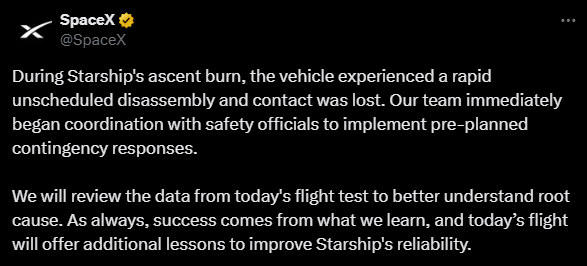
SpaceX's official statement on Starship's explosion during ascent burn.

SpaceX has shared the complete launch video on their official site with explanations and experience. There were 6 Raptor engines in the ship, and they stopped responding one by one until a sonic boom was heard. Elon Musk has been caught in many controversies over the past few days, including losing a lawsuit against OpenAI for stopping it from becoming a for-profit entity. This is an additional shock after the 7th flight broke down during its January 16th, 2025 test run.

During this 7th test flight, engines experienced premature shutdowns and a complete loss of control. Roughly two to three minutes later, the vehicle disintegrated over the Turks and Caicos Islands, though no injuries were reported. That incident also resulted in airspace closures for over an hour, and the FAA had to call for a mishap investigation. After 7th test flight, the booster successfully returned to its Launchpad. The SpaceX team can celebrate and can again stay hopeful and proud for the 3rd booster return as well during the 8th test.

Scores of appreciation and public sentiments were expressed on the 8th test flight, and people praised the SpaceX team’s positivity and struggles.

Social media reactions to SpaceX's 8th Starship test flight

These tests are part of SpaceX’s mission of starting commercial flights into space, and SpaceX will continue to send the dummy versions of its Starlink satellites. They posted an investigation for their 7th test flight and changed several things to fix the previous issues, including improvements to the fuel system and the propellant. The company has always stayed very transparent in sharing the details of all its test flights and the glitches caught at any stage of the tests.

The 8 Starlink Flights’ Tests and Their Outcomes

Test # Date Launch Outcome Booster Landing Ship Landing Problems Positives
Test 1 April 20, 2023 Failure Failure Precluded Engine Failures within 4 min. Most powerful, heaviest rocket ever flown. Reached 39 km height.
Test 2 Nov 18, 2023 Failure Failure (Ocean) Precluded Leak in aft section during liquid oxygen venting, causing a combustion event that interrupted communication between the craft’s flight computers, leading to full engine shutdown. Reached 150 km altitude. Powerful show of all 33 Raptors working and a successful hot stage separation.
Test 3 March 14, 2023 Success Failure (Ocean) Failure (Ocean) Booster successfully propelled the spacecraft to staging, with 13 engines successfully ignited for a boostback burn, though 6 engines failed a few seconds before the end of the burn. Reached 462 meters in altitude and seven minutes into the mission. All Raptor engines started successfully and powered the vehicle to its expected orbit, becoming the first Starship to complete its full-duration ascent burn.
Test 4 June 6, 2024 Success Controlled (Ocean) Controlled (Ocean) Only one engine lost shortly after liftoff. Mission lasted for 1 hour and 6 minutes with a soft landing in the Indian Ocean. Executed first flip maneuver.
Test 5 Oct 13, 2024 Success Success (OLP A) Controlled (Ocean) The Booster RETURNED to LAUNCH Site. The greatest success ever achieved. Successful hot-staging separation, igniting its six Raptor engines and completing ascent into outer space.
Test 6 Nov 19, 2024 Success Controlled (Ocean) Controlled (Ocean) Second attempt at booster recovery. The ship completed in-space engine relight test and re-entered, splashing down in the Indian Ocean during daylight for the first time for any Starship.
Test 7 Jan 16, 2025 Failure Success (OLP A) Precluded Engines experienced premature shutdowns due to a propellant leak larger than the Ship’s systems could handle, followed by a total loss of telemetry. Vehicle exploded within 3 minutes. Booster successfully returned to its launch pad.
Test 8 Failure Success (OLP A) Precluded Engines lost after 8 min into the space. Booster successfully returned to its launch pad.

Elon Musk is a man on a mission. He is spending his energy and resources on these impactful technological developments. He has succeeded in many of his previous endeavors, and he has the guts to try one more time.
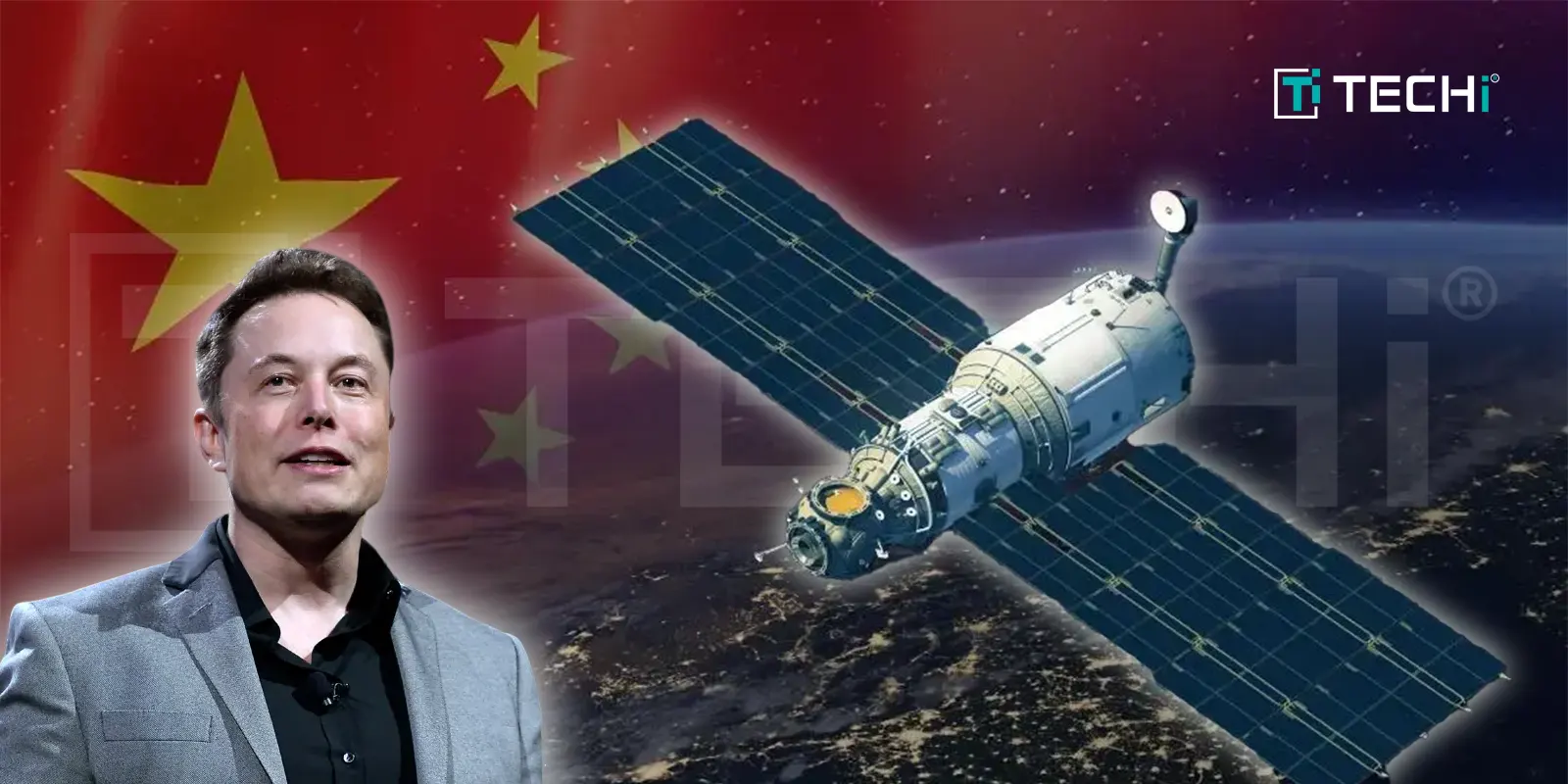
Musk Starlink Battles Chinese Rivals in Fierce Satellite Internet Race

The industry finds itself in a new space-age contest between companies to provide internet to every corner of the Earth and not just plant its flags here or there. Musk’s Starlink was the only game in town with satellite broadband, but now it has come across stiff competitive forces from state-backed Chinese projects and rival billionaires. With thousands of satellites already in orbit and more on the way, the skies are getting pretty thick, and it has become a digital land grab where orbital real estate is the new gold.

With rising competition against Chinese state-backed initiatives and rival networks funded by tech giants such as Jeff Bezos’s Amazon, the satellite internet race is heating up against Musk’s Starlink. The battle for supremacy in Low-Earth orbit (LEO) satellite communications has been getting furious, with Chinese companies rapidly reaching out and snatching international concessions.

Chinese SpaceSail Takes over Global Stage:

Shanghai-based SpaceSail is becoming a strong contender against Starlink. In November 2024, it signed an agreement to enter the Brazilian market and shortly thereafter commenced operations in Kazakhstan as an indicator of its fast pace of expansion. Brasília is also entertaining talks with Bezos’s Project Kuiper and Canada’s Telesat, indicating a global shift away from monopolistic satellite internet providers.

Starlink has launched more LEO satellites since 2020 than all its competitors combined, now the challenge becomes more formidable with China’s massive invasions into space. These intrusions comprise heavy investments by the Chinese government in rival satellite networks and military research on Satellite constellation monitoring and tracking. 2023 saw China launching a record setting number of 263 LEO satellites, a new single year milestone of its growing aspirations.

Strategic Importance and Geopolitical Implications:

China’s push into satellite internet has been welcomed by some governments looking for alternative providers, particularly in those regions where Musk’s Starlink has been held up in political and commercial disputes. State owned or state controlled SpaceSail plans to establish a 648 Low Earth Orbit resident satellite system this year, with 15,000 satellites in orbit by 2030. A comparison shows that Starlink, with around 7,000 satellites actively working, aims to target a total of 42,000 by the end of this decade.

The Qianfan or “Thousand Sails” constellation is China’s first meaningful international effort in satellite broadband, with three additional ones under development. Meanwhile, Beijing is pursuing plans for several LEO satellites totaling 43,000 in forthcoming decades and is investing heavily in rocket technology to facilitate the efficient launching of satellites.

According to Chaitanya Giri, an Aerospace Technology expert with India’s Observer Research Foundation, “The endgame is to occupy as many orbital slots as possible.” In the view of many Western policymakers, this would moreover be a Chinese tool for extending its digital influence, of which the expansion of the Internet censorship procedure outside of China becomes a major point of concern.

Military and Economic Interests:

Space technology and geopolitics are intertwined through China’s greater race for the establishment of treaties on LEO satellite networks. The American Foreign Policy Council (AFPC) expresses fears that China’s foray into digital dominance through space infrastructure is an essential leg of its Belt and Road Initiative (BRI), a $1 trillion undertaking deeply criticized as a tool of geopolitical development.

Chinese military research institutions, including the National University of Defense Technology, are also deeply engaged in researching satellite constellations. State backed companies such as HongQing Technology are receiving a considerable amount of investments, the recent 340 million yuan funding round was largely supported by state affiliated investors. Meanwhile, SpaceSail raised 6.7 billion yuan (US$930 million) in a funding round led by a state owned fund to develop China’s manufacturing capabilities.

Increased satellite related rights reflect China’s determination to bridge the technology gap. In 2023, the country published an unprecedented 2,449 patents on LEO satellite technology, as compared to just 162 in 2019. Many of these are directed toward cheap satellite networks and low latency communication systems that are essential to ensure China’s competitiveness.

Military Utility of Starlink and Counterstrategies from China:

Starlink, developed by Musk, has been part of military actions since Ukraine as being aligned with military operations. Growing worries in China have translated into more state funding for Chinese alternatives. Chinese scientists are very interested in decoding Starlink’s satellite network. They recently had a study from two PLA-affiliated institutes suggesting that it invented a crazy tracking system inspired by how whales encircle and trap their prey using spiraling bubbles. The necessity of tools such as monitoring mega constellations like Starlink has been stressed due to increasing militarization trends in space.

Satellite internet is still one of the fast-moving frontiers, with early movers defining the pace and nature of things before the tightening of regulatory frameworks. Thus, Antoine Grenier, the Global Head of Space at Analysys Mason, said, “The space world is moving fast and busy experimenting. Pioneers are enjoying this relative freedom and are shaping it to their advantage to claim key positions before rules become more stringent—like the Wild West.

Furthermore, the researchers wrote that, “With the growing trend of space militarization, developing tools to monitor and track these megaconstellations is critically important”. The market that Starlink had once dominated is quickly shifting toward the current, all-out lean from China into the LEO Satellite. Musk’s Starlink is facing its greatest test amid an aggressive Chinese expansion. What will result from that remains to be seen, such as whether enhanced internet connectivity reaches distant communities or increases geopolitical contention. 

Read More: Alibaba Surpasses a Decade of AI Investment with its $52 Billion in AI and Cloud Computing