Infinix Unveils Solar Charging Phone Concept at MWC 2025 for a Greener Future

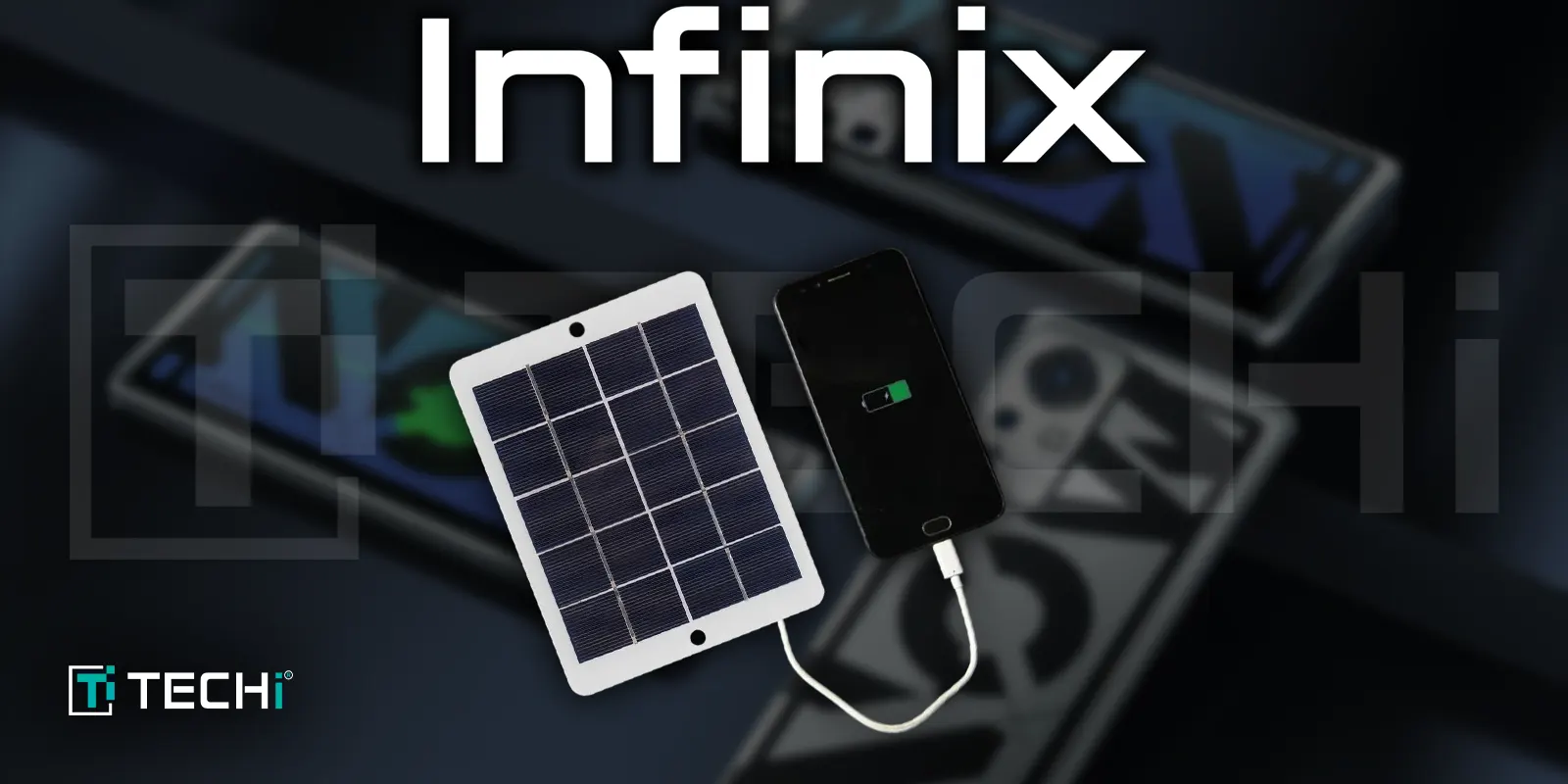
Let’s fast forward to the future and imagine, what if all smartphones are not wall-charged or power-banked but rather are enabled to charge through sunlight? This very dream is being unveiled by Infinix at MWC 2025 with the introduction of solar charging concepts. With a built-in solar panel on the back of the phone, it becomes the solar charging case that rethinks how we keep our devices charged and running. These concepts, although still in the experimental phase, show the prospect of a greener and more sustainable mobile technology.

At this year’s MWC, Infinix has made an eco-conscious decision by advancing solar phone charging solutions. The Chinese manufacturer, noted for pushing the frontiers of innovation, presented two revolutionary concepts: a solar panel integrated into a smartphone and a solar charging case. Although still in concept mode, both prototypes were fully working, thus indicating a possible future where solar energy can give an environmentally friendly charge to mobile devices.

Solar Energy-Reserving Technology:

Infinix’s Solar Energy-Reserving technology uses Perovskite Solar Cells, which are cheaper and thinner alternatives to silicon solar panels. This technology has also been applied to other concepts, including Anker solar beach umbrella and the concept of cloak. The system aims at the highest conversion efficiency of solar energy while managing panel temperature, incorporating the Maximum Power Point Tracking (MPPT) for voltage control. Due to the overheating hazards under solar irradiance, this regulation will avoid overheating and thus control damage.

Currently, this solar technology has a power output of up to 2W to charge the phone battery when not being used, rather than fully recharge it. The concept of a built-in solar panel on the phone sounds simple enough, but the solar charging case presents a lot of flexibility. It has been designed to connect through the small side contacts on a prototype phone and charge power directly into the device. This removable option allows users to switch in and out between a regular case and a solar-powered case, thus proving true practicality for some emergency situations, travel, or power outages.

Second Generation Color Changing E Ink Phone:

A more advanced second generation of color-changing E Ink phones with more personalization options was also present at Infinix. Instead of the previous model that requires plugging to change color, the new one runs on internal rechargeable batteries, giving the user an increased level of customization. Users can now choose designs and color palettes, even the ability to generate colors from an image or dynamically change colors according to weather. Just as it goes with the tech trends of 2025, Artificial Intelligence acts as the brain behind this feature and adds yet another level of personalized experience that users can utilize.

Sustainable Future:

The recent innovations of Infinix will, therefore, provide evidence for a growing trend toward renewable energy solutions among consumer electronics. Solar charging might be just on the verge of beginning, but these innovations will lead to a more energy-efficient and eco-friendly smartphone in the near future. Concepts like solar charging accessories and AI customization may soon become mainstream, with a consequential influence on the future of mobile devices, as the demand rises for sustainable technology. While these distinct features are still only concepts, they present a vision of what a future of environmentally responsible, smart, and energy-efficient phones could be like. With the rising consumer demand for longer battery life and eco-friendliness, Infinix’s experimental designs are quite a hype and stand at the forefront of the next phase of smartphone innovation.

Read More: Samsung Expands AI-Powered Galaxy A-Series with Three New 5G Models
Samsung Expands AI-Powered Galaxy A-Series with Three New 5G Models
The two major players in mobile technology duel – Samsung and Apple are competing with each other for supremacy in AI and mobile technology. Samsung and Apple have been among the leaders in the world for mobile technology and both have made considerable steps in the AI-infused cellular phone market. With technology improving everyday, the mobiles prices have seen an upward trend in recent year. But lately, in surprising turn of event, a good trend has started, mobile companies are recognizing the potential in cheaper mobiles. Normally, you would associate Apple with expensive mobile iPhone models only. But recently, they launched a cheap AI-based iPhone 16e. Now, Samsung has also released three mobiles that have new AI features enabled.

Samsung’s AI-Powered A-Series

Samsung unveils of three AI-Powered models in their popular A-Series, a bold move towards competition. It comes days after Apple revealed its cheaper iPhone 16e. Samsung is leveraging its own AI capabilities along with Alphabet’s Google, which operates the Android AI Operating System used in Samsung mobiles. On the contrary, Apple is pursuing its own Apple Intelligence suite with other AI systems. There is Open AI’s ChatGPT and AI solutions from Alibaba, which Apple is reportedly adopting for its devices in the USA and China respectively.

Here’s a breakdown of Samsung’s new AI-powered A-Series models and their pricing:

  • Galaxy A26 is priced at US$299.99
  • Galaxy A36 comes at $400
  • Galaxy A56 is available for $500

The Future of AI in Smartphones

The way things are moving forward, we can expect more intelligent features, more sophisticated personalization from all mobile companies worldwide. With the intense competition in mobile AI technology, we expect it will turn mobiles into intelligent assistants that will help with day-to-day activities of the people. This is a very good initiative, and people all over the world will benefit from the cheap prices, making AI more accessible to users. With the competition intensifying, we believe the next generation of mobile phones is very near. Soon, current mobiles will be a thing of the past, just as we now reminisce about the famous Nokia 3310.

Read More: Samsung Galaxy A56 Unveiled with AI Upgrades at a Budget-Friendly Price

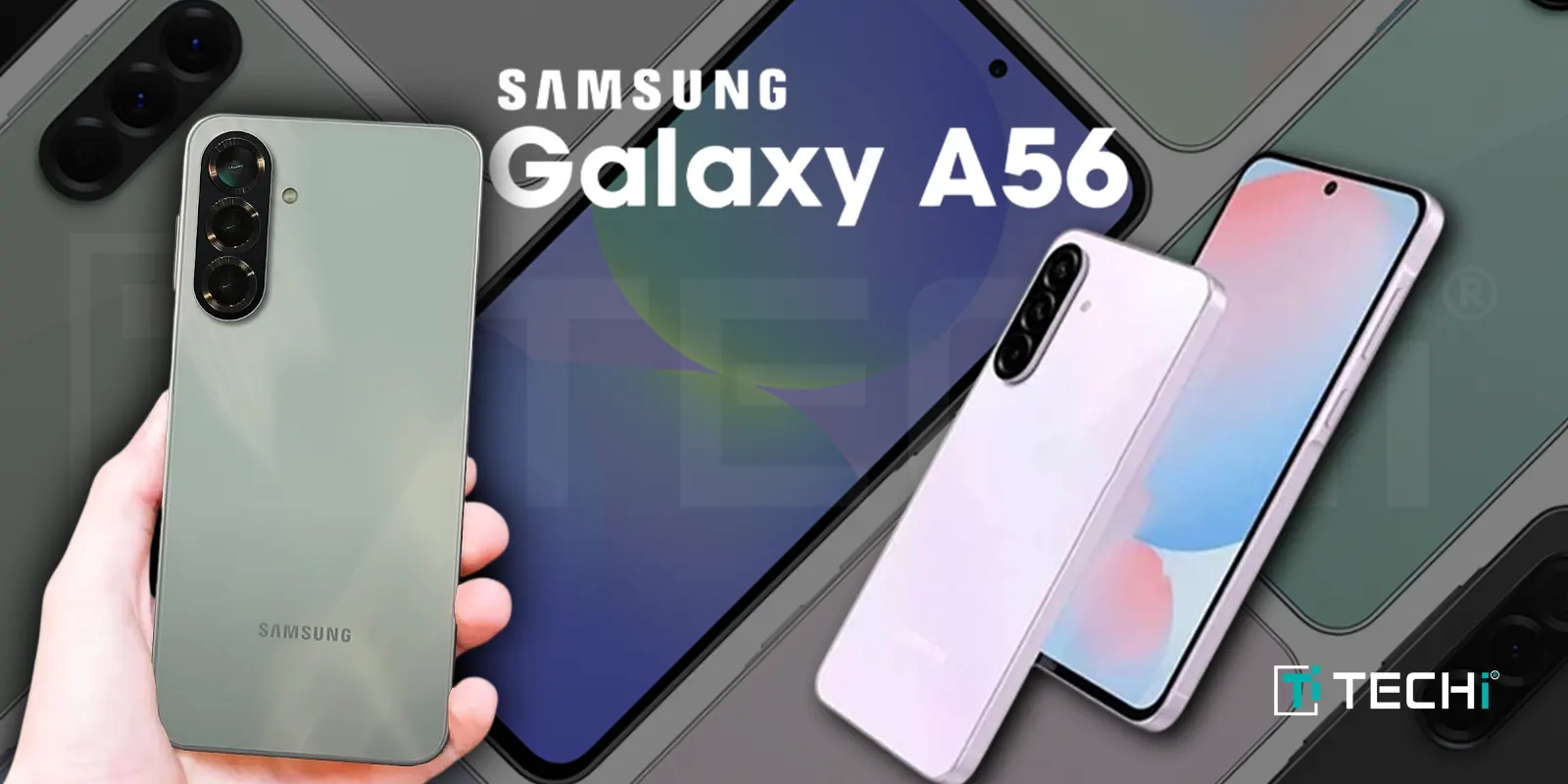
Samsung Galaxy A56 Unveiled with AI Upgrades at a Budget-Friendly Price

Not too long ago, AI-powered features were found in costly mobile phones. However, Samsung is altering this tendency by incorporating capable AI tools into its affordable Samsung Galaxy A56, A36, and A26 mobile models. Though these phones may lack major hardware renovations, the objective is clear: Samsung wants to bring brilliant AI abilities to more individuals without the top-tier cost. Is this enough to distinguish them in the competitive mid-range phone market? Let’s examine this more closely.

Artificial Intelligence Capabilities Now Accessible in Budget Phones

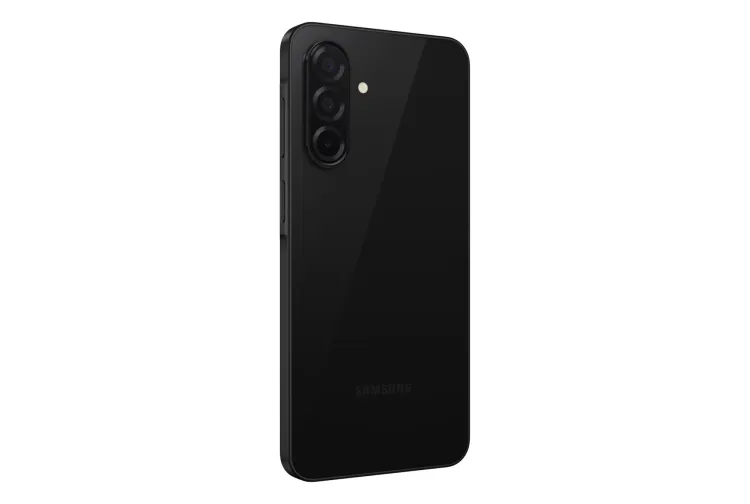
Samsung Galaxy A56 in black

Samsung is promoting its new AI-driven instruments as “remarkable intelligence,” a fun way of saying that inexpensive phones are becoming brainier. One of the handiest fresh features is Best Face, an AI-guided instrument that enables you to swap expressions in group images. If someone blinks or gazes away, Samsung’s AI can fix it. This resembles Google Pixel’s Best Shot, which debuted last year. Another significant addition is Google’s Circle to Search, which allows you to look for anything on your screen merely by encircling it.

This feature was first unveiled in Samsung’s high-end phones but is now available in the budget-friendly A-series. Samsung has also improved its AI-powered object elimination tool, making cleaning up undesirable parts of your photos simpler. Most significantly, Samsung is extending software program support, providing six years of Android OS and security updates. This implies that A-series users will get longer-lasting performance and security updates—a major win for cost-conscious buyers.

Design and Hardware: Small Adjustments, Big Impact

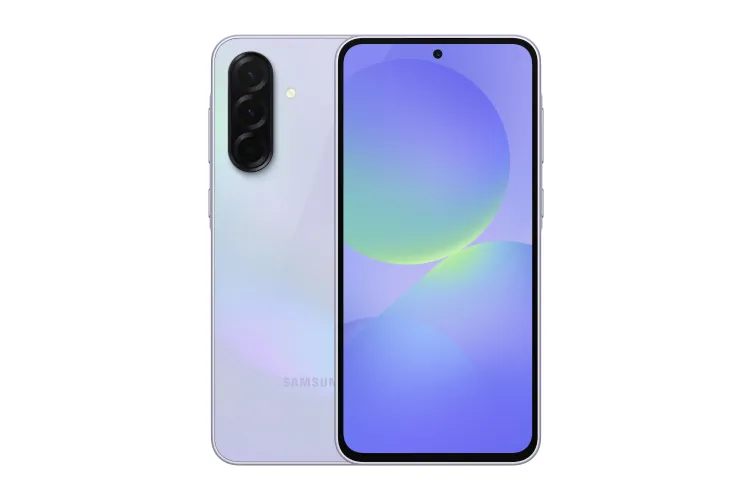
Samsung Galaxy A36 in Awesome Lavender

While AI is the headline feature, Samsung has made subtle design changes to enhance the overall look and feel of the A-series.

  • New Oval-Shaped Camera Module: Provides the phones with a more premium appearance.
  • Bigger Displays: All three models now feature a 6.7-inch Full HD+ display with a 120Hz refresh rate, making them smoother and more immersive.

The Galaxy A36 has a dazzling Awesome Lavender hue and boasts a vibrant 6.7-inch Full HD+ display.

Under the hood:

Samsung has added IP67 dust and water resistance to the A26 for the first time, making it more durable than before. The Galaxy A56 receives a fresh Exynos 1580 chipset, whereas the A36 sticks with the older Snapdragon 6 Gen 3—both the Samsung Galaxy A56 and A36 support 45W fast charging, unlike the A26, which lacks this feature.

Costing and Availability

Samsung has strategically priced the A-series phones to cater to different budgets:

  • Galaxy A56$499, launching later this year in the US (£499 in the UK on March 19th)
  • Galaxy A36$399, available March 26th at Best Buy (£399 in the UK)
  • Galaxy A26$299, debuting March 28th (£299 in the UK)

Is Samsung’s AI Push Enough to Make an Impact?

Samsung’s decision to bring AI to its budget phones is a smart move, but will it be enough to convince buyers? Many consumers still prioritize hardware aspects like camera quality, battery life, and overall performance over AI-powered features. However, as AI technology continues to shape how we use smartphones, Samsung may be setting a new trend that other brands will soon follow. Will AI features become the key selling point for budget phones? Or do buyers still prefer traditional hardware upgrades? Let us know your thoughts!

Read More: Microsoft Has Officially Announced Skype Shuts Down in May

Nokia and Cellcard Collaborate to Elevate Cambodia Fiber Broadband Network

Phnom Penh, Cambodia – February 13, 2025 – In a significant move to enhance Cambodia’s digital infrastructure, Nokia and Cellcard have announced a partnership to upgrade the nation’s fiber broadband network. This initiative will transition the existing Gigabit Passive Optical Network (GPON) to the advanced 10-Gigabit Symmetrical Passive Optical Network (XGS-PON) technology, utilizing Nokia’s Lightspan and Altiplano solutions. The upgrade aims to deliver ultra-fast internet speeds of up to 10 Gbps to both residential and business customers across key cities, including Phnom Penh and Siem Reap.

Enhancing User Experience with Advanced Technology

The deployment of Nokia’s Lightspan Optical Line Terminals (OLTs) and the Altiplano Access Controller is set to improve network performance significantly. The Altiplano platform offers a cloud-native suite of network management and Software-Defined Networking (SDN) control functions, enabling Cellcard to automate operations and optimize broadband services. This modernization is poised to support high-bandwidth, low-latency applications such as Augmented Reality (AR) and Virtual Reality (VR), catering to the evolving demands of consumers and businesses alike.

Leadership Insights

Asitha De Costa, Chief Information Officer of Cellcard’s ICT Division, emphasized the company’s dedication to delivering superior network experiences: “We are committed to providing our customers with unparalleled digital services. Collaborating with Nokia allows us to enhance our residential broadband offerings, ensuring our subscribers can seamlessly engage with high-bandwidth applications like gaming, while also improving network efficiency through automation.”

Ajay Sharma, Head of South-East Asia North Sales, Network Infrastructure at Nokia, highlighted the significance of the partnership:

“Our proven Lightspan and Altiplano solutions will empower Cellcard to modernize its fiber broadband network, reducing power consumption and lowering carbon emissions. This collaboration underscores our strong partnership with Cellcard and reinforces our commitment to advancing Cambodia’s digital infrastructure.”

Strategic Implications and Future Prospects

This upgrade not only positions Cellcard to meet the increasing demand for high-speed internet but also aligns with global trends in fiber network advancements. The move to XGS-PON technology ensures scalability, allowing for future evolution to 25G PON as customer needs grow. By investing in this next-generation infrastructure, Cellcard is set to maintain a competitive edge in the telecommunications sector, offering enhanced services that cater to the digital aspirations of Cambodia’s populace.

Industry Context

The telecommunications industry is witnessing a global shift towards XGS-PON technology, driven by the need for higher bandwidth and more reliable internet services. This upgrade by Cellcard mirrors similar initiatives in the region, such as StarHub’s recent collaboration with Nokia to deliver nationwide 10 Gbps services in Singapore. These developments underscore a broader commitment within the industry to support emerging applications and services that demand robust and high-speed connectivity.

Conclusion

Nokia and Cellcard’s partnership marks a pivotal step in Cambodia’s digital transformation journey. By embracing advanced fiber Cambodia broadband technology, they are not only enhancing current service offerings but also future-proofing the network to accommodate forthcoming technological advancements. This initiative reflects a shared vision to provide Cambodian consumers and businesses with the digital tools necessary to thrive in an increasingly connected world. Please visit their official product pages for more information on Nokia’s Altiplano Access Controller and Lightspan FX fiber access nodes.

Stay updated with Techi for the latest developments in fiber broadband and global telecommunications innovations.

Read More: Huawei Dominates Global FTTP Market with its MA5800T Smart 10G OLT Series

Huawei Dominates Global FTTP Market with its MA5800T Smart 10G OLT Series

With the constantly evolving need for high-speed internet and advanced fiber optic networks, telecommunications operators are on the go in search of cutting-edge solutions for their network performance, scalability, and seamless integration. According to the newest FTTP Competitive Landscape Assessment from GlobalData, the OptiXaccess MA5800T smart 10G OLT series by Huawei has been rated on the first ranks and recognized with no peer capabilities in several metrics.

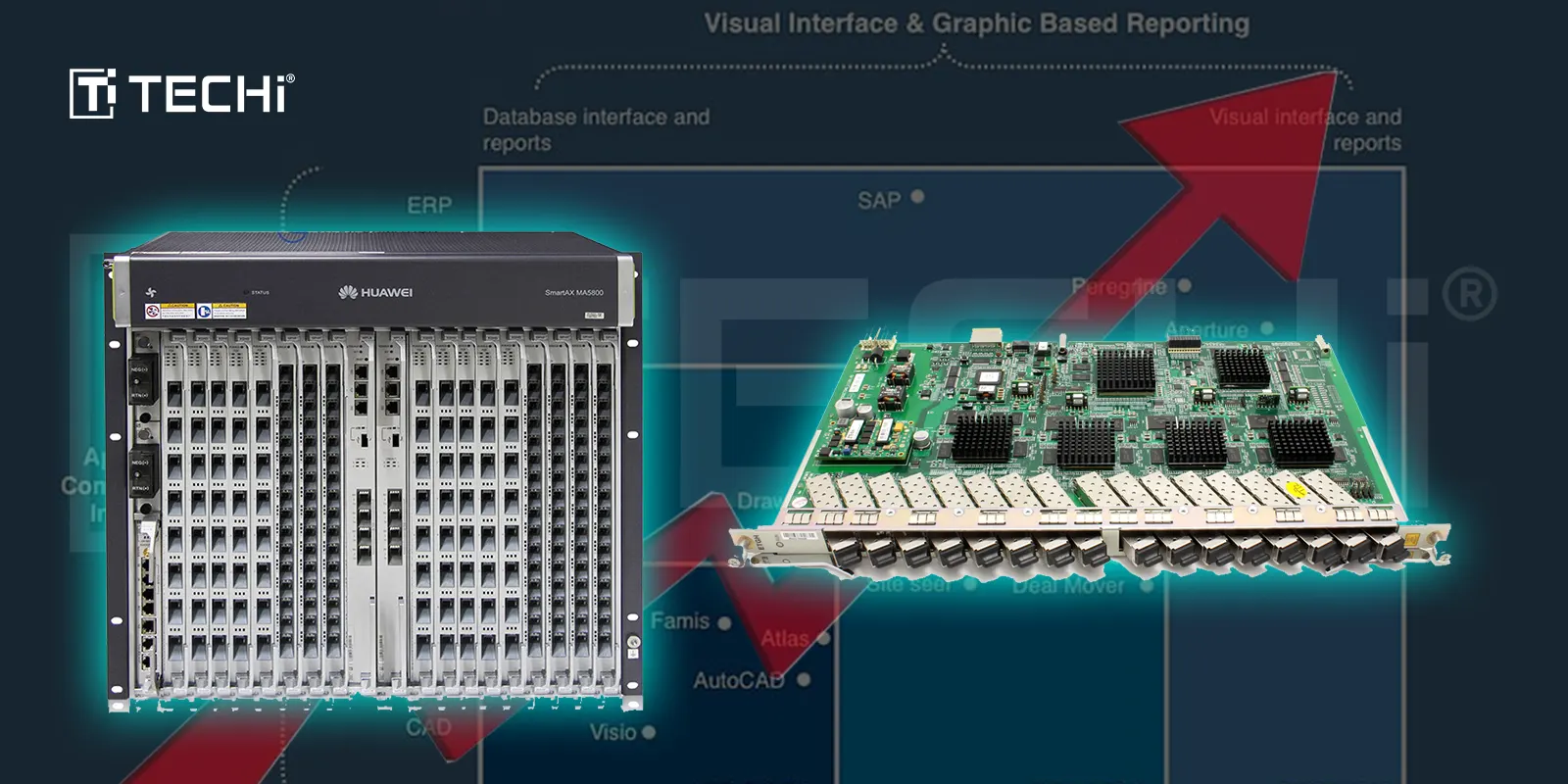
The OptiXaccess MA5800T smart 10G OLT series from Huawei has now been regarded as the highest ranking solution in the Fiber to the Premise (FTTP) Competitive Landscape Assessment, 2024, by GlobalData, a reputed consulting firm which specializes in the ICT industry. Assessing OLT products of five important global vendors, the report placed Huawei’s MA5800T series at No. 1 across all five key dimensions which are; density and scalability, backplane/system throughput capacity, ONT range, deployment flexibility, customer and market traction. This reinforces Huawei’s leadership in FTTP technology and strengthens its ability to offer high-performance future ready optical access solutions.

Advanced Features:

Compared with its peers in the industry, the Huawei MA5800T Series series features a special high-density architecture providing either 8 or 16-port symmetric or asymmetric triple-mode 50G PON to handle ever increasing demand for 10G connectivity. The series provides seamless data output with an industry leading, 1 Tbps per slot for optimizing upstream and downstream performance. It also incorporates vastly compatible features, as it can hold GPON ONTs together with 10G PON ONTs and 50G PON ONTs in one operation while ensuring compatibility with the network infrastructure it is attached to. In addition, the flexible deployment capabilities provide smooth upgrades without the need to change the existing optical distribution network (ODN), thus maximizing ROI for operators.

Global Presence:

Another factor behind Huawei’s top ranking is the global presence of more than 60 operators on the Huawei MA5800T Series. No other vendor can surpass the level of global presence achieved by the MA5800T series, and it is also the only ever commercially available OLT for 50G PONs. With its whole family designed for the 10G era, the MA5800T series has been the number one trade feature by combining advanced intelligence, ultra-large bandwidth, with a seamless upgrade path as an excellent operator and enterprise solution for implementing FTTP networks. With its ambition of changing the traditional bandwidth models into experience driven monetization, Huawei continues redefining future benchmarks in optical access technology across the industry in order to create the fiber networks of the next generation.

While the telecom world is quickly shifting towards next generation fiber networks, the MA5800T series by Huawei stands as a standard for innovation, efficiency, and long-term investment protection. GlobalData’s assessment ranks it on top in not only technical leadership but also reinforces how Huawei is committed to carrying forward the torch into the future of FTTP technology. Seamlessly upgrading networks with unmatched scalability and intelligent optimization is the next phase in digital transformation, which is all set for the future with Huawei’s MA5800T series.

Read More: Apple’s iPhone SE 4 Leaks, Reveals New Design and Features

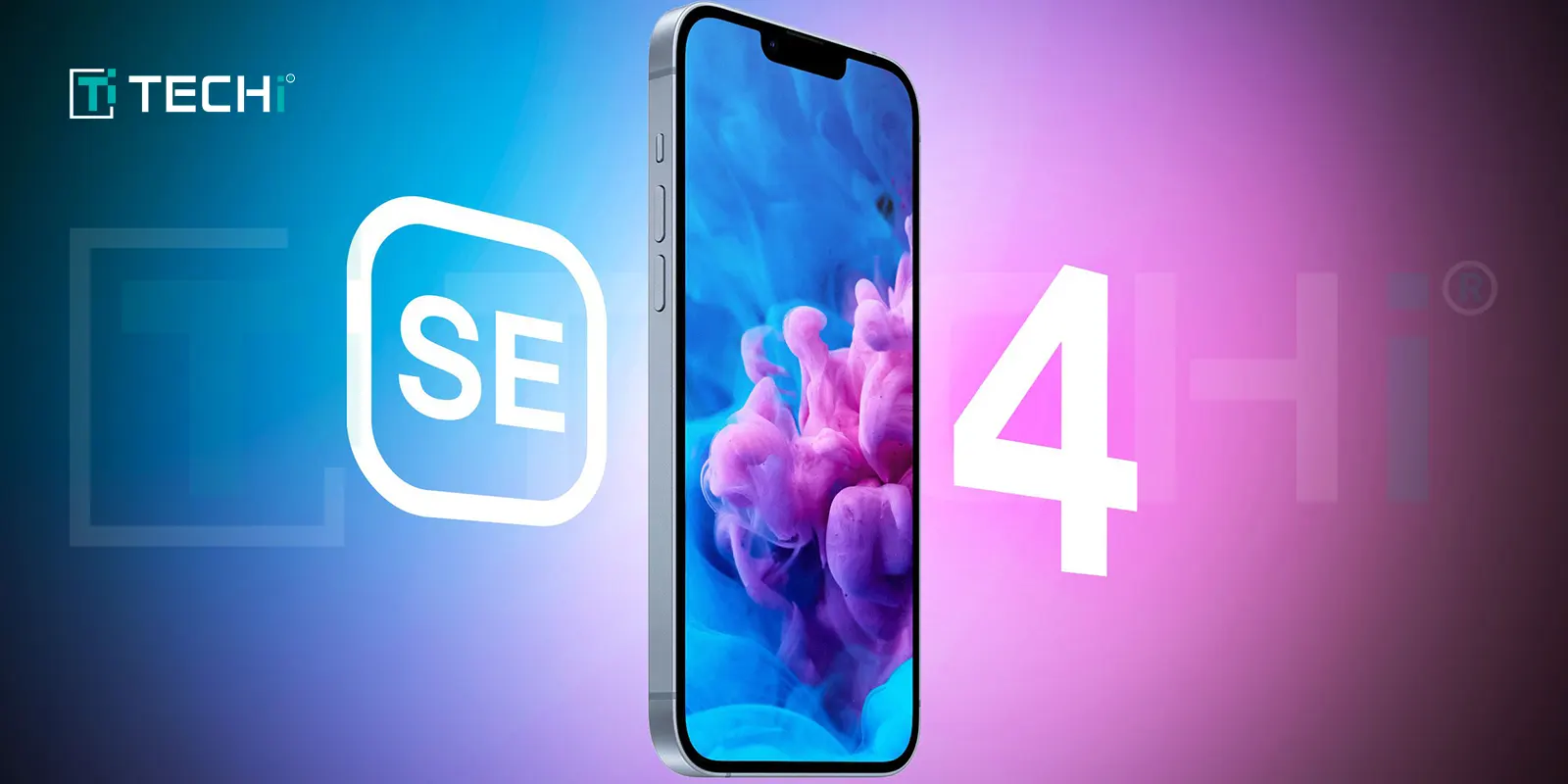
Apple’s iPhone SE 4 Leaks, Reveals New Design and Features

The whole iPhone SE series for Apple has been a nostalgic nod to the past, whereas out there, the whole world is charging ahead with dynamic islands, multi-camera setups, and everything is AI-powered, but now the iPhone SE 4 looks like it might have a glow-up. The design leak suggests this could be the first time Apple may not be using retro design in the iPhone SE lineup for a while now. Thus, it might be just about time to say goodbye to your dear home-buttoned SE and actually get a Face ID like the rest of the lot.

Apple is rolling out updates for its budget friendly iPhone SE, and the iPhone SE 4 will totally be different in a way that it will change its typical way. This has long been anticipated and much awaited, as it finally brings the longtime old model closer to that of the modern designs and great features replaced with those of the iPhone 14. An introduction of an even bigger 6.1-inch OLED display with Face ID support and 5G will make this phone a life changer for those who want to buy an affordable yet feature rich iPhone.

Modern Look with New Features:

From the information leaked by the case maker Spigen, the iPhone SE 4 is going to ditch its thick bezels and the home button seen on its previous models. Like the iPhone 14, it would feature some thinner bezels with a notch. A dual camera system that comes with iPhone 14 has been replaced with a single 48MP rear camera. With just one camera, the SE 4 boasts a massive upgrade from its predecessor. Though it already features a home button, the SE 4 is reportedly being further improved into this by being equipped with Apple’s Face ID technology. The set also includes most of Apple’s other iPhone models, so the device isn’t meant to be any different.

Rumour has it that the iPhone SE 4 will contain an A18 Bionic chip, which has become synonymous with even the cheap kinds of iPhones that exist. All this would possibly contribute to higher speed, improved efficiency, and greater battery life. It is also claimed that the phone is going to have 8 GB of RAM, which makes even smoother operation in numerous tasks. The most substantial change includes the USB-C port, steering away from Apple’s traditional Lightning port. In this diversion, Apple falls in line with USB-C in all its products and also assures better compatibility with third-party accessories and better speed for fast charging in the future.

Budget Friendly:

It would seem unlikely that Apple would hold a major event to launch the SE 4. It is rumored that the iPhone SE 4 may be presented via YouTube and a press release on February 11, 2025. Pricing continues to remain unknown, but speculation suggests a launch price just below $500 (roughly Rs.49,000 in India). Although this is slightly more than prior SE editions, it still represents a good choice for budget conscious smartphone users compared to some of Apple’s other flagship offerings.

The SE 4 could be an option for those who want a modern iPhone without spending too much, but weigh your requirements beforehand to see if the iPhone SE 4 really meets the bar set by your expectations. With a completely reworked design, improved performance, and a reasonable price, Apple would be hoping to win over a lot of users with this budget friendly iPhone.

Read More: Apple May Reveal Next-Gen iPhone SE in Upcoming Event

Your Favorite App Might Be Gone! Apple & Google Removed Dangerous App

Apple and Google, both have a track record of having apps causing malicious threats and user privacy risks. Not only in 2025, where they pulled as many as 20 apps from their respective app stores when found researchers that they were carrying data-stealing malware. Also in 2019, where both of the tech giants were accused of having malicious advertising apps in operation. The group behind the app became more sophisticated attacking both the Android and iOS ecosystem.

Backstory:

It all started in March 2023, when ESET researchers discovered that cybercrimes have found a new way of stealing user privacy. They were implanting malware embedded into various messaging app mods. Some of these scanned users’ image galleries in search of crypto wallet access recovery phrases. The most shocking part was this was happening in around 80 Android Apps and 9 in the Apple App Store, all applications were downloaded at least 13 million times. Huge Risk.

The same signs were found in 2025 as well when security researchers from Kaspersky discovered malware activities in SparkCat. Initially, it was diagnosed in a UAE food app but later found the signs in 19 others which were downloaded more than 242,000 times by Google’s Play Store.

Cryptocurrency at Risk?

This time the main target was cryptocurrency, however, other removed app names weren’t disclosed. They were using OCR (Optical Character Recognition) which uses code designed to capture text visible on the user’s display. Researchers found the malware scanned the image galleries on victims’ devices to find recovery phrases (keywords) for cryptocurrency wallets across various languages, including English, Chinese, Japanese, and Korean.

By doing so, they could gain complete control over a victim’s wallet and steal their funds. Not only money, they can extract your personal information from screenshots and messages. Google somehow protected their users from this known version of malware through the built-in Google Play Protect security feature.

Upon raising concerns, Apple & Google both removed compromised Apps from their respective stores last week. 

According to Fernandez (A google spokesperson), All the identified apps are removed from Google Play and Develops making it are banned Apple hasn’t responded to any questions yet but somehow the real question is:

Will Tech Giants be able to tackle user privacy concerns and make their platforms safe and secure? Or will they continue their mistakes and let huge cyber crimes be committed on their platforms?

Stay tuned to learn more.

Read More: BRKZ Bags $17M to Digitize Construction Procurement in Saudi’s $3T Boom

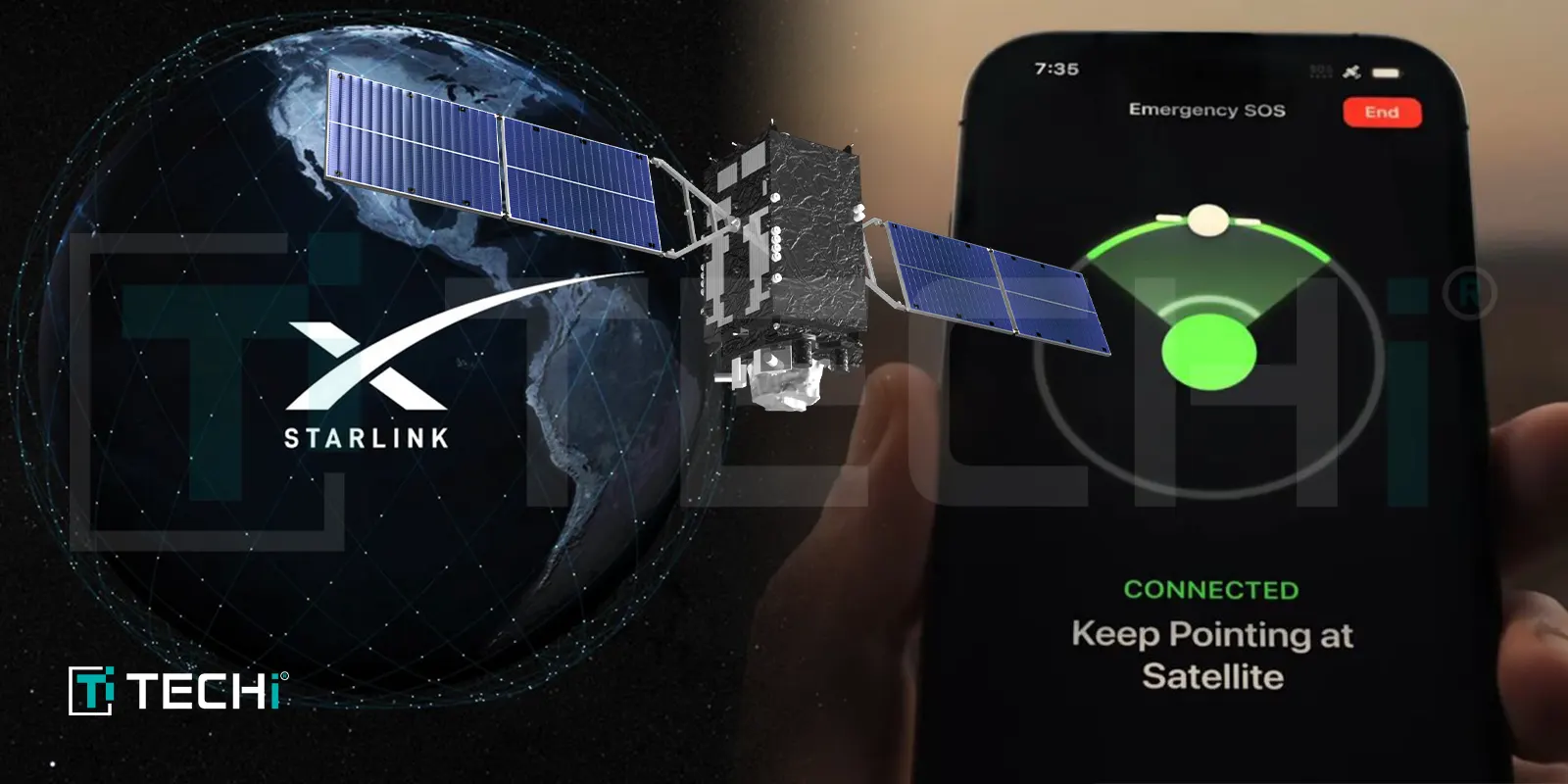
T-Mobile’s Game-Changing Collaboration with Starlink has begun Nationwide Testing of Satellite-Based Connectivity

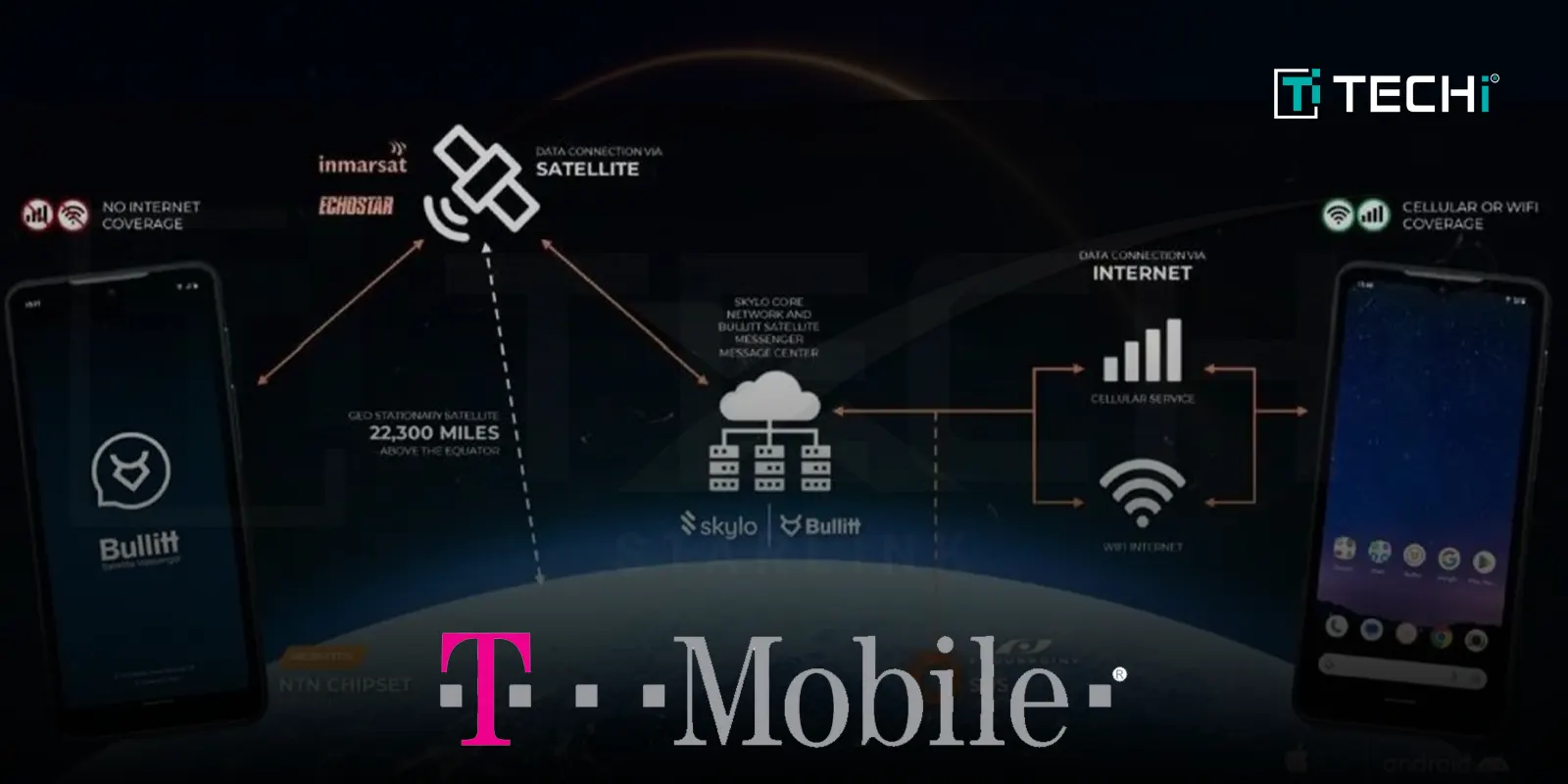
For several years, mobile dead zones were an unavoidable source of annoyance, whether it was on the hike in the mountains, a drive on those long rural highways or standing alone in one of the most peculiar corners of a house where calls mysteriously drop. Thanks to T-Mobile and SpaceX’s Starlink, the two companies have now officially launched widespread testing of their satellite-to-cell service that aims to push mobile access to even the remotest locations. If you text “HELP” from a remote island and no one replies, at least you’ll know it’s personal. 

Game-Changer and edge in the Wireless Market:

T-Mobile, last Sunday launched a beta trial of the satellite service to allow such customers to send text messages via satellite. The company will make the service available for free to beta testers until July, after which it will be a standard offering in T-Mobile’s premium plan, Go5G Next, with no additional charges. Other T-Mobile customers can opt into the service for an additional $15 per month after the launch this summer.

Company estimates that about 500,000 square miles of the U.S, previously unreachable by traditional cell towers, will stay connected. Text messages are the first step, voice and data capabilities are expected to follow, hence eventually keeping the uninterrupted mobile coverage alive. Its market partner has given T-Mobile a competitive edge in relation to its competition.

This aspect also connects T-Mobile to other smartphone manufacturers such as Apple and Google to integrate the satellite connection capability into the operating systems. As Mike Katz, T-Mobile’s president of marketing, strategy and products, said, “T-Mobile has been working closely with Apple and Google to ensure that this experience is integrated directly into their OS (operating system), and this will be the default satellite system across both of those phones”.

He emphasized on the service’s performance on nearly all smartphones of the last four years, indicating no need for new devices or specialized hardware. Katz said, “This is something that nobody else in the U.S. has done, and one of the big distinctive things this network has is that it works across almost all smartphones from the last four years”.

T-Mobile has also opened its satellite service to rival customers, specifically those from AT&T and Verizon, without the requirement of switching networks. Katz said, “Customers who sign up for the trial will get a 33% discount when the service is commercially launched”. It seems that this could mark a paradigm shift in the way telecom companies will require cross-network cooperation on improvements in infrastructure.

Future of Satellite-Enabled Mobile Networks:

Satellite technology is the next frontier that mobile networks compete for as they strive to achieve universal connectivity. While T-Mobile and Starlink are taking the lead, the vision of customers of the extinction of “no service” zones will be a reality in the future. The trial invitation gives customers a glimpse of the future when portable companies will no longer be limited to cell towers but would attain a vast reach of a limitless space.

Read More: Starlink Satellite Access for the iPhone is a progressive groundbreaking approach; Apple’s latest update

Apple Intelligence suite brings in inclusivity and goes multilingual

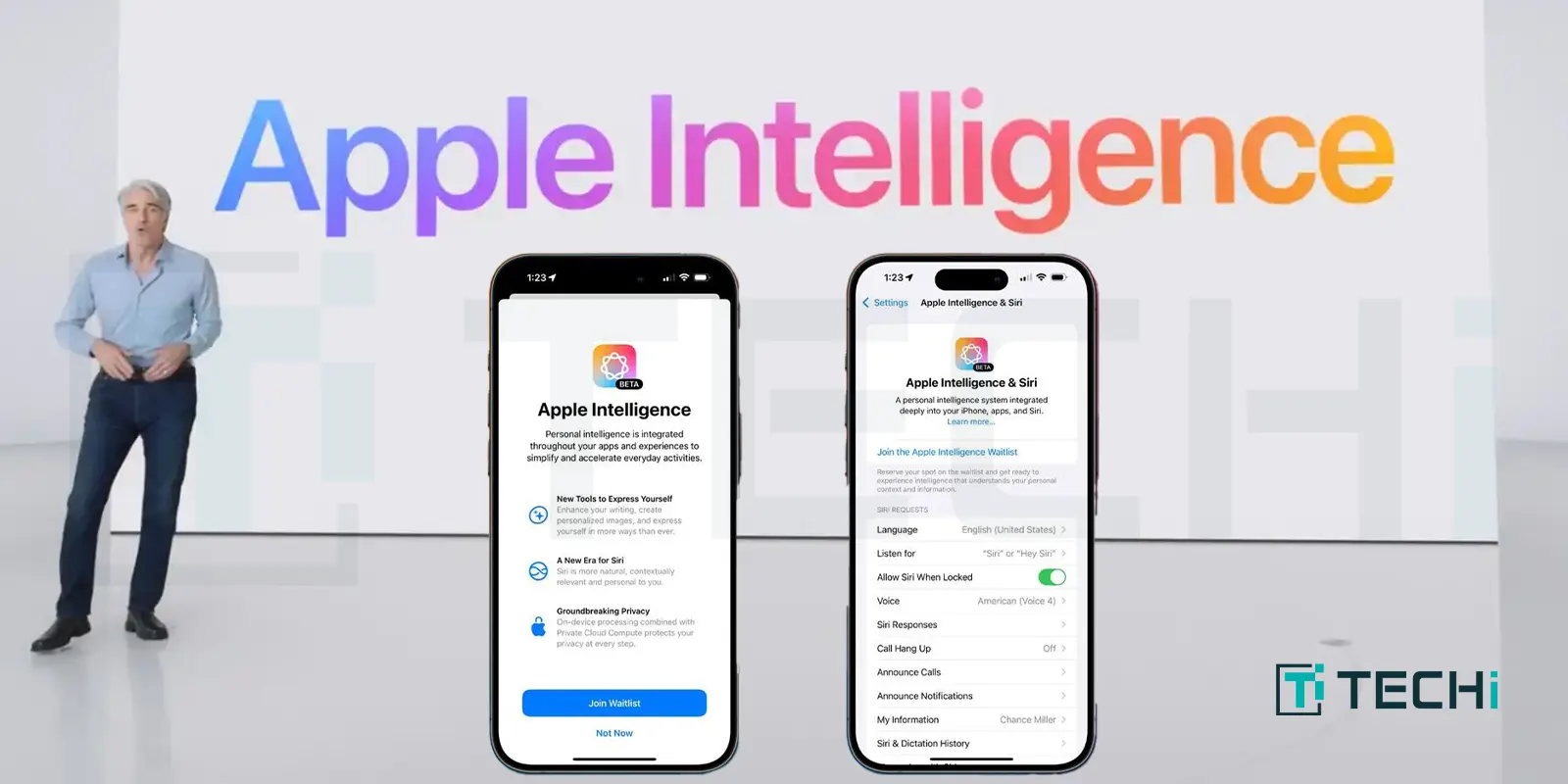
As we are entering into an advanced future, it’s time for Apple intelligence to become multilingual. In order to make its AI more accessible worldwide, Apple is broadening its horizon by supporting other languages and incorporating it in its system. The emergence of Apple’s ability to learn new languages is mainly due to the fact that not everyone speaks English with a Siri-like accent.

This signifies a major focus on what the world requires and not what the company implies, this shifts the future approach of bringing in advanced features. Launching in April, the CEO of Apple, Tim Cook affirmed that the Apple Intelligence (AI suite) would support and incorporate other languages in different parts of the world, during Q4 2024 earnings call.

Apple’s AI Suite integrating more languages:

Apple Intelligence service will support languages other than U.S English and the update will include French, Italian, Portuguese, Spanish, Japanese, Korean and Simplified Chinese, all these languages will be supported. Furthermore, English access on the local level will be made available for India and Singapore. Apple Intelligence (AI suit) was first introduced in America in the English language. Support for iOS 18.2 was expanded in December, resulting in the inclusion of English localizations for Australia, Canada, New Zealand, South Africa, and the U.K.

There has not been any announcements regarding launching Apple’s AI suite in China or the European Union. Cook highlighted the language expansion and revealed that the next Siri will be launched in the near future, with enhancements to the on-screen context awareness. This update is designed to make things more user-friendly while also allowing users to integrate Apple’s AI into their daily lives more effectively. Apple Intelligence is getting smarter, more global, and more useful, let’s just hope it doesn’t start talking back in every language.

Read More: Starlink Satellite Access for the iPhone is a progressive groundbreaking approach

Starlink Satellite Access for the iPhone is a progressive groundbreaking approach; Apple’s latest update

Apple’s updates always give us groundbreaking, innovative features. A recent report indicates, Starlink satellite network now integrated into Apple’s latest iPhone software platform, the iOS 18.3 release, is said to be a result of collaboration with SpaceX and T-Mobile. According to Mark Gurman, “Apple Inc. has been secretly working with SpaceX and T-Mobile US Inc. to add support for the Starlink network in its latest iPhone software, providing an alternative to the company’s in-house satellite-communication service.” 

Game changing updates:

The tech-enabled update that is not being widely delivered has been called ‘unexpected’ by Gurman, and that T-Mobile’s prior option to deliver emergency messages via Starlink satellite was restricted to Samsung phones. In contrast, Apple adopted the Globalstar network in its satellite emergency service. The announcement of Apple’s latest update on X was made by Mario Nawfal, founder of IBC Group, who called it a “game changer”. Elon Musk expressed that the new Starlink direct to phone constellation should be able to support images with high resolution, music, and audio podcasts, through sharing Nawfal’s comment, “Medium resolution images, music and audio podcasts should work with the current generation Starlink direct-to-phone constellation.

Next generation constellations will do medium resolution video.” T-Mobile beta testers enabled a few iPhones on the network to play moderately high-quality video and were notified stating they were in Starlink beta and stay connected to satellite messaging from anywhere. Users wanting coverage beyond iOS 18.3 must update to this version for updated features. 

To control the satellite feature, the program’s participants are given a new toggle switch in their iPhone cellular data settings. According to Gurman, “Users in the program have a new toggle switch in their iPhone cellular data settings to manage the satellite feature.” While texting was the main focus in the first version, SpaceX and T-Mobile are planning to offer data connections and voice calls next. T-Mobile’s iPhone will be automatically connected to the SpaceX satellite when cellular connectivity is lost and while the number of iPhones in the beta is currently limited, T-Mobile plans to extend the program in future.

Read More: Apple Miami Worldcenter opens Friday, January 24, in downtown Miami