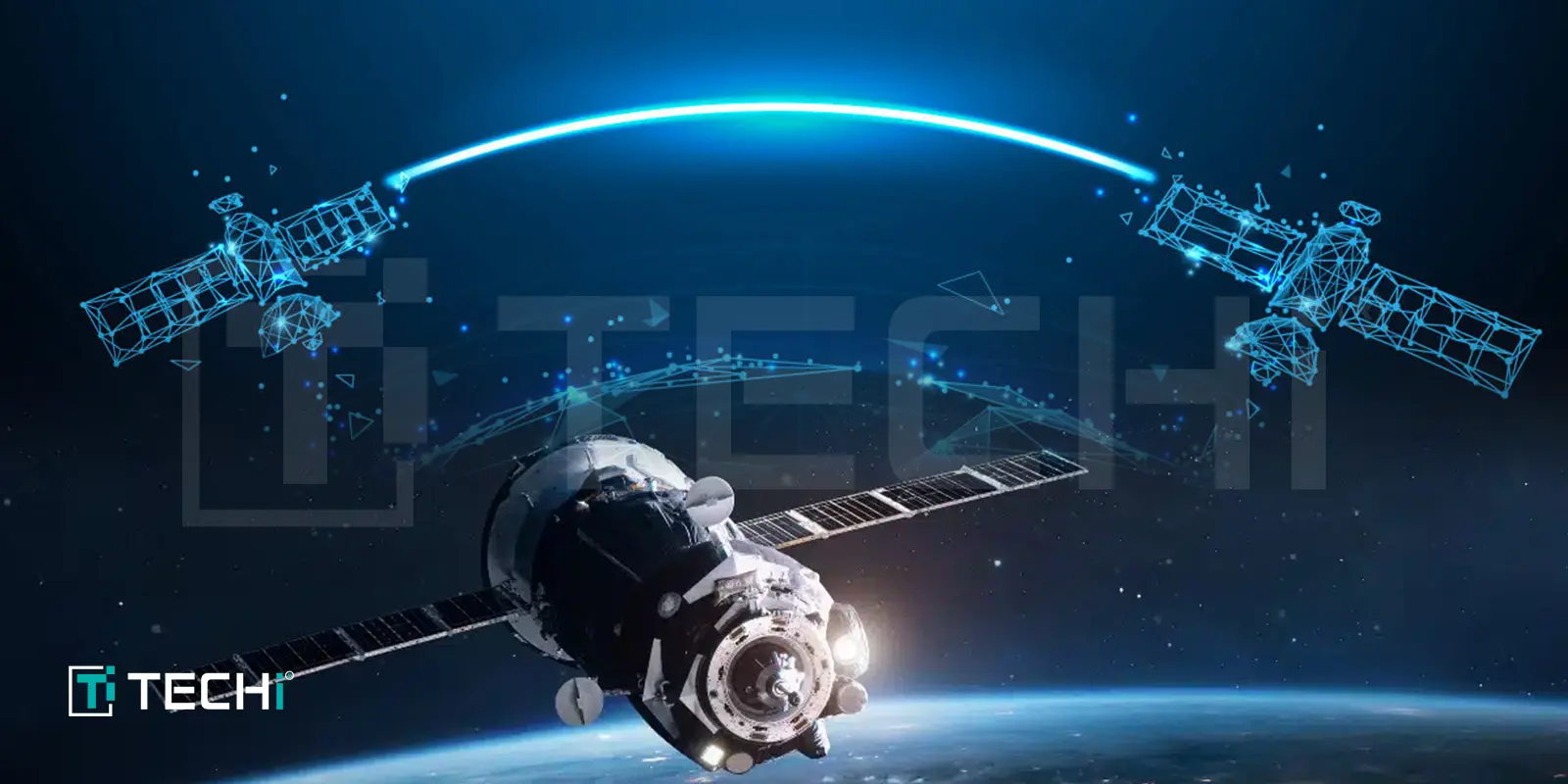
NIGCOMSAT Partners with OneWeb for Advanced Satellite Connectivity in Nigeria

A Groundbreaking Partnership:

The Nigerian Communications Satellite Limited (NIGCOMSAT) has made history by entering a multi-year agreement with Eutelsat OneWeb to provide Low Earth Orbit (LEO) satellite services to Nigeria. This partnership is to deliver high-speed, low-latency internet connectivity across various sectors from government services, businesses, and rural communities. The company has much hope from this alliance as it is a step towards bridging Nigeria’s Digital Divide. Jane Egerton Idehen, managing director of NIGCOMSAT, explained how the new deal can help close digital divides across Nigeria with remote communications, Mobile connectivity, and offshore operations in place for addressing gaps in coverage of the country’s underdeveloped areas. She stated, “This partnership marks a major milestone for NIGCOMSAT, allowing us to bridge Nigeria’s digital divide with OneWeb’s advanced LEO satellite technology”.

Focus on Innovation and Digital Transformation:

The collaboration is aimed at fostering innovation and speeding up digital transformation in Nigeria. Through pooling their resources, NIGCOMSAT and Eutelsat OneWeb create scalable and reliable connectivity solutions catering to the various needs of the nation and reaching opportunities beyond the borders of Nigeria. With this partnership, NIGCOMSAT is closer to attaining its objectives and ultimately bringing high-quality connectivity to all Nigerians as the country heads toward more advanced digital inclusion and technological breakthroughs.

Read More: Design and types of GPS tracking units
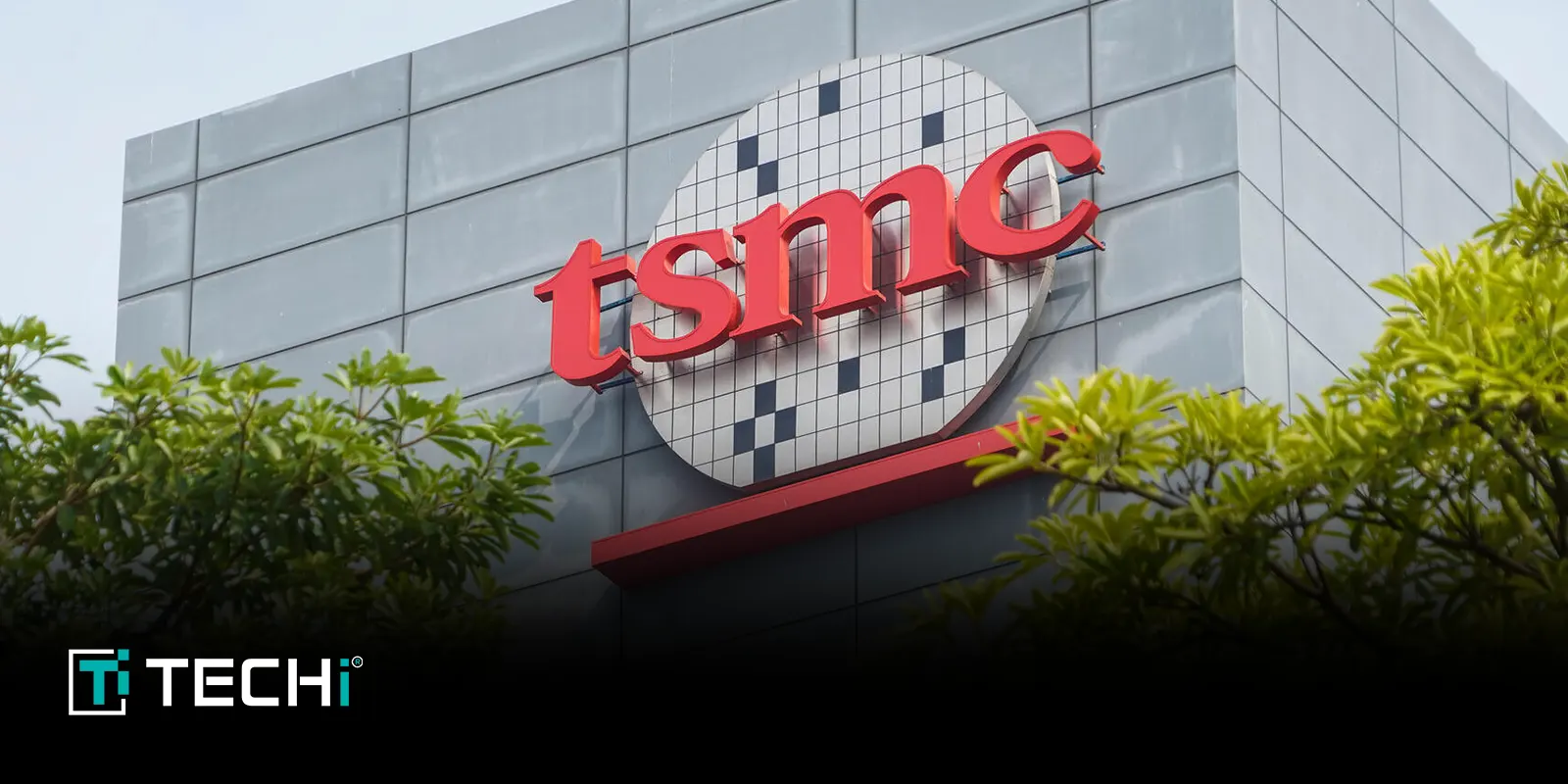
TSMC’s US Plant Unlikely to Get Latest Chip Tech before Taiwan, CEO says

TSMC’s new U.S. plant in Arizona is unlikely to receive the most advanced chip technology before the company’s factories in Taiwan due to various regulatory, compliance, and local construction challenges, according to TSMC’s CEO, C.C. Wei.

Wei highlighted that building the Arizona facility has taken much longer than expected, at least double the time it took to construct plants in Taiwan. This delay, he explained, is due to complex permitting processes and the need for strict compliance at every stage. As a result, it will be difficult for TSMC to implement its latest chip technology in the U.S. before it is deployed in Taiwan.

TSMC, a key supplier of advanced chips to companies like Apple, is investing $65 billion in three large-scale factories in Arizona, aiming to boost the U.S.’s semiconductor production capabilities. However, TSMC has stated that the majority of its chip production will continue to take place in Taiwan.

Despite facing several challenges, including cost overruns, Wei expressed confidence that the Arizona facility would produce chips of the same quality as its Taiwanese counterparts. He is optimistic about the progress of the plant as it ramps up production.

The Arizona project has been delayed further by a shortage of skilled labor, supply chain disruptions, and the lack of established regulations for chip manufacturing plants in the U.S. TSMC has had to create 18,000 new regulations at a cost of $35 million, hiring experts to work with local authorities to address these issues.

Additionally, the cost of chemicals required for chip production in the U.S. is significantly higher than in Taiwan. As a result, TSMC has been forced to ship chemicals like sulfuric acid from Taiwan to Los Angeles, before trucking them to Arizona. The company has also had to relocate workers from Texas to Arizona to address labor shortages, further driving up costs.

Despite these hurdles, the U.S. government has been a strong supporter of the investment, offering a $6.6 billion grant to assist with TSMC’s efforts to diversify semiconductor production outside of Asia. U.S. Commerce Secretary Gina Raimondo recently confirmed that TSMC has already begun producing 4-nanometer chips for U.S. customers at the Arizona facility, marking a significant step in the country’s push for semiconductor self-sufficiency.

Read More: SpaceX company faced yet another setback while doing a test flight of its flagship rocket, Starship