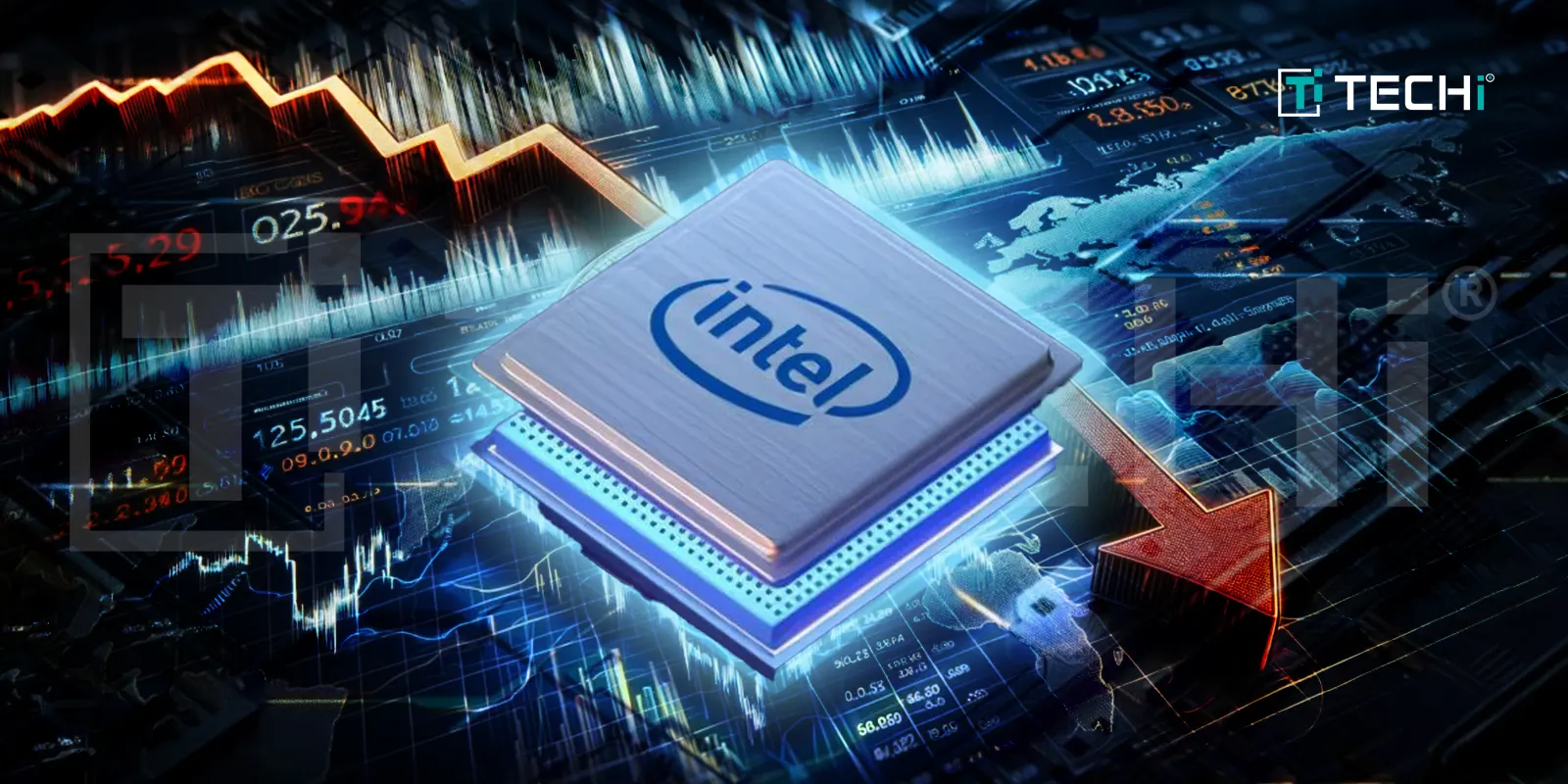
Intel Wins Lawsuit as Judge Dismisses $32 Billion Shareholder Claims Over Foundry Losses

In a dramatic courtroom victory, Intel defeated a lawsuit from its shareholders who claimed the company had hidden serious problems in its foundry business. The lawsuit accused Intel of misleading investors, leading to a massive $32 billion drop in its market value. However, a U.S. judge dismissed the case, saying there was not enough evidence that Intel intentionally deceived its shareholders.

As Judge Thompson pointed out, Gelsinger’s “growing demand” statements were made in the context of customer commitments and contract wins, not revenue.

There are no allegations that indicate defendants led investors to believe that the IFS reporting results for the fiscal year 2023 included results for the entire internal foundry model, The complaint itself misleadingly conflates IFS and the internal foundry.”

The principal issue at stake was whether Intel would have purposely misled investors. However, a U.S. judge dismissed the case on the rounds, saying that the shareholders did not have enough evidence to demonstrate intentional deceit on the part of Intel. He added that whatever major losses Intel’s foundry operations were accruing, it did not mean the company was dishonest. That was a big relief for Intel, which was already going through a very tough path in competition with other chipmakers like TSMC, Samsung, Nvidia, and AMD.

Intel’s stock plummeted 26% to $21.48 on August 2, following its quarterly earnings report, job cuts, and dividend suspension. By Wednesday, shares had dropped another 3.6%, closing at $18.99—marking a total decline of 34.6% since the announcement., reported by CNBC. Intel’s troubles worsened when they launched the Intel Foundry Services, so that they could compete directly with the giants. The goal was to manufacture advanced tech chips for other companies, but the venture already faced delays and was expensive, leading the operating losses to amount to $7 billion. As it worsened, Intel had to make difficult decisions, such as layoffs of about 15,000 employees and even halting dividends to save an estimated $10 billion by 2025.

The court case victory translated to an increase in the price of Intel’s shares, but it was marginal, showing relief by investors toward the court ruling. Experts argue that such a victory should not imply any solution to Intel’s major problems at such a moment. Certainly, the organisation would need to rehabilitate its foundry business and eventually showcase its abilities to contend against industry standards for fabricating advanced chips. Intel’s CEO Pat Gelsinger will have an arduous task ahead. However, he has already set into motion a turnaround plan based on measures to cut costs and hasten the development of new chips.

The company also invests heavily in new manufacturing plants and technology to close the gap with its rivals. While the court win buys Intel some time, it will be judged on its future delivery of plans and mining investor confidence anew. Intel’s victory shows that its legal strategy is strong, but it also makes one wonder if it could have communicated better with its shareholders to avoid this situation. Losing $32 billion is a big deal, so it’s understandable why shareholders were frustrated. Maybe Intel needs to focus more on being transparent about its risks and plans in the future.


China Restricts AI Leaders to Avoid US Travel Citing Security Concerns

A report by The Wall Street Journal (WSJ) states that Chinese officials have ordered the nation’s leading artificial intelligence (AI) researchers and top executives not to travel to the United States, citing increasing security fears. The new order is prompted by a fear that AI professionals might inadvertently share valuable information on China’s technological progress or be used as bargaining chips in U.S.-China geopolitics during detention. The WSJ’s report recalls the arrest of Huawei executive Meng Wanzhou in Canada at the behest of U.S. authorities in the early Trump administration, which escalated tensions between the two countries. With China and the U.S. engaged in a fierce AI race, Beijing is becoming more sensitive to the openness of its AI industry to foreign influence.

The issue is especially urgent as Chinese startup DeepSeek has recently launched AI models that aim to match or exceed top U.S. firms such as OpenAI and Google but at much lower prices. The U.S. government has imposed limits on China’s access to advanced AI technology, further fueling the technology rivalry. Chinese President Xi Jinping reaffirmed national security as a top priority while meeting with Communist Party officials and instructed them to prioritize cybersecurity and AI threats. As reported by the WSJ, Beijing has also ordered AI leaders who go overseas to preannounce their travel schedule and debrief the authorities after returning.

According to WSJ sources, DeepSeek founder Liang Wenfeng turned down an invitation to an AI conference in Paris earlier this year after the government’s advice. Another founder of a leading Chinese AI company is said to have canceled a scheduled U.S. visit last year after being instructed by Beijing. The White House and China’s State Council Information Office have not commented on the WSJ report. Beijing, however, is adamant about strengthening control over its AI industry and ensuring that China’s progress in the sector remains protected from foreign interference.

Read More: Samsung Galaxy A56 Unveiled with AI Upgrades at a Budget-Friendly Price

Google Announces Layoffs HR and Cloud Divisions Amid Cost-Saving Strategy

As Google continues optimising costs and restructuring operations, the company has announced new layoffs in its People Operations (HR) and Cloud divisions. The move is part of a broader effort to streamline business operations while increasing investment in AI infrastructure. Google informed its People Operations division employees that it will offer a voluntary exit program to U.S.-based full-time employees starting in early March. The initiative targets mid-to-senior level employees (Level 4 and Level 5), offering a severance package of 14 weeks’ salary plus one additional week for each year of service.

The layoffs align with Google’s cost-reduction priorities, as outlined by Finance Chief Anat Ashkenazi, who recently emphasized the company’s need to redirect spending toward AI development. Google’s recent Q4 earnings report highlighted strong demand for AI products but noted capacity limitations that require strategic investments.

Cloud Division Layoffs and Relocations

In addition to HR buyouts, several teams within Google Cloud have also been affected by internal restructuring. The sales operations, customer experience, internal deal, and go-to-market teams are among those impacted. Some of these roles are being relocated to India and Mexico City as part of the company’s effort to restructure global operations. Google confirmed the cloud division cuts, stating that reorganizations are a routine part of business operations. However, the company emphasized that the largest employee presence for its cloud business remains in the U.S. and that it continues hiring for critical sales and engineering positions.

Despite these layoffs, Google Cloud remains a high-growth unit, generating a 30% revenue increase year-over-year in Q4 2024. The company continues to compete with Amazon Web Services (AWS) and Microsoft Azure, leveraging AI-driven cloud solutions to expand its market share.

Google’s Strategy Moving Forward

This round of layoffs follows Google’s January announcement of workforce reductions in its Platforms and Devices unit, which includes Android, Chrome, Google Photos, Pixel, Fitbit, and Nest. The company maintains that streamlining operations is essential for long-term success as it prepares for massive AI-driven growth in the coming years. While the exact number of layoffs remains unclear, Google reassured that affected employees will receive support and opportunities to apply for other roles within the company.

Industry Reactions and Future Outlook

As tech giants continue to restructure their workforces, cost-cutting measures across major AI and cloud businesses are becoming more frequent. With companies like Meta, Amazon, and Microsoft also implementing similar workforce adjustments, the industry is shifting its focus to AI infrastructure and cloud computing dominance.

Read More: Meta Fires 20 Employees for Leaking Confidential Information

Meta Reportedly Planning $200 Billion AI Data Center Expansion Amid Growing Infrastructure Race

Meta is reportedly exploring a massive $200 billion investment in a next-generation AI data centre campus, signalling an aggressive push into artificial intelligence infrastructure. According to a report from The Information, Meta executives have been in discussions with data centre developers and have scouted potential locations in Louisiana, Wyoming, and Texas as part of the early planning stages.

However, a Meta spokesperson denied the report, stating that the company’s capital expenditure plans have already been disclosed, and anything beyond that is “pure speculation.” Despite this, industry analysts believe that such an expansion aligns with Meta’s growing AI ambitions, particularly after CEO Mark Zuckerberg confirmed last month that the company intends to spend up to $65 billion in 2024 to expand its AI infrastructure.

Tech Giants in a Race for AI Dominance

If the reported $200 billion project moves forward, it would dwarf Meta’s previous spending and position the company as a dominant player in the AI infrastructure race. Tech giants like Microsoft and Amazon are also ramping up their AI investments, with Microsoft planning an $80 billion investment in data centres for fiscal 2025 and Amazon expecting to surpass its $75 billion infrastructure spending from 2024.

Since the launch of ChatGPT in 2022, the AI sector has seen an unprecedented surge in investment, with companies across industries rushing to integrate AI-driven capabilities into their products and services.

Meta’s AI Ambitions and the Future of AI Computing

As Meta expands its AI and metaverse initiatives, its potential data center expansion could be critical to supporting its long-term artificial intelligence and machine learning advancements. Although official confirmation of the $200 billion project remains uncertain, Meta’s increasing AI infrastructure investments signal a fierce competition among tech giants to dominate the next era of AI-powered computing. Whether this rumored mega-campus materializes or not, the race to build the most advanced AI data centers is only intensifying.

Read More: After R1’s Success, DeepSeek Fast-Tracks Launch of New AI Model R2

Microsoft’s Strategic Shift in Data Center Expansion Raises Investor Concerns

Microsoft’s aggressive push into AI and cloud infrastructure has recently defined its growth strategy. Still, fresh reports suggest the company is now taking a more measured approach to its data center expansion. According to TD Cowen analysts, Microsoft has scrapped leases for several hundred megawatts of data center capacity in the U.S., a move that has caught investors’ attention and raised questions about whether the AI boom is hitting a slowdown.

The decision comes despite Microsoft’s commitment to investing over $80 billion in AI and cloud capacity this fiscal year. A company spokesperson acknowledged the adjustments but emphasized that Microsoft is still growing “strongly in all regions” and is simply pacing its infrastructure investments strategically.

Market Reaction and Investor Anxiety

While Microsoft’s stock remained largely unaffected, dipping only 1% on Monday, the ripple effect was felt across industries linked to data centers. Siemens Energy dropped 7%, Schneider Electric fell 4%, and U.S. power providers Constellation Energy and Vistra saw declines of 5.9% and 5.1%, respectively. The selloff extended to broader tech stocks, adding to growing market unease over whether the billions being poured into AI infrastructure will yield the expected returns.

Adding to the uncertainty is China’s rising competition in AI development. Chinese startup DeepSeek has showcased AI models at significantly lower costs than its Western counterparts, fueling concerns that companies like Microsoft may need to rethink their infrastructure spending to remain competitive.

A Sign of Oversupply or Just Smart Business?

Microsoft’s decision to pause or cancel leases could indicate a correction after years of rapid expansion. The company and rivals like Meta have been aggressively building data centers to support the surge in AI demand. However, as analysts point out, scaling AI infrastructure is costly, and companies are now balancing growth with financial sustainability.

Bernstein analyst Mark Moelder noted that the move could suggest a cooling in AI demand, especially following weaker-than-expected earnings from major cloud providers. However, not everyone is convinced this is a warning sign. Some industry experts argue that Microsoft is refining its strategy, ensuring it doesn’t overextend resources in a rapidly evolving market.

Whatever the case, this latest shift underscores a key reality: Even the biggest AI players are navigating a complex and uncertain landscape. The race to build next-generation AI systems isn’t just about who spends the most—it’s about who spends wisely.

Read More: Apple Launches iPhone 16e in China to Compete with Local Brands

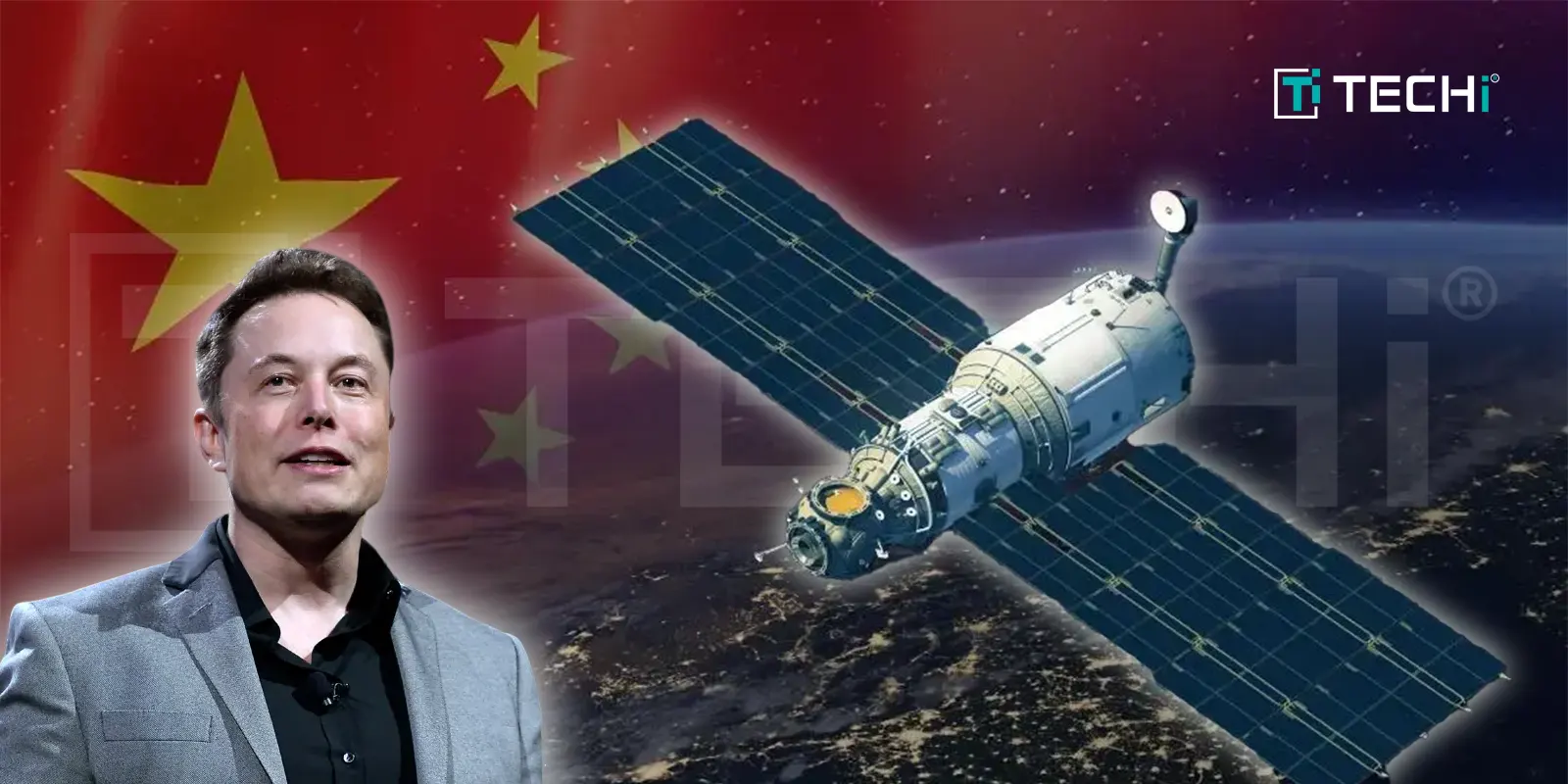
Musk Starlink Battles Chinese Rivals in Fierce Satellite Internet Race

The industry finds itself in a new space-age contest between companies to provide internet to every corner of the Earth and not just plant its flags here or there. Musk’s Starlink was the only game in town with satellite broadband, but now it has come across stiff competitive forces from state-backed Chinese projects and rival billionaires. With thousands of satellites already in orbit and more on the way, the skies are getting pretty thick, and it has become a digital land grab where orbital real estate is the new gold.

With rising competition against Chinese state-backed initiatives and rival networks funded by tech giants such as Jeff Bezos’s Amazon, the satellite internet race is heating up against Musk’s Starlink. The battle for supremacy in Low-Earth orbit (LEO) satellite communications has been getting furious, with Chinese companies rapidly reaching out and snatching international concessions.

Chinese SpaceSail Takes over Global Stage:

Shanghai-based SpaceSail is becoming a strong contender against Starlink. In November 2024, it signed an agreement to enter the Brazilian market and shortly thereafter commenced operations in Kazakhstan as an indicator of its fast pace of expansion. Brasília is also entertaining talks with Bezos’s Project Kuiper and Canada’s Telesat, indicating a global shift away from monopolistic satellite internet providers.

Starlink has launched more LEO satellites since 2020 than all its competitors combined, now the challenge becomes more formidable with China’s massive invasions into space. These intrusions comprise heavy investments by the Chinese government in rival satellite networks and military research on Satellite constellation monitoring and tracking. 2023 saw China launching a record setting number of 263 LEO satellites, a new single year milestone of its growing aspirations.

Strategic Importance and Geopolitical Implications:

China’s push into satellite internet has been welcomed by some governments looking for alternative providers, particularly in those regions where Musk’s Starlink has been held up in political and commercial disputes. State owned or state controlled SpaceSail plans to establish a 648 Low Earth Orbit resident satellite system this year, with 15,000 satellites in orbit by 2030. A comparison shows that Starlink, with around 7,000 satellites actively working, aims to target a total of 42,000 by the end of this decade.

The Qianfan or “Thousand Sails” constellation is China’s first meaningful international effort in satellite broadband, with three additional ones under development. Meanwhile, Beijing is pursuing plans for several LEO satellites totaling 43,000 in forthcoming decades and is investing heavily in rocket technology to facilitate the efficient launching of satellites.

According to Chaitanya Giri, an Aerospace Technology expert with India’s Observer Research Foundation, “The endgame is to occupy as many orbital slots as possible.” In the view of many Western policymakers, this would moreover be a Chinese tool for extending its digital influence, of which the expansion of the Internet censorship procedure outside of China becomes a major point of concern.

Military and Economic Interests:

Space technology and geopolitics are intertwined through China’s greater race for the establishment of treaties on LEO satellite networks. The American Foreign Policy Council (AFPC) expresses fears that China’s foray into digital dominance through space infrastructure is an essential leg of its Belt and Road Initiative (BRI), a $1 trillion undertaking deeply criticized as a tool of geopolitical development.

Chinese military research institutions, including the National University of Defense Technology, are also deeply engaged in researching satellite constellations. State backed companies such as HongQing Technology are receiving a considerable amount of investments, the recent 340 million yuan funding round was largely supported by state affiliated investors. Meanwhile, SpaceSail raised 6.7 billion yuan (US$930 million) in a funding round led by a state owned fund to develop China’s manufacturing capabilities.

Increased satellite related rights reflect China’s determination to bridge the technology gap. In 2023, the country published an unprecedented 2,449 patents on LEO satellite technology, as compared to just 162 in 2019. Many of these are directed toward cheap satellite networks and low latency communication systems that are essential to ensure China’s competitiveness.

Military Utility of Starlink and Counterstrategies from China:

Starlink, developed by Musk, has been part of military actions since Ukraine as being aligned with military operations. Growing worries in China have translated into more state funding for Chinese alternatives. Chinese scientists are very interested in decoding Starlink’s satellite network. They recently had a study from two PLA-affiliated institutes suggesting that it invented a crazy tracking system inspired by how whales encircle and trap their prey using spiraling bubbles. The necessity of tools such as monitoring mega constellations like Starlink has been stressed due to increasing militarization trends in space.

Satellite internet is still one of the fast-moving frontiers, with early movers defining the pace and nature of things before the tightening of regulatory frameworks. Thus, Antoine Grenier, the Global Head of Space at Analysys Mason, said, “The space world is moving fast and busy experimenting. Pioneers are enjoying this relative freedom and are shaping it to their advantage to claim key positions before rules become more stringent—like the Wild West.

Furthermore, the researchers wrote that, “With the growing trend of space militarization, developing tools to monitor and track these megaconstellations is critically important”. The market that Starlink had once dominated is quickly shifting toward the current, all-out lean from China into the LEO Satellite. Musk’s Starlink is facing its greatest test amid an aggressive Chinese expansion. What will result from that remains to be seen, such as whether enhanced internet connectivity reaches distant communities or increases geopolitical contention. 

Read More: Alibaba Surpasses a Decade of AI Investment with its $52 Billion in AI and Cloud Computing

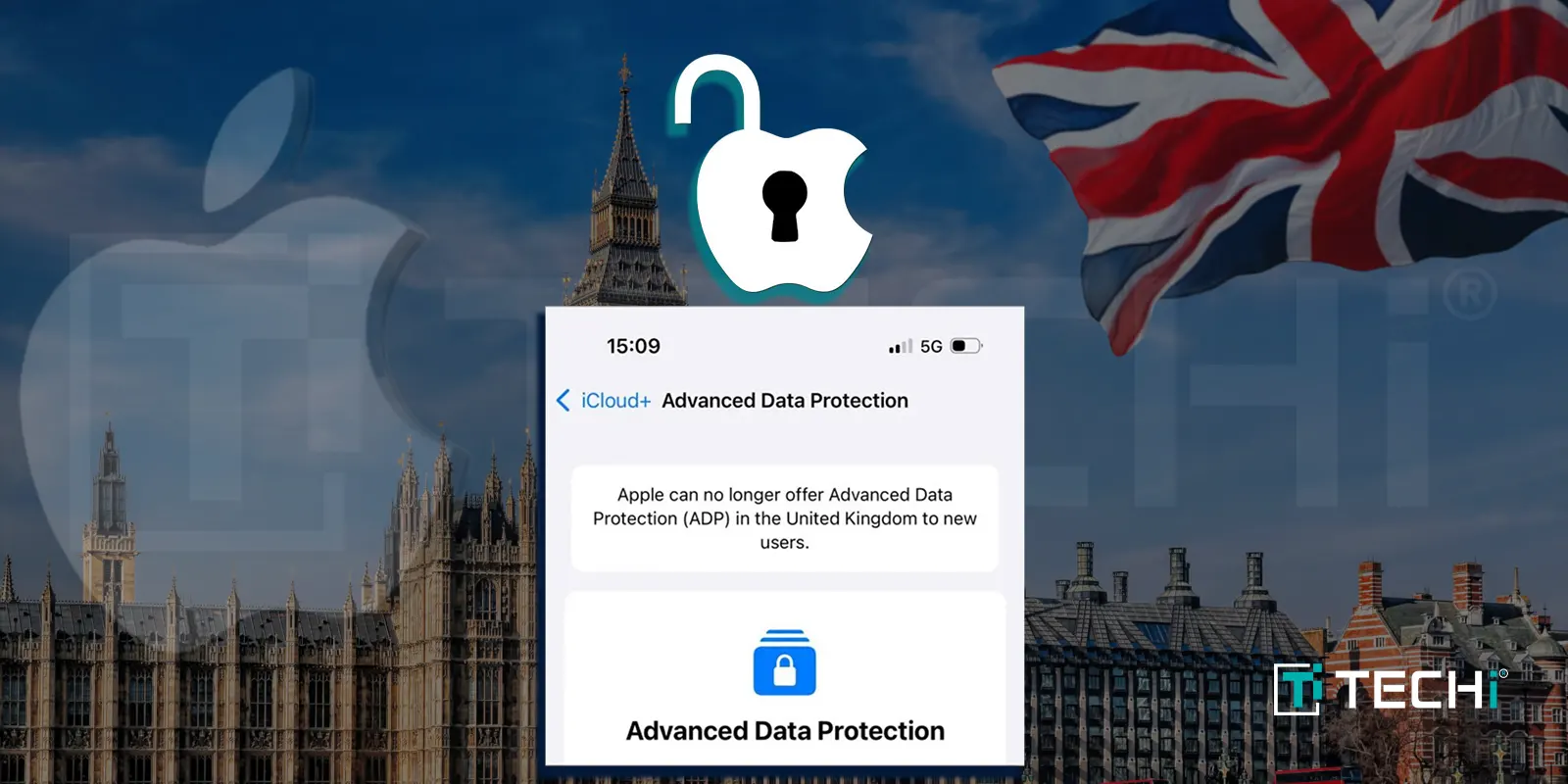
Apple Ends iCloud Encryption in UK After Government Demands

Apple has confirmed the removal of Advanced Data Protection (ADP) for iCloud backups in the UK following government demands for access to user data. This move means UK users will no longer have the option to secure their iCloud backups with end-to-end encryption, making it possible for authorities to request access to stored data under legal provisions.

Government Mandate Behind the Decision

The removal of ADP aligns with requirements set by the Investigatory Powers Act of 2016, which allows UK law enforcement to request access to encrypted data under a Technical Capability Notice (TCN). According to a report from The Washington Post, the UK government issued a Technical Capability Notice (TCN) to Apple under the Investigatory Powers Act of 2016. This notice compels companies to assist law enforcement in data collection by ensuring they can access encrypted information. Apple’s decision to remove ADP aligns with these legal requirements, as TCNs require firms to develop methods to provide data upon legal request.

While these notices do not provide unrestricted access, they compel companies to develop mechanisms for law enforcement to retrieve data when legally required. Apple has previously stated its commitment to user privacy and encryption but appears to have made this change to comply with UK regulations. A UK Home Office spokesperson declined to comment on whether a direct order was issued, stating, “We do not comment on operational matters, including confirming or denying the existence of such notices.”

Impact on iCloud Users in the UK

With the removal of ADP, UK users who rely on iCloud backups will no longer have the same level of encryption as users in other regions. This affects stored data, including messages, photos, and documents, which can now be accessed by Apple and shared with law enforcement upon legal request. Existing users who have already enabled ADP will not have it automatically disabled, but they will receive notifications prompting them to turn off the feature manually. Users who wish to maintain encryption must store their data locally on their devices without iCloud backup functionality.

Privacy and Security Concerns

Cybersecurity experts have raised concerns that this change weakens user privacy and data security. Many argue that once a government gains access to encrypted data, other nations may follow suit with similar demands. The move has also sparked fears of potential security risks, as reducing encryption may make user data more vulnerable to breaches and unauthorized access.

Industry Response and Future Implications

Digital rights organizations have criticized the decision, warning that it sets a precedent for further government intervention in encryption policies. Meredith Whittaker, president of Signal, has spoken against such measures, emphasizing that strong encryption is essential for security and digital privacy. Apple has maintained that while it is complying with UK law, it remains committed to encryption and will not create backdoors in its products. However, this move highlights the ongoing struggle between user privacy and government surveillance, with potential implications for tech companies operating in regions with strict data laws.

Read More: OpenAI Blocks Accounts in China & North Korea Over Misuse

OpenAI to Shift AI Compute from Microsoft to SoftBank

According to The Information Report on Friday, OpenAI is forecasting a significant shift in the next five years around who it gets most of its computing power from. OpenAI is significantly shifting its AI infrastructure, moving away from Microsoft’s cloud services and toward SoftBank-backed Stargate. By 2030, OpenAI expects 75 percent of its computing power to come from Stargate, marking a shift that carries a lot of opportunity and risk. Though this shift is coming, OpenAI will keep increasing its spending on Microsoft’s data centers in the next few years. However , the company’s operational expenses are poised to increase significantly.

Reports indicate that OpenAI will burn through $20 billion in cash by 2027, marking a significant financial shift from previous years, a massive jump from the $5 billion spent in 2024. By the decade’s end, OpenAI forecasts that running AI models (inference costs) will surpass AI training expenses, marking a significant shift in its computing strategy. This move signals OpenAI’s push for greater independence in cloud infrastructure as it scales its AI models.

Why Is OpenAI Starting to Move Away from Microsoft?

With this move, OpenAI is positioning itself for a world where computing resources are more often distributed. But is this the right move? Moving computing power over from Microsoft (whose Azure powers OpenAI today) to the SoftBank-backed Stargate project is not something that happens overnight; there is a lot of work to be done. OpenAI has leaned heavily on Microsoft’s Azure cloud, but as AI costs have taken off, the company seems to be looking for more control and diversification over its compute resources. There might be several reasons why they decide this.

Microsoft increasing interest in its in-house AI research might lead to strategic conflicts with OpenAI in the future, which might end up resulting in conflicts of interest between the two. To OpenAI, this could be a mandate to secure its long-term independence. In addition, OpenAI’s rising operational outlays — projected to surpass $20 billion by 2027 — necessitate a more fluid funding approach, and SoftBank is famous for its mega tech bets. In addition, OpenAI may want to decrease the reliance on U.S. cloud providers for strategic reasons as well, whether it be aimed at mitigating risks from potential regulatory scrutiny or geopolitical factors.

What It Signals About OpenAI’s Future

In leaning toward SoftBank-backed computing, OpenAI is making a calculated gamble. This could offer more autonomy, tailor-made AI chips, and improved financial flexibility, in other words. However, SoftBank’s track record of putting money into volatile deals (think WeWork) begs the question of whether this is a sustainable partnership in the long term.

And inference costs (i.e., running AI models) are expected to exceed training costs by 2030, so OpenAI needs a long-term sustainable solution. This could blow up in the face of the SoftBank-funded Stargate project if it fails to deliver the same stability and efficiency that Microsoft Azure provides. Ultimately, OpenAI’s pivot away from Microsoft is a high-stakes transition that could determine its trajectory in the A.I. industry. If done right, it could solidify OpenAI’s role as a leading innovator in AI. However, if the transition faces major roadblocks, it could open up new challenges that slow down OpenAI’s momentum in the AI race.

Read More: OpenAI Drops o3 AI Model to Unify AI Strategy with Game-Changing GPT-5

Meta Launches Project Waterworth, World’s Longest Undersea Cable that Bridges Continents

Think of giving a message from one continent to another, not flying along the airwaves, but cable carrying that message beneath the ocean. Meta’s new venture, Project Waterworth, is all about bringing this vision into a reality, a huge undersea cable system that exceeds even the circumference of the Earth. This technological marvel is not just about faster memes or seamless video calls but is destined to change the face of global connectivity forever.

To change the paradigm of global connectivity, Meta plans to go for the construction of the world’s longest underwater cable named Project Waterworth. The 50,000 km (31,000 miles) subsea cable will connect the US, India, South Africa, and Brazil among other important regions to reinforce the digital infrastructure and allow for economic cooperation. Meta stated in a blog post, “Project Waterworth will bring industry-leading connectivity to the US, India, Brazil, South Africa, and other key regions. This project will enable greater economic cooperation, facilitate digital inclusion, and open opportunities for technological development in these regions”.

Connectivity Strengthening the Digital Infrastructure:

Waterworth will be the longest and technologically most advanced undersea cable deployment to date, far exceeding the circumference of the planet. Waterworth diverges from typical systems that utilize 8 to 16 fiber pairs and rather uses a groundbreaking system of 24 fiber pairs, which boosts data capacity and internet speed across connected regions. Meta claims this will support its own AI initiatives and the larger digital economy.

Meta said, “In India, where we’ve already seen significant growth and investment in digital infrastructure, Waterworth will help accelerate this progress and support the country’s ambitious plans for its digital economy. We’ve driven infrastructure innovation with various partners over the past decade, developing more than 20 subsea cables. This includes multiple deployments of industry-leading subsea cables of 24 fiber pairs – compared to the typical 8 to 16 fiber pairs of other new systems.

The project coincides with India’s digital transformation, adding the kick that the growing digital economy requires. Through advancing digital investments in the country, Meta has already contributed to rapidly enhancing connectivity in India. Waterworth is expected to bring new life to this development by enhancing broadband access and consequently innovation and supporting the country’s technology vision. In the same way, improved internet access is expected to spur economic growth and digital transformation in South Africa and Brazil.

Undersea Cables, a Liability:

More than 95% of the world’s global Internet traffic carries on submarine cables. This emphasizes the importance of submarine cables in global communication, as the UK alone is equipped with about 60 submerged cables that handle 99% of the data in the UK. Increasing numbers of dependence bring with them concerns over vulnerabilities of undersea cables to geopolitical conflicts and accidents, as well as cyber threats.

Recent incidents have proven all of these. In January, NATO launched a mission to enhance surveillance over undersea cables at the Celtic Seas after there were reports of damages to critical infrastructures. In a similar vein, the Trump administration sanctioned a Russian company in 2018 for allegedly granting underwater surveillance capabilities to Moscow. Tonga suffered a nationwide blackout of internet access after damage to an undersea cable in July, halting business and daily life.

Regardless of the risks, Meta emphasized the durability as well as safety of Project Waterworth. Meta said, “It would lay its cable system up to 7,000 metres deep and use enhanced burial techniques in high-risk fault areas, such as shallow waters near the coast, to avoid damage from ship anchors and other hazards.”

Challenges and Controversies:

As Meta’s underwater cable project promises to change global connectivity, the company is never free from accusations concerning its policy. In January, CEO Mark Zuckerberg announced plans and stated that “He was ending professional fact-checking on Facebook and Instagram and would dramatically reduce the amount of censorship”. This has drawn heavy criticism about misinformation and argued concerns about the application of digital platforms in the control of content.

Project Waterworth is not just an engineering project, but rather a vision about a world that is more interconnected than ever through an undersea cable. Powered by worldwide undersea cables, this mega initiative aims to redefine digital access, economic growth, and technology innovations in associated geographies. As its disruptive innovation nature, this one too is associated with social challenge risks, from security to geopolitical tension. As the world watches, Meta is committed to embarking on an undersea odyssey that promises to make waves, literally and figuratively.

Read More: Amazing Facts About Wikipedia

Thousands of Apps Removed from EU App Store as Apple Enforces DSA

A fantastic game of digital hide-and-seek is ongoing, played in such a way that thousands of apps have fallen off from the EU App Store overnight. Nobody has hacked into or crashed out the systems, Apple simply decided to play bouncer to those apps wishing to enter the compliance club. This is why pop-up apps are nowhere to be found in the EU App Store, as almost thousands of apps mysteriously disappeared. The deadline for the Digital Services Act (DSA) demanded apps without verifiable developer contact details to be tossed aside. Apple’s expression, according to its EU agreement, might be a triumph for transparency, but, for most developers, it seems like an intense crash course in red tape.

As the deadline for the enforcement of the Digital Services Act (DSA) in the European Union approaches, Apple has removed apps without any compliance concerning the transparency clauses. On February 18, 2025, apps belonging to developers without verified and up to date contact information, address, phone number, and email would simply get wiped out from the EU App Store. This goes in accordance with Articles 30 and 31 of the DSA, which requires app developers to disclose their “trader status” regarding accountability and protection for consumers.

Apple’s Removal of Non-Compliant Apps:

In an official statement to developers, it was found that Apple will remove all such non-compliant apps and will not reinstate them until they verify their trader status. According to the company, they should have known about these policies long before and should not be surprised.

Appfigures, an app intelligence provider, reported that nearly 135,000 apps have gone inactive across all of the EU member state App Stores in just about 30 hours. It definitely pulls the number high away probably because many developers, smaller and independent, suddenly emerge shocked with the new strict requirements.

Consequences for Independent Developers:

Although the impact of the policy is felt among all those who earn revenue via the App Store, be it through paid downloads, in-app purchases, or ads, the greater effect has tilted more towards the smaller independent developers. Many of these people here do not have a regular business, even the office does not mean that they are at home or have little work with some online contact details. Some have gone to such lengths as actually registering with co-working spaces, virtual offices, PO boxes, or virtual phone numbers to keep it all, while still being able to meet Apple’s verification criteria.

For organizations, it now requires a phone number, email, and address associated with the D-U-N-S Number. Similar information needs to be provided by individual developers now publicly visible in the EU App Store under app details situated between the app’s age rating and the developer’s website link.

DSA’s Broader Perspective:

The DSA is the European Union’s effort to increase transparency and accountability among digital services while scrutinizing the businesses that operate online with regard to consumer identification and reach. While such a move has been heralded as a step toward the betterment of consumer protection rights, it has given birth to a different kind of fear of privacy, especially among individual developers who are otherwise inclined to release personal information.

With the enforcement now full-blown, developers have only one option, act fast to restore their apps or risk losing access to customers in the EU forever. As such an enforcement of the DSA from Apple underscores growing regulatory pressure on digital platforms, it raises the signal of concern about privacy among the little developers. Changing rules in the tech world is nothing new but if one wants to survive in an EU market, ensure that private information goes through Apple to reach you.

Read More: X Blocks Signal Links – A Threat to Digital Freedom and Privacy?

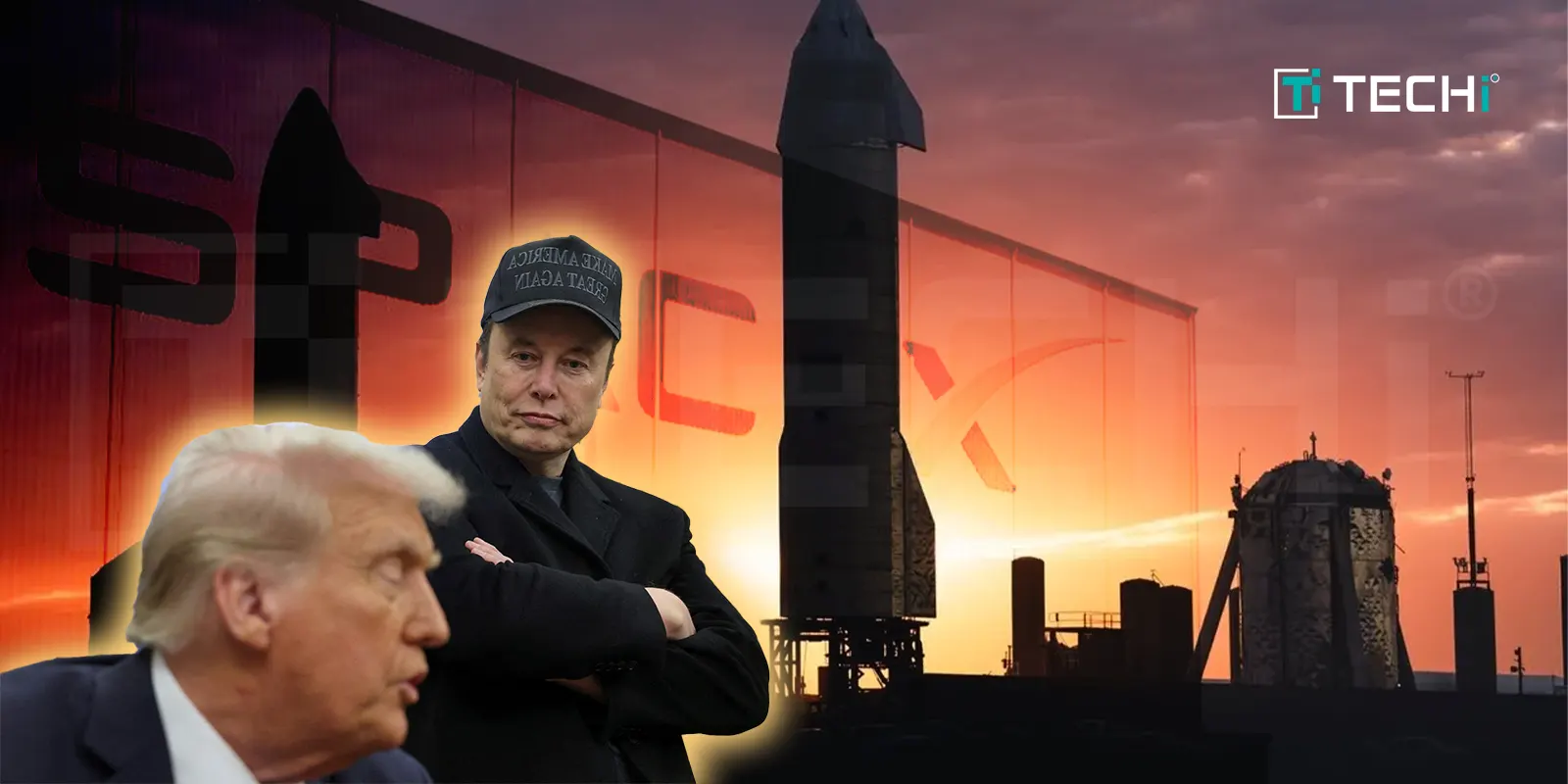
Trump Fires FAA Workforce as Musk’s SpaceX Enters Air Traffic Control

“You are fired!” seems to be apparently the new in-flight announcement. As Commercial aviation is the art of balancing both technological precision along with human expertise, what happens when one end of the equation is suddenly compromised overnight? The most recent mass firings at the Federal Aviation Administration (FAA), which have taken place alongside the introduction of yet an undefined role for SpaceX in the future of air traffic control, have raised eyebrows, sparked debates, and left a lot of people wondering if the skies have suddenly perhaps became a bit more turbulent. 

According to a CNN source, the Trump administration has dismissed hundreds of Federal Aviation Administration (FAA) employees assigned to critical air traffic control infrastructure. The terminations began late Friday night, just as SpaceX, under Elon Musk, was contracted to assist with developing an entirely new air traffic control system.

Mass Firings:

The number of affected workers is still unknown. However, the union representing the employees, the Professional Aviation Safety Specialists (PASS), noted that among them were mainly terminations due to probationary employees. These were newly hired employees who had yet to complete at least a year of duty since employment. Notably, these are not air traffic controllers, as the sector is already plagued by a shortage of staff due to resignations and retirements.

As reported by Dave Spero, president of PASS, “the employees were fired without cause nor based on performance or conduct. The emails didn’t come from a government email address; they came from an exec order Microsoft email address”. These employees belonged to professionals whose work includes maintenance on FAA radar equipment, landing systems, and navigation aids. An anonymous air traffic controller disclosed to the Associated Press that the layoff also affected aircraft certification specialists, aviation technical system experts, engineers, architects, and flight procedures teams. Galen Munroe, Deputy Director of Public Affairs at the National Air Traffic Controllers Association (NATCA), confirmed that the layoffs reached across several essential aviation safety roles.

Safety Concerns:

Congress has been pushing for years for the FAA to deal with the systemic problems posed by recurring near-misses and the modernization of its infrastructure. In spite of alarm bells rung by aviation experts, the agency has been negligent in facilitating any of the most needed safety upgrades.

This wave of firings follows a crash that occurred over Washington National Airport this January. A single controller was responsible for helicopter and commercial airline traffic at the heavily trafficked airport, and several other aviation accidents have followed since. Nick Daniels, President of NATCA, said, “We will analyze the effect of these terminations on aviation safety and the national airspace system. It’s a sad day for those who chose to serve in aviation safety and public service, only to have their careers cut short.”

SpaceX and the Future of Air Traffic Control:

Just days after the Washington D.C crash, Musk took to X (formerly Twitter) to announce that Trump’s Department of Government Efficiency (DOGE) had approved efforts to “make rapid safety upgrades to the air traffic control system.” However, there have been no further details made available by either Trump or Musk on the expected upgrades.

Secretary of Transportation Sean Duffy posted on X that, “On Monday, members of Musk’s SpaceX team were at the Air Traffic Control System Command Center in Virginia. The purpose of the visit was to allow SpaceX to get a firsthand look at the current system, learn what air traffic controllers like and dislike about their current tools, and envision how we can make a new, better, modern, and safer system.”

While it seems that SpaceX may have added modernizing air traffic control to their portfolio, recent mass firings raise a lot of concerns regarding immediate risks to safety and disruption to air traffic operations. The involvement of SpaceX introduces uncertainty but also excitement for the future of air traffic control which could lead either to innovations or to turbulence. For now, travelers and industry experts alike will keep their seatbelts fastened and tray tables locked, watching closely to see if this new trajectory opens up with a clear sky or causes another chaos. While the implications of such a decision are being debated by various industry experts and policymakers, the future of American air traffic control seems far from certain. 

Read More: Elon Musk’s AI Revolution Continues as xAI Unveils Grok 3 AI Model

South Korea’s AI Power Play; Securing 10,000 GPUs for the Future

South Korea is on its way to procure about 10,000 high-performance GPUs during the year, with a view to furthering its interest in the rapidly accelerating global AI race. This falls under its wider plan to build a more cohesive national AI computing infrastructure and sustain the country’s innovation ecosystem. Artificial Intelligence has changed the face of this world, and all the countries are doing hard work to establish large computing infrastructures. Here, South Korea is one of the last countries to announce acquiring 10,000 high-end GPUs. The AI race is not just between the technological maharajas, it becomes an all-out national showdown among countries.

An Alternate Strategic View:

As artificial intelligence becomes a key driver for economic and technological growth, the intensified competition now encompasses not just corporate rivalries but also national innovation ecosystems. This strategic view was articulated by acting President Choi Sang-mok, who said, “As competition for dominance in the AI industry intensifies, the competitive landscape is shifting from battles between companies to a full-scale rivalry between national innovation ecosystems”.

In partnerships with the private sector, South Korea seeks to obtain the GPUs for its national AI computing center, set to start operations shortly, to support its AI aspirations.

Global Regulation for AI Chips:

This follows the recent regulations by the U.S government prohibiting exportation of AI chips. The new rulings, rank nations in different tiers and place South Korea among 18 countries that are exempt from export restrictions. Meanwhile, 120 other countries are facing export restrictions, whereas nations such as Iran, China, and Russia are virtually banned from accessing U.S AI chips.

The number of GPUs that would be needed for an AI model depends on factors like processing power demands, amount of data, complexity of the model, and time to train the model.The Ministry of Science and ICT in South Korea is yet to finalize its requirements regarding the budget, models of GPUs, and partners in the private sector. However, the government anticipates wrapping this up by September 2025.

Global GPU Market and South Korea AI Investment:

NVIDIA is considered to dominate the global GPU market by more than 80 percent and has continued to be a vital supplier for most AI companies across the globe. GPUs are publicized as general AI and accelerated computing application’s keystone hardware. However, all major companies like Microsoft backed OpenAI are now searching for alternatives to cut down their reliance on Nvidia. The company is finalizing the design of its own AI chip and for manufacturing, will turn to Taiwan Semiconductor Manufacturing Co (TSMC).

China is beginning to produce spectacular results in artificial intelligence, as the Chinese startup DeepSeek develops AI models that focus more on computational efficiency than on processing power, which could narrow the gap between Chinese and U.S AI chips.

Following its ambitious program of acquiring 10,000 GPUs, South Korea is driving very hard to assert itself into the ranks of highly competitive AI innovators. It builds partnerships with the private sector and takes exemption from the U.S chip restrictions to make sure it really leads the way in the revolution. The next few months will be vital for the government in ratifying procurement plans and advancing towards the national AI strategy. As long as technology keeps evolving, that investment by South Korea into infrastructure for AI may indeed prepare for revolutionary breakthroughs to arrive in the upcoming years.

Read More: South Korea Suspends New Downloads of DeepSeek over Data Privacy Concerns

Nokia and Cellcard Collaborate to Elevate Cambodia Fiber Broadband Network

Phnom Penh, Cambodia – February 13, 2025 – In a significant move to enhance Cambodia’s digital infrastructure, Nokia and Cellcard have announced a partnership to upgrade the nation’s fiber broadband network. This initiative will transition the existing Gigabit Passive Optical Network (GPON) to the advanced 10-Gigabit Symmetrical Passive Optical Network (XGS-PON) technology, utilizing Nokia’s Lightspan and Altiplano solutions. The upgrade aims to deliver ultra-fast internet speeds of up to 10 Gbps to both residential and business customers across key cities, including Phnom Penh and Siem Reap.

Enhancing User Experience with Advanced Technology

The deployment of Nokia’s Lightspan Optical Line Terminals (OLTs) and the Altiplano Access Controller is set to improve network performance significantly. The Altiplano platform offers a cloud-native suite of network management and Software-Defined Networking (SDN) control functions, enabling Cellcard to automate operations and optimize broadband services. This modernization is poised to support high-bandwidth, low-latency applications such as Augmented Reality (AR) and Virtual Reality (VR), catering to the evolving demands of consumers and businesses alike.

Leadership Insights

Asitha De Costa, Chief Information Officer of Cellcard’s ICT Division, emphasized the company’s dedication to delivering superior network experiences: “We are committed to providing our customers with unparalleled digital services. Collaborating with Nokia allows us to enhance our residential broadband offerings, ensuring our subscribers can seamlessly engage with high-bandwidth applications like gaming, while also improving network efficiency through automation.”

Ajay Sharma, Head of South-East Asia North Sales, Network Infrastructure at Nokia, highlighted the significance of the partnership:

“Our proven Lightspan and Altiplano solutions will empower Cellcard to modernize its fiber broadband network, reducing power consumption and lowering carbon emissions. This collaboration underscores our strong partnership with Cellcard and reinforces our commitment to advancing Cambodia’s digital infrastructure.”

Strategic Implications and Future Prospects

This upgrade not only positions Cellcard to meet the increasing demand for high-speed internet but also aligns with global trends in fiber network advancements. The move to XGS-PON technology ensures scalability, allowing for future evolution to 25G PON as customer needs grow. By investing in this next-generation infrastructure, Cellcard is set to maintain a competitive edge in the telecommunications sector, offering enhanced services that cater to the digital aspirations of Cambodia’s populace.

Industry Context

The telecommunications industry is witnessing a global shift towards XGS-PON technology, driven by the need for higher bandwidth and more reliable internet services. This upgrade by Cellcard mirrors similar initiatives in the region, such as StarHub’s recent collaboration with Nokia to deliver nationwide 10 Gbps services in Singapore. These developments underscore a broader commitment within the industry to support emerging applications and services that demand robust and high-speed connectivity.

Conclusion

Nokia and Cellcard’s partnership marks a pivotal step in Cambodia’s digital transformation journey. By embracing advanced fiber Cambodia broadband technology, they are not only enhancing current service offerings but also future-proofing the network to accommodate forthcoming technological advancements. This initiative reflects a shared vision to provide Cambodian consumers and businesses with the digital tools necessary to thrive in an increasingly connected world. Please visit their official product pages for more information on Nokia’s Altiplano Access Controller and Lightspan FX fiber access nodes.

Stay updated with Techi for the latest developments in fiber broadband and global telecommunications innovations.

Read More: Huawei Dominates Global FTTP Market with its MA5800T Smart 10G OLT Series

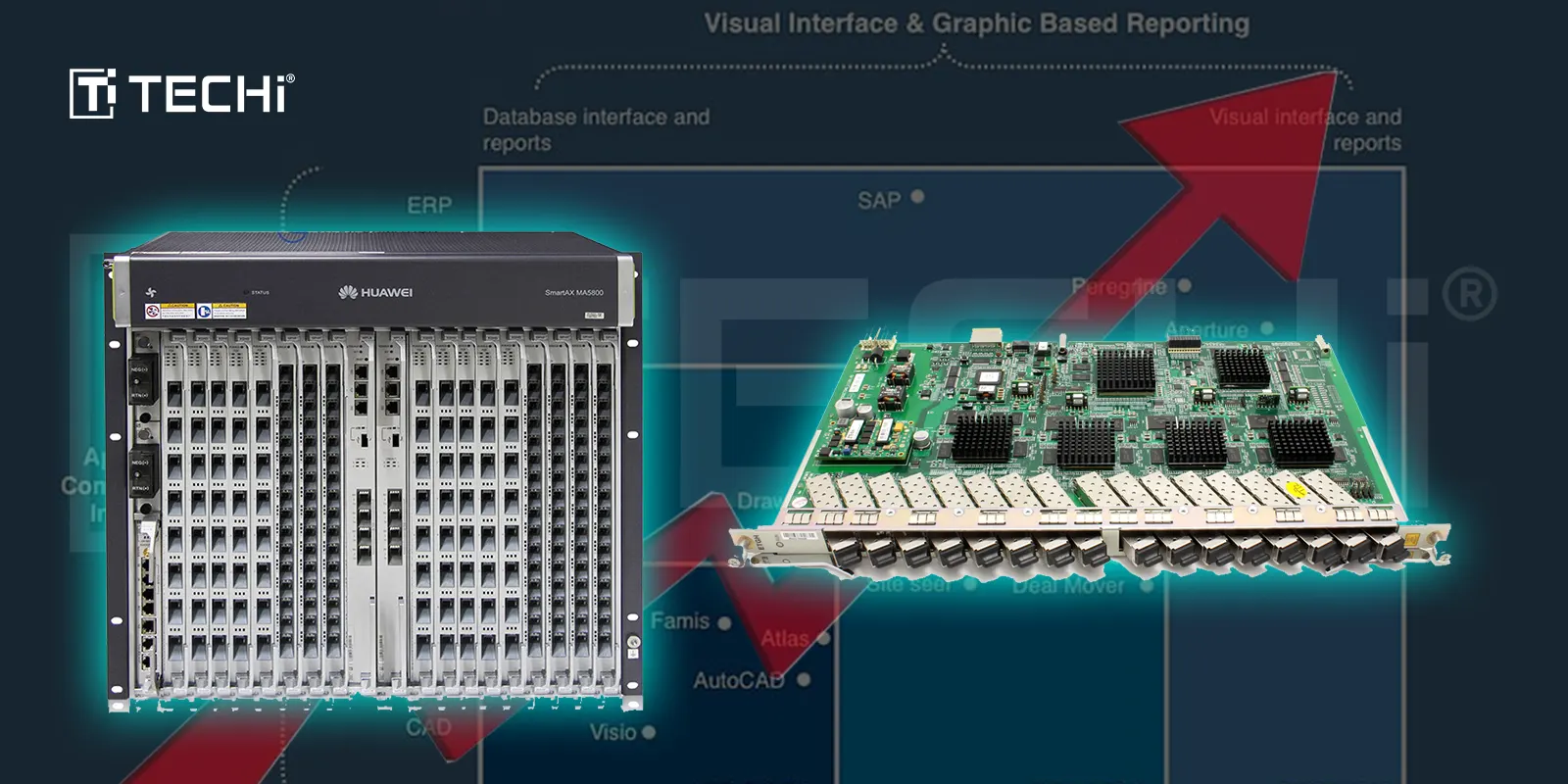
Huawei Dominates Global FTTP Market with its MA5800T Smart 10G OLT Series

With the constantly evolving need for high-speed internet and advanced fiber optic networks, telecommunications operators are on the go in search of cutting-edge solutions for their network performance, scalability, and seamless integration. According to the newest FTTP Competitive Landscape Assessment from GlobalData, the OptiXaccess MA5800T smart 10G OLT series by Huawei has been rated on the first ranks and recognized with no peer capabilities in several metrics.

The OptiXaccess MA5800T smart 10G OLT series from Huawei has now been regarded as the highest ranking solution in the Fiber to the Premise (FTTP) Competitive Landscape Assessment, 2024, by GlobalData, a reputed consulting firm which specializes in the ICT industry. Assessing OLT products of five important global vendors, the report placed Huawei’s MA5800T series at No. 1 across all five key dimensions which are; density and scalability, backplane/system throughput capacity, ONT range, deployment flexibility, customer and market traction. This reinforces Huawei’s leadership in FTTP technology and strengthens its ability to offer high-performance future ready optical access solutions.

Advanced Features:

Compared with its peers in the industry, the Huawei MA5800T Series series features a special high-density architecture providing either 8 or 16-port symmetric or asymmetric triple-mode 50G PON to handle ever increasing demand for 10G connectivity. The series provides seamless data output with an industry leading, 1 Tbps per slot for optimizing upstream and downstream performance. It also incorporates vastly compatible features, as it can hold GPON ONTs together with 10G PON ONTs and 50G PON ONTs in one operation while ensuring compatibility with the network infrastructure it is attached to. In addition, the flexible deployment capabilities provide smooth upgrades without the need to change the existing optical distribution network (ODN), thus maximizing ROI for operators.

Global Presence:

Another factor behind Huawei’s top ranking is the global presence of more than 60 operators on the Huawei MA5800T Series. No other vendor can surpass the level of global presence achieved by the MA5800T series, and it is also the only ever commercially available OLT for 50G PONs. With its whole family designed for the 10G era, the MA5800T series has been the number one trade feature by combining advanced intelligence, ultra-large bandwidth, with a seamless upgrade path as an excellent operator and enterprise solution for implementing FTTP networks. With its ambition of changing the traditional bandwidth models into experience driven monetization, Huawei continues redefining future benchmarks in optical access technology across the industry in order to create the fiber networks of the next generation.

While the telecom world is quickly shifting towards next generation fiber networks, the MA5800T series by Huawei stands as a standard for innovation, efficiency, and long-term investment protection. GlobalData’s assessment ranks it on top in not only technical leadership but also reinforces how Huawei is committed to carrying forward the torch into the future of FTTP technology. Seamlessly upgrading networks with unmatched scalability and intelligent optimization is the next phase in digital transformation, which is all set for the future with Huawei’s MA5800T series.

Read More: Apple’s iPhone SE 4 Leaks, Reveals New Design and Features

Elon Musk’s China Bet: Tesla’s Shanghai Megapack Factory Starts Production

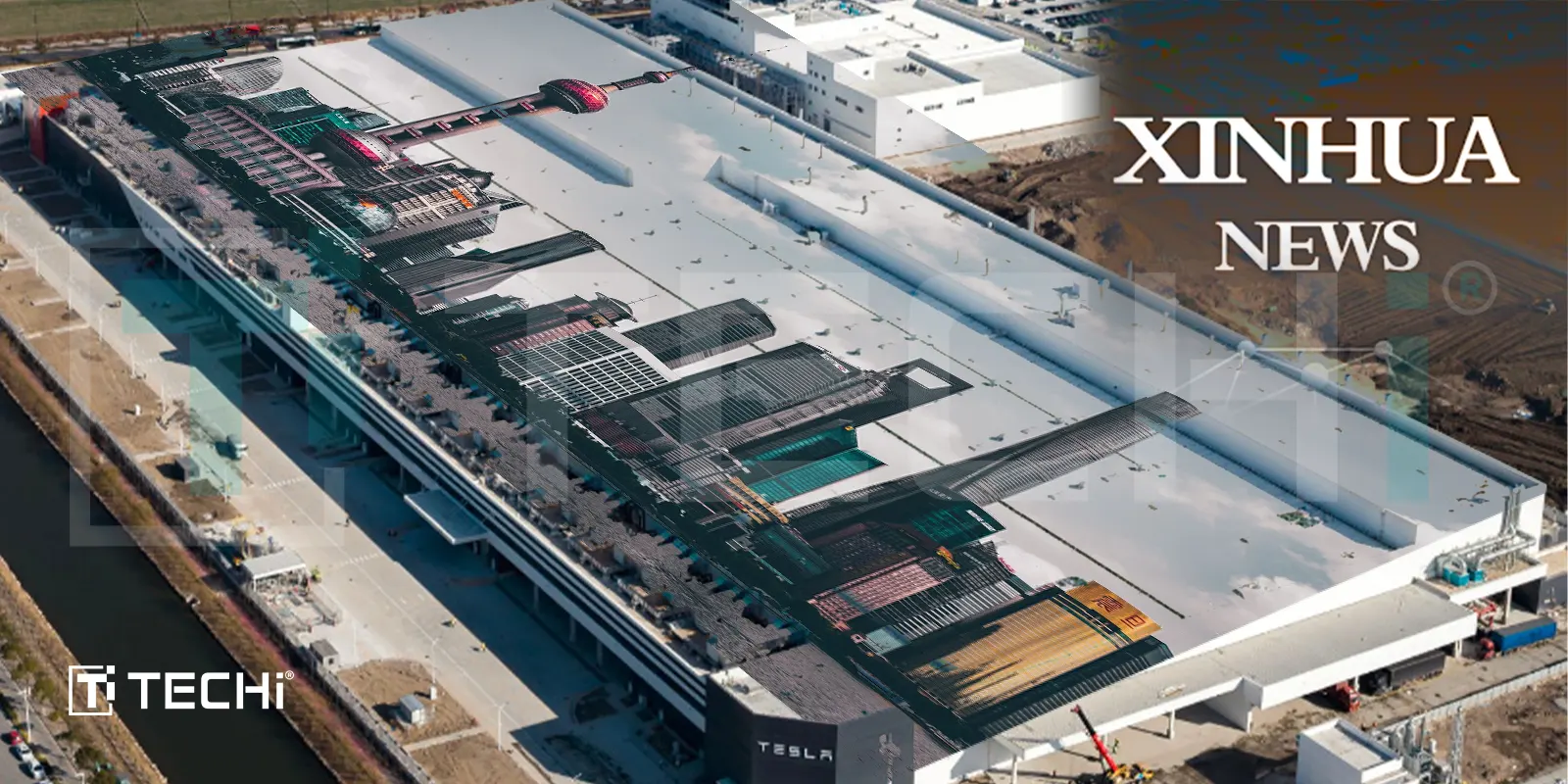
Tesla’s Shanghai mega-factory in the Ling-gang Special Area started its operations with an opening ceremony, according to Tesla, which is owned by US billionaire and advisor to the US government Elon Musk. It marks the significant expansion of the company’s presence in China.

Megafactory is set to make a substantial impact on Tesla’s worldwide energy storage ambitions with an initial yearly production capacity of 10,000 units, equating to roughly 40 gigawatt-hours of energy storage. In 2025, the company projects a 50 percent increase in energy storage deployments from the last year.

Tesla’s Megapack Background:

The Tesla Megapack is a large-scale rechargeable lithium-ion battery stationary energy storage product, intended for use at battery storage power stations, manufactured by Tesla Energy, the energy subsidiary of Tesla, Inc.

Launched in 2019, a Megapack can store up to 3.9 megawatt-hours (MWh) of electricity. Each Megapack is a container of similar size to an intermodal container. They are designed to be deployed by electric utilities. The energy stored can be used as required, for example during periods of peak electricity demand or when grid power is disrupted. Tesla Energy also offers the Powerwall, a smaller energy storage device intended for home use.

The new facility represents a total investment of around 1.45 billion yuan (approximately 202 million U.S. dollars), Spanning an area of approximately 200,000 square meters. The facts and figures are reported by the administration of the Lin-gang Special Area of the China (Shanghai) Pilot Free Trade Zone, where this Tesla factory is situated. Mass production began at the plant just eight months after construction officially started. It represents ‘Tesla Speed’ in China, with the Shanghai Gigafactory. Tesla’s inaugural plant in the eastern financial hub of the country, being constructed and inaugurated within a year in 2019.

“We have once again witnessed the remarkable pace of Shanghai and Tesla. I am thrilled to see this factory usher in an exciting year for Tesla,” stated Mike Snyder, Tesla’s vice president, during the launch ceremony on Tuesday, showing optimism that the new facility will become a vital part of Tesla’s global production network.

Read More: OpenAI’s $14M Super Bowl Gamble: Can It Beat Google & Meta in the AI Ad Wars?

China’s Chip Industry Gains Momentum, Challenging Taiwan’s Dominance

Taiwan has been for decades and is the most important chip supplier for manufacturing electronics worldwide. It is the sole country supplying the very semiconductors needed across the globe, powering everything from smart phones to cars. However, in the world of changing technology, dominance does not last long. China rapidly expands its semiconductor industry with large state support and aggressive pricing policies, and thus, Taiwan is losing its grip on the legacy chip market.

The legacy chip industry in Taiwan, once unrivaled in dominance, has now been under a mounting pressure by China’s aggressive drive to increase its share in the mature node semiconductor market. A big player in Taiwan’s chip sector, Powerchip Technology learned this first hand at the failure of its joint venture with Hefei in 2015 to establish Nexchip, which turned into a masquerade rivalry. Today, Nexchip, together with other Chinese foundries like Hua Hong and SMIC, is stepping up the race through steep discounts and hefty government support to reshape the future of Taiwan’s $56.3 billion legacy chip industry. Taiwan’s industry now stands at a crossroad, they have the option to either adapt, specialize, or be outdone by the growing China.

China’s Chip Market Expansion:

The Chinese foundries are now benefitting from the American trade restrictions regarding high-end chip-making technologies by concentrating on mature node chips. These mature node chips involve those made using 28 nm processes or above. Taking into consideration the still considerable state funding backing, the foundries can offer the lowest prices with production expansion aggressively. As for TrendForce, by 2024, China was to hold 34% of the total global mature node manufacturing capacity, while Taiwan was at 43%. Future estimates would, however, indicate that China will be having a greater portion than Taiwan by 2027, this situation would, again, be a threat to Taiwan’s long standing leadership in the field.

The government of China’s support would strengthen localization and provide incentives for many Chinese customers, such as those in consumer oriented products like display panels to be dumped to domestic suppliers. Increasing tension is arising from Taiwanese chip designers as customers are asking them to have their products fabricated in Chinese Fabs. Then, this will soon be difficult for Taiwanese foundries in maintaining their dominance in the market.

Impact on Taiwanese Foundries:

As Chinese companies increase the production while also lowering their prices, the effect seems not to spare the major foundries in Taiwan, namely Powerchip, UMC, and Vanguard International. Frank Huang, chairman of Powerchip said, “Mature-node foundries like us must transform; otherwise, Chinese price cuts will mess us up even further”. He reaffirmed that transformation is needed, or else the suitors would walk away with more market erosion.

UMC, likewise responded by entering into a partnership with Intel to get beyond chip e-making, while Powerchip is shifting itself toward the new 3D stacking technology which incorporates logic and DRAM chips for better performance and efficiency. As mentioned by Huang that, “they plan to reduce their work on display driver and sensor chips, which are largely used in the Chinese market, and shift focus towards 3D stacking, a technique that integrates logic and DRAM memory chips to improve computing performance and reduce power consumption”. Another silence over strategic direction is owned by Vanguard, most likely he has been under similar pressure.

Rise of Geopolitical Tensions:

This has been better for Taiwanese companies while the trade war between U.S and China has made it more difficult for Chinese foundries to acquire advanced semiconductor technology. Some Western customers are voluntarily avoiding China for chips, looking for alternatives in Taiwanese manufacturing. An executive from a chip design firm based in Taiwan remarked that starting in 2023, overseas clients have started to ask for production based outside China, thus along the paths that are developing a gap in global supply chains of semiconductors. An executive from a chip design company in Taiwan, spoke on condition of anonymity because of the sensitivity of the situation, said they had been receiving more orders from international customers asking to make chips outside China since 2023.

However, the new forms of problems could be added by the possible changes in the policies of the USA. Donald Trump has talked about upping tariffs on the semiconductors produced outside the United States to even 100%, such an act could spoil the efforts Taiwan is making to draw foreign business.

Shift in Taiwan’s Chip Market:

Although facing rising threats from potential competitors, Taiwan’s traditional chipmakers are able to rely on process stability and production yields. However, as Chinese foundries continue to expand aggressively and offer undercut prices, the Taiwanese semiconductor industry should turn toward more advanced technologies to remain competitive. Galen Zeng, a senior research manager at global market intelligence firm IDC, said “Taiwanese chip designers and foundries were likely to specialize their processes and diversify away from legacy chips, although their profitability would still be hit by Chinese competition in the medium-term”.

For Powerchip, the future lies in reducing reliance on display driver and sensor chips, which are products that are highly related to the Chinese market, and instead investing in advanced technologies. Although the company still owns a stake of 19% in Nexchip, it has distanced itself from management and accepts the limitation of competition in an increasingly localized supply chain in China. Huang said, “For chips that will be used in China, we won’t be able to do the business… We must exit, otherwise, there’s no way to survive”.

 Taiwan’s traditional chip industry has been at a crossroads. Although geopolitical tensions and rescaling supply chains yield certain opportunities, relentless spread of the Chinese foundries is forcing reconsideration into the Taiwanese strategy. Whether it is through the paths of technology innovation or diversification or geopolitical alignment, the leaders of Taiwan’s semiconductor will need to adapt to pass through this rapid transformation and secure their places in the future of global chip manufacturing.

Read More: China’s New Tech Star? DeepSeek AI’s Founder Gets a Hero’s Welcome

BRKZ Bags $17M to Digitize Construction Procurement in Saudi’s $3T Boom

Saudi Arabia is making big moves with its infrastructure. The Mena region drives forward $3 trillion with its building projects, but construction companies face critical challenges like fragmented supply chains and inefficient procurement processes that lead to delayed projects, payments and lengthy negotiations. 

To tackle this issue, BRKZ, a Riyadh-based construction tech startup, 

announced the scale of its technology platform that will revolutionise how contractors source and purchase building materials. Also, they completed their A Series funding at $17M – a cost that will help them to scale their platform better.

$17M funding includes an $8M Series A2 round closed in January 2025; it was complemented by Capifly in venture debt of $1M. After that, it was followed by an initial $8M Series A1 round from December 2023.

BRKZ has interesting facts and figures, with an exciting number of company valuations at 46% in the last year and raising $22.5 million, including $5.5 million from pre-seed and seed rounds within the two years of its launch.

Existing investors re-participated, including BECO Capital, RZM Investment, Class 5 Global, MISY Ventures, Knollwood Investment Advisory, Fluent Ventures, Aramco’s Waed, 9900 Capital, and Better Tomorrow Ventures.

BRKZ’s Background: 

A platform changing the way how contractors and suppliers interact, where tech-enabled marketplace meets embedded financing solutions. On BRKZ, you, as a contractor,r can access over 7,000 SKUs from more than 1,100 local suppliers, receiving competitive quotes within 20 minutes. The most exciting part is that it addresses the pain point of the industry, streamlining cash flow cycles with built-in financing options. 

BRKZ has served 850 contractors and big names like flagship projects of King Salman Park, Neom, and Red Sea. Expansion to 40 cities and the launch of its Series A1 processing $350m (SAR 1.3 billion) in RFQs through its platform all of these things validate its approach of rapid adoption.

BRKZ is planning to expand its network in global markets in 2025, especially in China and India, with a mission and vision of consistently upgrading and enhancing its technology platform and financing solutions and positioning itself as the comprehensive solution for construction procurement in the MENA region.

BRKZ’S Future Plans

  1. Full-service construction ecosystem

They aim to address four pillars of any project to provide a full construction ecosystem:

  • Procurement 
  • Financing 
  • Workforce supply
  • Equipment procurement/rental
  1. AI and complete platform package:

Former Careem executive Manna believes expanding into workforce and equipment services will help BRKZ become a complete platform for contractors and developers. The company plans to use AI and machine learning to automate pricing, purchase orders, and other processes, improving BRKZ’s and its partners’ efficiency. The newly raised capital will fuel expansion into Saudi Arabia and help BRKZ establish itself as a leading procurement hub. Investor Dany Farha from BECO Capital supports the company’s growth, highlighting its financing product as a solution to contractors’ cash flow challenges.

Read More: T-Mobile’s Game-Changing Collaboration with Starlink has begun Nationwide Testing of Satellite-Based Connectivity

Earnings Report Shock: Amazon’s Stock Plunges as AWS Growth Slows

Amazon investors had a rough day as the company’s latest earnings report failed to impress Wall Street. Shares of Amazon plunged on Thursday, as investors took the stock down after the cloud computing unit performed worse than expected along with the first-quarter revenues and profits turned out to be quite a bit lower than perceived. The stock dropped by as much as 5% in after-hours trading after the company’s fourth-quarter earnings announcement, wiping out almost $90 billion in market cap, and settled to end the day with a loss of 4.2%.

Brian Olsavsky, the CFO of Amazon, elaborated that the company is estimating its capital expenditure in 2025 to be at the same level as in the fourth quarter of the previous year, which was $26.3 billion. The company has upped its game on investments in AI, but even then, sales forecasts for the first quarter of 2025 were disappointing and failed to meet the analysts’ forecasts. The revenue guidance for Amazon was in the range of $151 to $155 billion, which is below the market expectation of $158 billion, even with the inclusion of $2 billion’s negative impact due to Leap Day.

Growth prospects and AI-Related Expenditures:

Amazon’s cloud computing arm Amazon Web Services (AWS) grew 19% year after year to $28.79 billion, not meeting the analysts’ estimates of $28.87 billion. The company has been seeing growth restrictions due to supply chain problems, such as delays in chip deliveries from third-party suppliers. According to CEO Andy Jassy, “the inconsistent flow of computer chips had held back some growth in AWS. We could be growing faster, if not for some of the capacity constraints, and they come in the form of chips from our third-party partners coming a little bit slower than before”.  A mixed narrative concerning cloud growth does not plague only Amazon, rather Microsoft and Google have experienced similar sluggishness over the past several quarters.

The massive investments in artificial intelligence and big infrastructure by the so-called Big Techs have raised the concern of investors who want to see returns from heavy AI investments. Investors turned sour as the result from Amazon was inferior following a strong third quarter, the competition in AI has become stiffer, especially with the entry of new players like China’s DeepSeek. Daniel Morgan, the senior portfolio manager at Synovus Trust said, “After very strong third-quarter numbers, this quarter the growth rates all missed. That’s what the market doesn’t want to hear. This is particularly true after the emergence of new competitors in artificial intelligence such as China’s DeepSeek”.

The Retail Business and Future AI Developments:

Amazon’s retail business extended some optimism despite the harsh environment it went through. Online expenditure grew by 7% to $75.56 billion, surpassing analyst estimates of it hitting only $74.55 billion. Advertising revenues also made a mark, climbing by 18% to $17.3 billion beneath market estimates of $17.4 billion. Amazon, Microsoft, Google, and Meta Platforms are together likely to anticipate $230 billion in capital spending for 2025, mostly due to AI-based accomplishments. Amazon’s fourth-quarter revenue stood at $187.8 billion, edging slightly higher than expectations of $187.3 billion. Net income was nearly doubled from the previous year, hitting $20 billion compared to $10.6 billion one year ago. EPS stood at $1.86 against expectations of $1.49.

Looking ahead, Amazon remains focused on its AI plans. It featured new AI models set to attract both enterprise and consumer customers at its AWS conference in December. Amazon will roll out the much-awaited Alexa generative AI voice application after significant delays caused by quality and performance worries. On one hand, retail and advertising revenues remain strong and on the other hand, with some slowdown in cloud growth, capital expenditure concerns weigh on investor sentiment. With increased competition in AI and cloud computing, Amazon will have to show that it can convert massive investments into sustainable growth for the sake of gaining its investors’ confidence.

Read More: Apple May Reveal Next-Gen iPhone SE in Upcoming Event

OpenAI Hunts for U.S. Sites to Build Trump-Backed ‘Stargate’ AI Superhub

OpenAI makers are considering U.S states for its massive Stargate venture as potential artificial intelligence data centre locations. They have sensed the urgency of the United States to beat China in the global AI race as a golden opportunity. 

Stargate, announced by Trump after returning to the White House, is a joint venture between OpenAI, Oracle and Softbank. With an initial investment of $100 billion and eventually up to $500 billion, the partnership is expected to build large-scale data centres for advanced AI development. According to Chris, multiple states reached out to OpenAI about opening additional data centres there in the past, especially after Trump’s announcement.

OpenAI’s priority:

This week, officials of ChatGPT prepared request proposals for land, electricity, qualified engineers and architects and visited multiple desired locations in Oregon, Wisconsin and Pennsylvania. OpenAI’s priority for choosing sites is to have the maximum necessary infrastructure including power and water.  The one big concern with the AI is it uses vast amounts of energy which majorly comes from burning fossil fuels – the ultimate cause of climate change. Some data centres require a large amount of water for cooling.

Around 16 states have shown their interest in building data centers for Stargate and the initial one is already in construction in Texas with the making contract being in the hand of Crusoe, a San Francisco based startup. 

Keith Heyde, appointed for site selection for Stargate announced that OpenAI expects to use the Abilene data centre in the late 2025 and others will announce later ranging between 5 to 10 locations including Arizona, California, Florida, Louisiana, Maryland, Nevada, New York, Ohio, Utah, Virginia, Washington and West Virginia.

Crusoe Suggests the cheapest way of energy:

CEO Lochmiller has an interesting take on utilizing wind power in the location where his company is building the project. Crusoe’s CEO supports wind-powered data centres. Lochmiller said: ”West Texas fits that mould where it’s one of the most consistently windy and sunny places in the United States.”

Trump’s opposition to wind farms seems like a hurdle to accessing the cheapest way of energy.

OpenAI to rule the world?

 “Whoever ends up prevailing in this competition is going to really shape what the world looks like going forward, whether we have democratic AI that’s free and open, or authoritarian AI that is autocratic,”  said Chris Lehane, OpenAI’s chief global affairs officer. 

Previously OpenAI relied on business partner Microsoft for its computing needs. But they enabled OpenAI to pursue data centre development on its own after ending their partnership.

Read More: OpenAI Joins the Super Bowl Ad League: Tough competition to tech giants

SoftBank moves closer to Acquiring Renee James’ Ampere for $6.5 billion: An unexpected alliance

In another episode of corporate chess, SoftBank is said to be on the verge of acquiring Ampere, the deal might still be fragile and it is clear that Ampere’s destiny is about to turn, but it raises the question about why SoftBank is eager to add another chip company to its collection?

Reports have suggested that SoftBank is close to acquiring Ampere, a semiconductor company founded by Renee J. James, a former Intel executive, for about $6.5 billion. This deal is a huge development in the controversy surrounding Ampere’s ongoing ownership narrative and could be viewed as a continued investment of SoftBank into the semiconductor space.

As per the report, the supposed acquisition price is lower from Ampere’s $8 billion valuation in 2021 when SoftBank was considering purchasing a minority stake. However, even with a downgraded valuation, the deal is considered to be very strategic, given that Ampere’s expertise in designing ARM-based data center chips fits well with SoftBank holding a major stake in ARM Holdings, the chip designer.

Ampere’s rise:

Founded in 2017 by Renee James, who has had a 28 year long career at Intel, Ampere was formed with the view of producing data center chips based on ARM low-energy designs. That was a truly novel idea in the context of that time. Backed by Oracle and private equity firm Carlyle, Ampere gained a fast grip, luring in key cloud computing customers such as Microsoft and Oracle.

Oracle in its annual report disclosed a 29% stake in Ampere, has put in place options and convertible notes that could confer on it a controlling interest in Ampere. Oracle wrote, “If either of such options is exercised by us or our co-investors, we would obtain control of Ampere and consolidate its results with our results of operation”.

These financial arrangements have fed speculation on the eventual future of Ampere. Conversely, the most recent speculation has it that, after serving on the board since 2015, Renee James would depart from it, which raises even more questions.

A Strategic Acquisition for SoftBank:

For SoftBank to be interested in Ampere, the demand from the AI perspective for efficient data center chips at scale is on the increase. With ARM Holdings as its other asset, the ARM chip technology of Ampere is enhancing the prospect of SoftBank as a player in the AI and cloud computing revolution.

Negotiations are underway, and there is a possibility that terms may change or the acquisition may not happen at all, as the deal is not concluded yet. Should it be concluded, this acquisition could be transformative for the future of Ampere and will further sustain its reputation in the semiconductor business. The semiconductor industry is fast in being merged and transformed with companies racing to establish AI-driven processing power.

If SoftBank goes through with the Ampere acquisition, this will represent yet another turning point in the rapidly changing world of chip manufacturing and data center computing. Whether the deal goes on or dies is one thing that needs not be clarified now but the struggle for dominance in the semiconductor world will go on.

Read More: An Unconventional Alliance Forging AI Innovation; SoftBank and OpenAI Joint Venture in Japan

Dialing into the Future; Nokia and AT&T’s Multi-Year Expansion Agreement

In an environment of rivalry among the industry, strengthening cooperation is required through building strategic relationships to achieve an efficient market. U.S telecom giant AT&T and Finnish network major equipment supplier Nokia have sealed the deal and entered into a multi-year expansion agreement to deploy and enhance automation for AT&T’s voice services and 5G network in the U.S. The deal will further strengthen and sustain Nokia’s presence in the U.S telecom market, despite recent challenges in sealing major contracts.

Nokia’s strategy in the Telecom Market:

In this Telecom sequel, Nokia and AT&T’s story is all about incorporating 5G and AI to strengthen their long-standing relationship. The agreement follows a significant setback for Nokia, as they lost a major AT&T contract to Swedish competitor Ericsson last year. In 2023, Ericsson was awarded $14 billion by AT&T for a five-year contract to develop a telecom network covering 70% of its U.S wireless traffic by 2026. On the other hand, Nokia secured a smaller five-year contract in September to build a fiber network for AT&T, and this latest deal focuses on cloud-based voice core applications and network automation software.

Telecom is perhaps the most dynamic sector in which service providers do need some help from their friends or in this case, from a former partner. According to Raghav Sahgal, president of Cloud and Network Services at Nokia, this deal is considered important by him for the future relationship between Nokia and AT&T. Raghav stated, “This is an important deal for Nokia, reinforcing the strong and long standing relationship between Nokia and AT&T, and covering multiple years and technologies that will enable new 5G functionality”.

AT&T’s core network upgrade is expected to bring in the advanced voice services and plans to integrate AI and machine learning to enhance network efficiency and intelligence. This move aligns with the broader industry trend of integrating AI-powered solutions to enhance performance and service delivery.

AT&T’s stance of the Industry:

AT&T’s Senior VP of Technology & Network Services, Yigal Elbaz, expressed passion for the continued partnership with Nokia. He said,“ We are pleased to continue our relationship with Nokia to further optimize our network operations and enable new services that better support our customers’ evolving needs,”.

Although the financial terms were not disclosed, the agreement came at a favorable time for Nokia, as the company recently reported stronger and better than expected fourth-quarter, adjusted operating profits and sales. Nokia remains optimistic about its growth prospects in 2025, fueled by growing demand for telecom equipment in North America and India.

Apart from telecommunications contracts, Nokia is trying to position itself to benefit from the artificial intelligence fever. Last year, it announced the $2.3 billion acquisition of Infinera so that it can ride the increasing demand for AI-supported data centers. These include the Stargate project, a $500 billion initiative backed by OpenAI, SoftBank, and Oracle. With this latest contract, Nokia continues to strengthen its grip in the very competitive telecom industry through strategic acquisitions and key partnerships aimed at fostering innovation and growth in the evolving 5G and AI landscape. Let’s see if this partnership proclaims a brand new era in telecom innovation or if it’s just one more story that will disappear. 

Read More: DeepSeek’s potential impact on power demand in Japan

USAID is “Beyond Repair”, Musk Claims He’s Working to Shut it Down 

Elon Musk’s latest outburst has him launching his usual $600 missile straight into USAID (metaphorically), which he declared “beyond repair” and is keen upon abolishing it. For Musk, after space travel, electric cars, and media, it just makes sense that he would become a part of cutting government waste and add it to the list. Backed by Trump, Musk’s latest entry has frankly raised eyebrows and had some discussions over this more than a little confusion.

Is it efficient? Or just another episode in the ceaselessly revolving door of the political circus? Billionaire Elon Musk revealed on X about shutting down the United States Agency for International Development. Musk was appointed to lead a federal cost-cutting initiative by U.S. President Donald Trump, where he went on to say USAID is beyond repair and confirmed the closure with Trump.

Musk’s Controversial Growing Role:

The USAID, being the largest single donor in the world, spent $72 billion in the year 2023, with regard to humanitarian assistance, health, anti-corruption, energy and security around the world. It gave 42% of all humanitarian aid which was tracked by the United Nations for 2024. Although within the framework defined by Trump’s “America first” policy, most of the U.S. foreign aid remains frozen, putting programs such as clearing landmines, field hospitals, and HIV/AIDS treatment at risk.

Musk, who also serves as CEO of Tesla and SpaceX, has been given a respectable position in the Trump administration to lead DOGE, a newly created Department of Government Efficiency. His work has raised worries, especially since revelations emerged that his team had acquired access to sensitive government systems like the Treasury payment system, which is responsible for processing more than $6 trillion per annum.

Cost-Cutting Scheme and Political Response:

According to Musk, the Trump administration can save $1 trillion from the deficit for the following year through the elimination of waste and fraud. He specifically alleged that “professional foreign fraud rings” obtain huge amounts of U.S. money by creating fake digital identities. However, no evidence was put forth by Musk in support of these allegations. Senator Peter Welch, a Democrat from the Senate Finance Committee, has initiated an investigation regarding the access granted to Musk over the Treasury system with allegations of the security of taxpayer data.

Welch said, “It’s a gross abuse of power by an unelected bureaucrat and it shows money can buy power in the Trump White House,” Despite the condemnation coming from the Democrats and the so-called progressives, Trump openly declared his support for Musk as a “big cost-cutter” for having streamlined the government and is not worried, as there will be times when they just don’t see eye to eye. Trump said, “He’s a big cost-cutter. Sometimes we won’t agree with it and we’ll not go where he wants to go but I think he’s doing a great job. He’s a smart guy, very smart and he’s very much into cutting the budget of our federal budget.

Musk has been rapidly expanding influence inside the administration. Undoubtedly ever since his vow, Trump has made the most unusual of drastic measures toward putting this government into his own design by firing and sidelining hundreds of bureaucrats and appointing loyalists to strategic positions. The shake-up indicates that U.S. governance is undergoing a radical transformation, with Musk at the center of a controversial operation to take down federal agencies and redefine the parameters of government intervention.

Read More: Elon Musk Reportedly Exerts Influence Over U.S. Government Agencies

DeepSeek’s potential impact on power demand in Japan is uncertain; says Japanese Ministry for METI

DeepSeek quality of being energy-efficient will either save the planet or just make AI addiction more affordable. According to an email from Japan’s Industry Ministry, the appearance of technology like DeepSeek may not reflect the demand for electricity, despite the belief that data center expansion may increase electricity demand. In late December, the government released a draft of its basic energy plan that is reviewed every three years. The plan predicts that due to AI-driven factors in view, electricity generation will increase 10% to 20% by 2040. 

Analyst’s views:

With the recent announcement of DeepSeek using less electricity than its competitors, technology becomes more affordable and popular which creates mixed views among analysts about whether demand for electricity will decrease or increase. Shares of energy and infrastructure companies were heavily sold as a result of speculation that AI might use energy differently than previously thought due to which the IEA added uncertainty to AI power requirements simply because of DeepSeek’s breakthrough.

According to analysts’ views, on one hand, if AI models were to advance towards efficiency, this might disrupt the growth expectations held by energy providers. On the other hand, energy demand is not likely to drop materially with a higher general acceptance of AI. This seems consistent with Jevons paradox; whichever way technological advancement goes, efficiency leads to more consumption.

The Challenge of Future Projections:

In terms of the demand for electricity on AI, METI indicated through the email that the demand for AI related energy is influenced by various factors, including the expansion of AI usage through improved performance and cost-effectiveness along with the creation of energy-efficient technologies. The statement noted that “For this reason, it is difficult to describe the impact on future energy demand with a single example. Noting that Japan’s economic growth and industrial competitiveness will depend on whether it is possible to secure sufficient decarbonized power sources to address the demand.”

This implies that it is challenging to depict the impact of decarbonization on Japan’s energy demand, as there will have to be some availability of decentralized power sources that will generate the electricity to meet the demand in future.
Energy Plan and AI-Driven Usage:

The future of energy demand, however, will depend significantly on the trade-off between operational efficiency and technology adoption. The emergence of energy-efficient models such as DeepSeek’s R1 has accelerated a debate on whether AI applications will even have a chance to cut their power requirements or not.

Advancements such as DeepSeek’s attention towards saving energy in artificial intelligence asserts that the effect of the technology on electricity demand will depend on a variety of factors, including the technology’s rate of adoption, performance increments, cost declines, and new inventions that save energy. These developments must be closely monitored by the policymakers and other stakeholders in the industry so that energy infrastructure and policies could evolve accordingly with the rapidly changing picture of AI-related energy consumption.

Read More: Tim Cook praises China’s DeepSeek AI Strategy

Intel’s $2.2B Boost: The U.S. Chips War Just Got Real

What’s happening?

Intel received $2.2 billion in federal grants from the U.S. CHIPS and Science Act to level up their domestic chip production.

Track Record:

  • It received $1.1 billion in late 2024
  • Another $1.1 billion in January 2025.
  • The company is still set to receive $5.66 billion more, as part of a total $7.86 billion grant awarded in November 2024.

What’s the matter behind the huge investment?

BackStory:

Semiconductors are the backbone of modern technology, powering everything from smartphones to military systems. The semiconductor war isn’t just about business, it’s about global power. Whoever controls chip manufacturing controls the future of AI.The U.S. is making massive investments in domestic semiconductor manufacturing to surpass China in the technological rivalry race. They introduced new export controls in December 2024 to put barriers in the way of China’s access to semiconductor manufacturing and equipment.

All measures are targeted at only one aim:

To weaken China’s ability to develop cutting-edge technologies. Military agenda behind? Can be. As far as U.S. recent strategic moves, it highlights the U.S. government’s priorities always to grab #1 spot in the technological dominance race. As well as reducing dependency on foreign chip manufacturing especially what is coming from China and Taiwan, home to TSMC (Taiwan Semiconductor Manufacturing Company), produces over 90% of the world’s most advanced chips. By doing so,

  • They can secure their semiconductor supply chain.
  • No compromise on ‘National security above all’.
  • #1 spot in global semiconductor race.

Usage of the funds:

Intel will use the funds for manufacturing and advanced packaging of semiconductor chips at its plants in Arizona, New Mexico, Ohio, and Oregon. Is there any risk or uncertainty involved?

  • Political Uncertainty & Potential: Trump’s administration can be a barrier to the implementation of the CHIPS Act and impact funding for semiconductor production.
  • Long-Term Challenges: Even with government funding, scaling up domestic chip production is not a child’s play. It involves a complex, multi-year process.

Challenges like competition and supply chain barriers will surely come. Companies like Intel should have a backup plan for it to play a long-run game.

After Effects of the Deal:

If Intel successfully boosts domestic chip production, it could reduce reliance on Asian suppliers and help position the country as a global leader in semiconductor technology.

But it isn’t the entire truth:

The U.S. is making billion-dollar bets to regain its dominance, but success isn’t guaranteed as Intel has struggled with delays and manufacturing setbacks in recent years, and foreign competitors are not standing still.

Cost-effective, competitive, and premium technology. The real challenge isn’t just building new factories. Can the U.S. achieve chip independence, or will it always rely on Asian suppliers? This $2.2 billion grant is just the beginning. The real battle is yet to come.

Read More: US Authorities Investigate Whether DeepSeek Used Banned Nvidia AI Chips 

Zuckerberg doubles down on AI investments despite DeepSeek’s impact on Tech Industry

DeepSeek is not a concern for Meta, as the company’s billions of users, trillions in assets, and future AI-powered plans create an unsurprising level of competition. I am not sure if money can buy happiness, but I am aware now that it can succeed in keeping Zuckerberg calm. The likelihood of DeepSeek’s AI models exceeding GPU demand led to a panic in U.S. markets, with Nvidia’s stock falling by almost 20%. Meta is said to be a major player in the betting industry, and Mark Zuckerberg, the CEO of Meta, confirmed during the company’s earnings call, that the firm would invest “hundreds of billions of dollars” in AI over the long term and is set to spend over $60 billion on capital expenditures in 2025, with a focus on data centers.

Meta’s AI Infrastructure: A Strategic Edge:

The company has emphasized the development of more data centers to support its expanding AI initiatives. Zuckerberg is not really worried about DeepSeek, as he believes that the company still has billions of users, and this is unrelated to its growth. He dismisses the notion that DeepSeek’s expansion has affected Meta. He believes that Meta’s dedication to building AI infrastructure would be a significant asset and advantage in terms of both service quality and scale, the focus on AI infrastructure will continue to give “a strategic edge” to the company. The industry’s potential for growth and the significant number of users it serves are highly valued.

Zuckerberg revealed that his new model, Llama 4, is intended to compete head-to-head with OpenAI’s ChatGPT, offering agentic capabilities and multimodal functionality, which are common attributes in OpenAI and Anthropic. He stated, “Our goal with Llama 3 was to make open source competitive with closed models, and our goal for Llama 4 is to lead.” There is still a debate over the AI competition, with Zuckerberg feeling confident about it and Meta showing signs of trouble.

Read More: SoftBank’s Biggest AI Gamble Yet: What $25B Means for OpenAI & Stargate

Elon Musk’s launch of Tesla’s Ride-Hailing Robotaxi is on its way to revolutionize Urban Mobility

Musk’s commitment and consistency to revolutionize the future deserves praise; although his self-driving Robotaxi is not Bumblebee from Transformers (film series), I look forward to his futuristic promise. Elon Musk has made headlines once again after announcing that within the next six months, the company would be introducing its Ride-Hailing Robotaxi service in Austin, Texas. As Tesla relies solely on Full Self-Driving (FSDS) software for driving, the absence of human drivers is considered to be a significant limitation. Musk, despite its futuristic appearance, has not been forthcoming about his capacity to create ambitious timelines.

Musk’s habit of promising more and giving fewer details is either a blessing to us or just a marketing strategy. Despite expectations, Musk did not reveal much information but during Tesla’s earnings call, he disclosed that these autonomous vehicles would operate automatically and that unsupervised FSD could be rolled out to California and other states in the next year. However, the integration of Tesla cars into the ride-sharing service will not happen until 2025, and owners must wait for it to happen. In my opinion, the right type of information can sound very promising and Musk has not failed to do so regardless of his disclosing fewer details.

Cybercab and Tesla’s ambitions:

Initially, Elon Musk hinted at the possibility of launching an autonomous driving service in October when Tesla unveiled its Cybercab model that lacks a steering wheel or pedals. At that time, Tesla was considering launching an early version of its ride-sharing service in Texas and California in 2025, using Model Y SUVs and Model 3 Sedans. The CEO then called 2025 “maybe the most important year in Tesla’s history.”It is rumored that Tesla has expressed interest in securing the project in Austin, with city officials and other interested parties discussing its potential. However, there has been no announcement from the city’s press office.

Musk’s intriguing statement, “Then, you know, put a few more toes in the water, then put a foot in the water, with the safety of the general public and those in the car as a top priority”, implies that Tesla has been testing its FSD software in a controlled environment, a location with fewer challenges. As the safety of pedestrians and cyclists remains a crucial issue, Musk acknowledges Tesla’s ambition to surpass human drivers by striving to achieve safety levels that are significantly higher than those of regular drivers. He emphasized “looking for a safety level that is significantly above the average human driver.

Shortcomings:

Tesla’s “Vehicle Safety Report” has been available on the company’s website for years, it displays the distance covered by Autopilot, and its less capable driver assistance software and shows the gap between Autopilot and human-driven cars. There exist numerous shortcomings in this comparison of both, as autopilot driving activities are primarily conducted on highways, not surface roads. Tesla fails to provide any information on the conditions or severity of these crashes.

Although the State Transportation Commission has announced that self-driving Teslas could be available in Austin by June to transport passengers, it’s unclear how many. Until then, the focus is on Tesla’s progress and whether it’ll lead to another missed deadline or revolutionize urban mobility.

Read More: Tesla’s Model Y, a Major Advancement To The SUV

SoftBank’s Biggest AI Gamble Yet: What $25B Means for OpenAI & Stargate

Is SoftBank ahead of Microsoft? Is the success of DeepSeek the primary reason behind this vast AI investment? Let’s have a look over investment strategies:

Direct Investment in OpenAI:

SoftBank is in discussions to invest between $15 billion and $25 billion directly into OpenAI. If the deal is finalized, it would position SoftBank as OpenAI’s largest investor, surpassing Microsoft’s commitment of $14 billion. Well, this is a small chunk. SoftBank and OpenAI will support the OpenAI Stargate project with a commitment of $19 B, a significant AI infrastructure announced on January 21, 2025. Key players like OpenAI, SoftBank, Oracle, and MGX came together in a joint $500 billion venture aiming to develop AI data centers in the U.S. over the next 4 years.

This deal marks SoftBank’s biggest AI push since its $16 billion investment in WeWork (which was abandoned later from $16B to $2B)

The reason behind this?

Multiple factors can be the reason for this:

  • Strong commitment to AI or biggest bet? It shows SoftBank’s deep commitment to Open AI’s future.
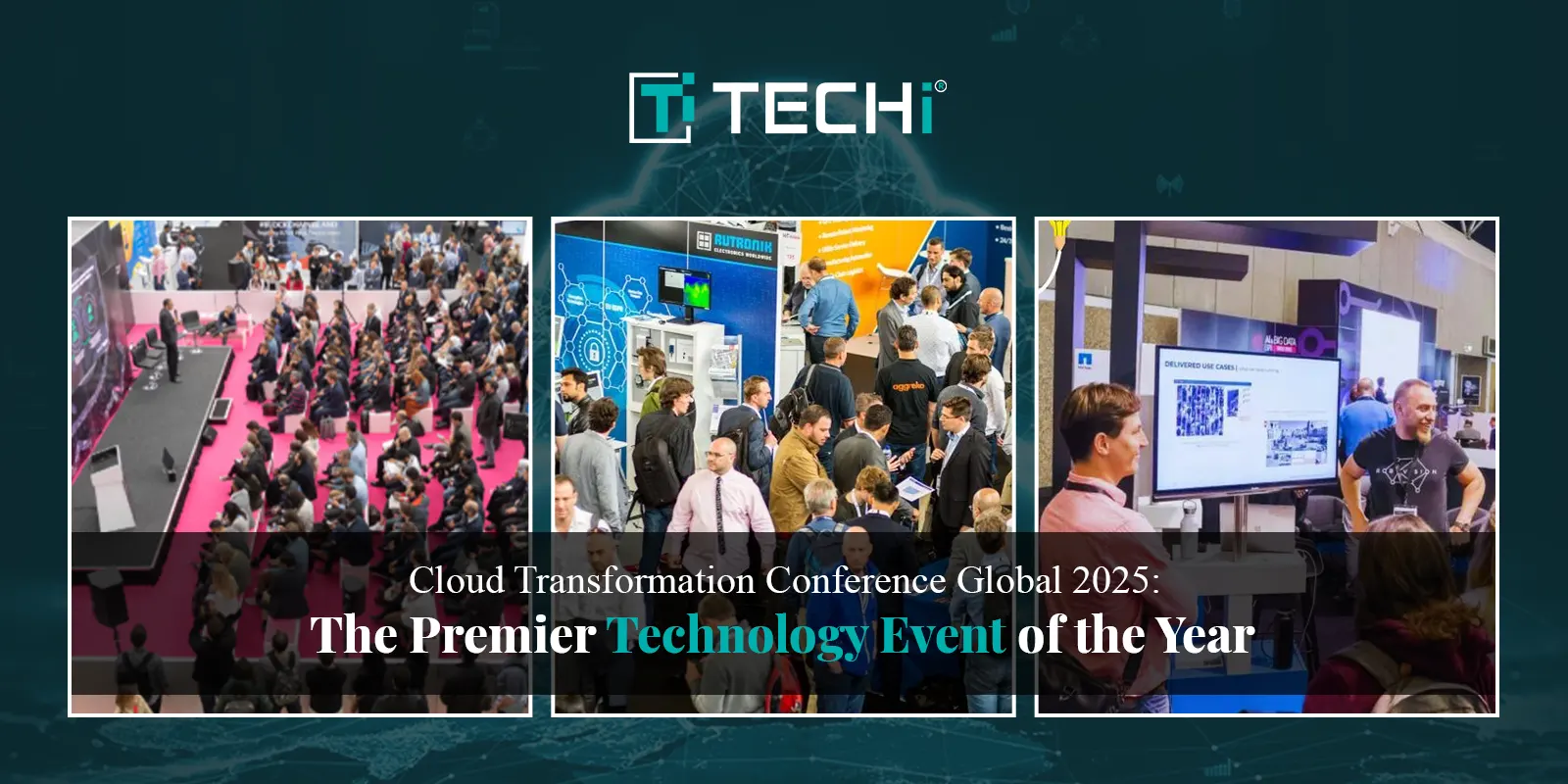
  • Power Shift: No reliance on Microsoft if the deal got set. As Microsoft was their exclusive cloud provider.
  • DeepSeek R1 impact? Their rapid rise and shaking of the market have raised questions and concerns as well. AI hardware investments like Nvidia have lost their charm. 
  • Nvidia’s stock drop: Investors fear that AI models like DeepSeek are built at a lower cost and could disrupt big AI infrastructure spending.
  • OpenAI vs DeepSeek: OpenAI has accused DeepSeek of using a technique called distillation to copy its models at a lower cost.
  • OpenAI’s Future Plans: Their New Year resolutions have one aim: to become a for-profit entity and attract (of course) more funding.

What’s Next?

  • If the deal got done, SoftBank’s investment could reshape OpenAI’s funding structure and reduce its dependency on Microsoft.
  • The AI competition just got heated up after this, with DeepSeek’s low-cost agenda challenging the U.S. giants.
  • Investors are rethinking their bet on AI infrastructures like Nvidia and Microsoft after seeing their major losses.

What are people saying?

SoftBank is in talks to invest as much as $25B in Open AI. Wait, but didn’t DeepSeek show that AI is cheap? Why would we see $25B investments? Maybe progress in technology doesn’t mean the destruction of computer needs. – Jose Najarro Stocks in his latest tweet on X. Well, on my behalf, Softbank’s investment in OpenAI isn’t shocking, but the stargate angle is interesting. Are they setting up for total AI infrastructure control? Time will surely unfold this mystery.

Read More: Revival of US Tech Stocks Ignited after DeepSeek’s AI sell-off

Denali or Mount McKinley? Trump’s Renaming Hits Google Maps

What Happened?

  • Google Maps announced that it would rename some famous U.S. landmarks based on changes that former President Donald Trump had ordered.
  • The Gulf of Mexico will soon be called the Gulf of America for U.S. users.
  • Alaska’s Denali mountain will be renamed Mount McKinley, reversing a name change made during the Obama administration.

Backstory:

McKinley, a Republican native of Ohio who served as the 25th U.S. president (1897–1901), was assassinated early in his second term in 1901 in Buffalo, New York. Under McKinley’s leadership, the United States went to war against Spain in 1898 and acquired a global empire, which included Puerto Rico, Guam, and the Philippines.

A prospector in 1896 dubbed the peak “Mount McKinley” after President William McKinley, who had never been to Alaska. The U.S. government formally recognized that name until Obama changed it over opposition from lawmakers in McKinley’s home state of Ohio. Former President Barack Obama changed the official name to Denali in 2015 to reflect the traditions of Alaska Natives and the preferences of many Alaska residents. In recent years, the federal government has endeavored to change place names considered disrespectful to Native people. “Denali is an Athabascan word meaning “the high one” or “the great one.”

Things remained constant until Trump’s inauguration in 2025. Trump showed his intentions to rename Denali back to Mount McKinley during his inaugural address.

“America will reclaim its rightful place as the greatest, most powerful, most respected nation on Earth, inspiring the awe and admiration of the entire world,” he said on Monday. “A short time from now, we are going to be changing the name of the Gulf of Mexico to the Gulf of America.” – Trump’s inaugural address

When & Why Google is Making These Changes?

  • Google Maps follows names from official government sources, like the U.S. Geographic Names Information System (GNIS).
  • Trump issued an executive order to change these names, and Google Maps will be updated once the government database is updated.

Who Will See the Changes?

  • U.S. Users: Google Maps users in the U.S. will see the new names (Gulf of America, Mount McKinley).
  • Mexican Users: In Mexico, the Gulf will still appear as the Gulf of Mexico.
  • Other Countries: Google might show both names outside the U.S. and Mexico.

New Controversies are on their way:

What are natives saying?

  • Trump changing Denali back to McKinley is the stupidest thing in the world. Nobody in Alaska uses McKinley anymore; neither native Alaskans nor white ppl want it changed, and no one gonna use it. Trump doesn’t know anything about Alaska or its people. – Native Alaskan on his recent post on X.
  • Mexico’s President Sheinbaum mocked Trump’s idea of renaming the gulf, saying it doesn’t make sense.
  • Trump’s decision to revert it to Mount McKinley has upset some Alaskan leaders.

Stay Tuned to learn more about upcoming Trump decisions!

Read More: Google Stance on European Union Fact-checking Mandates

Reliance Plans World’s Biggest AI Data Centre in India, Report Says

Mukesh Ambani’s Reliance Industries is planning to build what could be the world’s largest data center in Jamnagar, India, with a capacity of three gigawatts. This project is set to take advantage of the growing demand for artificial intelligence (AI) services and infrastructure. Bloomberg reports that the proposed data center will dwarf the existing largest data center in the world. Microsoft’s 600-megawatt site in Virginia and could finally cost between $20 billion and $30 billion. This project is changing the paradigm of India as a player in the global AI and tech industry.

Key Details:

Scale and Capacity: The new data center is proposed to have a vast three-gigawatt power capacity, which would make it the largest should it come to completion.

Investment: The expected cost of $20 billion to $30 billion indicates both the sheer magnitude of this plant and the scale of ambition behind it.

Sustainability: Reliance plans to power the data center entirely from renewable energy generated at the adjacent green energy complex, which is expected to produce solar, wind, and hydrogen power in line with the company’s sustainability targets.

Partnerships and Technology: For state-of-the-art AI capability in the facility, Ambani secured a partnership with Nvidia to supply the chips that are central to the data center. This partnership, which was announced in October, will play a key role in the pillow support of AI applications for multiple industries.

Ambani’s Vision and Future Impact: 

As of now, India being the most valuable company, Reliance has already raised some US$ 25 billion plus from investors such as Meta, Google, Silver Lake, and KKR for its expanding operations in retail and telecom. The data centre project in Jamnagar is embedded in Ambani’s larger vision to make India a leader in AI and digital infrastructure, where the new facility will serve as the mainstay for AI development and digital services.

The timing of this pronouncement is critical, given that other global heavyweights such as Open AI, SoftBank, and Oracle are actively investing in AI infrastructure. These corporations recently have put together pledges, to the tune of US$ 500 billion in AI development in the U. S under the Stargate Project.
The very realization of the project demands that Reliance’s colossal data centre in Jamnagar will trigger an obnoxious change in the AI scenario, imparting high-tech capabilities to India and generating employment for thousands while making India more and more significant on the digital economy map.

Read More: Trump Unveils $500B Stargate Project to Transform AI Infrastructure in the U.S

Revolutionizing Application Security and Network Management through F5 AI Assistant

AI Assistant enhancing NetsecOps along with Hybrid Deployment:

F5 has introduced an AI Assistant in its Distributed Cloud Services, designed to assist SecOps and NetOpps teams in managing and securing applications across complex and hybrid networks. The AI Assistant offers advanced monitoring capabilities with its innovation of providing important insights into how to manage applications across hybrid, complex and diverse networks as it is designed for modern hybrid and multi-cloud environments. It has been found that 88% of organizations use hybrid methods to manage apps and APIs. In addition, a massive increase in the number of organizations using six or more hybrid deployment models has been observed, with over 38% now employing these methods. According to Pranav Dharwadkar, F5’s Vice President of Product Management, “There have never been more apps and APIs to maintain, nor a wider surface area of deployment environments to monitor. More than ever, SecOps and NetOps teams require the right Tools to ensure they are on top of threats to their network. Our AI assistant has been built around their needs.”

An Insight on AI Assistant Features:

The AI Assistant enhances productivity by responding to real-time queries and offering insights. Several capabilities are included in the AI assistant to enhance operational efficiency and security which includes Customizable Dashboards that creates queries to appraise site wellness and oversee multi-cloud operations. It examines the events and risks associated with attacks through Real-Time Threat Responses. It also includes Streamlined Operations which decreases the response time of zero-day threats to minutes instead of days. It reverses daily security and networking duties to streamline team work, allowing them to concentrate on strategic objectives. The AI Assistant is co-located with human teams and controls a broad system of data from organizations facing similar threats, ensuring its responses are well-informed and adaptive.

Integration of Natural Language Interface:

Many organizations that are facing similar threats have shared data insights to the AI assistant, this enabled the formulation of contextually relevant recommendations that are tailored to specific requirements for engineers and teams through the sharing of data insights. The assistant integrates seamlessly with the F5 as its natural language interface simplifies interactions. With this intuitive design, current users can quickly and easily access the AI Assistant, allowing them to seamlessly integrate it into their workflows. Dharwadkar elaborated, “We recognise how stretched network and security teams currently are and the AI assistant will serve as an intelligent partner for them. This can help to reduce response times from days to minutes, ensuring that critical assets are protected, and breaches are swiftly addressed.”

A Commitment to Revolutionize AI:

Integrating AI into Application security and delivery highlights a long-term commitment of F5’s AI Assistant. The emphasis is on the integration of AI into the workflows of network and security teams to bring about a new level of resource allocation and threat management. It’s an essential component in facilitating customer assistance throughout their AI journey. The introduction of F5’s AI assistant is expected to revolutionize the way organizations handle and protect their applications by addressing the challenges of hybrid environments and enabling faster and smarter responses.

Read More: OpenAI Gains More Flexibility as Microsoft Backs $500B Stargate Initiative


Trump Unveils $500B Stargate Project to Transform AI Infrastructure in the U.S

Former U.S. President Donald Trump announced the launch of the $500 billion “Stargate Project” on January 21, 2025, an ambitious private-sector initiative aimed at revolutionizing the nation’s artificial intelligence (AI) infrastructure. The project involves collaboration with major corporations, including OpenAI, Oracle, SoftBank, and MGX, to establish AI data centers across the United States, starting with Texas.

The Stargate Project is set to kick off with an initial investment of $100 billion, which will fund the construction of advanced data centers. These centers are designed to support AI model development, cloud computing, and advanced analytics. Over four years, the project aims to create over 100,000 jobs while securing the U.S.’s position as a global leader in AI technology.

Trump emphasized that the initiative would strengthen U.S. competitiveness, particularly against countries like China, which have been rapidly advancing in AI development. Alongside this, he introduced a series of executive measures to support the project, including reversing an earlier executive order regulating AI technologies and providing incentives for private-sector energy production to power the data centers.

The announcement has garnered widespread attention, with tech giants like Nvidia and Oracle seeing significant stock market gains following the news. Masayoshi Son of SoftBank and Larry Ellison of Oracle were present at the event and expressed their confidence in the project’s transformative potential.

Sam Altman, CEO of OpenAI, highlighted that the initiative would not only accelerate AI research but also democratize access to AI tools for businesses and individuals. OpenAI, as part of its involvement, plans to scale its reliance on Microsoft’s Azure platform while utilizing resources from other partners like Nvidia for computational capabilities.

The project represents a critical milestone in the AI industry, with President Trump positioning it as a key driver of economic growth, technological leadership, and national security in the coming decades.

Read More: Russian Hackers Target WhatsApp Accounts of Ministers Worldwide

Artificial intelligence to improve Surrey’s Pothole Detection and Road Repairs

AIs’ role in Road Maintenance:

Artificial intelligence (AI) is being used by Surrey County Council to address the major issue of road maintenance. The cameras installed in highway vehicles, computer vision cameras, will be used by the council to automatically detect and record potholes, improving the efficiency of repair procedures. Along with detecting other road imperfections like potholes, the AI will also be able to identify overgrown vegetation and missed warning signs, setting the stage for future improvements. This innovative measure ensures that highway inspectors are no longer physically present on the road, making it safer for staff. Regular monitoring will be implemented to detect potholes that don’t require immediate repairs, ensuring timely response and making our roads safer with better control, according to the council. According to Matt Furniss, the council’s highways cabinet member, nearly £300 million will be spent on improving Surrey’s roads by 2028. Their teams will resurface 100 miles of roads and 30 miles in pavements, marking the first-ever effort in road maintenance in the region.

Read More: AI Benchmarking Group Faces Backlash Over Hidden OpenAI Funding

AWS Invests $11 Billion To Expand Georgia’s Data Centers

Heavy investment by AWS in Georgia:

As the state’s growing interest in cloud computing and AI continues, an $11 billion investment from Amazon Web Services (AWS) will be used to build hundreds of new data centers across Georgia. The local economy will be boosted by the project, which is expected to result in at least 500 high-paying tech jobs. AWS upholds the expansion of Georgia due to the favourable environment for the business quality it possesses.  According to Roger Wehner, AWS’s Vice President of Economic Development, the economic benefits are “transformational investment” that will help infrastructure strengthen and promote economic growth. The Douglas County Commission Chairwoman, Dr. Romona Jackson Jones, referred to it as a “historic day” of the project and proclaimed that it would be the introduction of a leading technology and a source of new jobs to the local community. The partnership between AWS and local leaders was also praised by Butts County’s Board Chairman, Russ Crumbley, who stated that it will benefit both infrastructure and development.

 Establishing Local Zone:

Among the land that was purchased by AWS in the state, the plan is to prepare its investments. The company made a purchase of 118 acres in Douglas County, near Atlanta for $37 million in October 2024. Covington, situated approximately 40 miles east of Atlanta, was bought for 430 acres. AWS has not disclosed whether the Covington site will have a data centre, but the kind of high quality it acquires highlights its expanding presence in the state. To establish a local area in Atlanta that provides low potential computing for businesses, the company recently created ‘Local Zone’, strengthening Georgia’s status as advancing technology.

Expansion of Data Centers:

Along with Microsoft’s expansion into new data centres in East Point, Palmetto, and Douglasville, the development of data centres is rapidly taking place in Atlanta as well. Atlanta is also attracting companies such as Stream, Stack, DC Blox and TA Realty to rapidly become one of the world’s best cloud infrastructure hubs. Georgia is establishing itself as a centre for cloud infrastructure and artificial intelligence, with AWS’s multibillion-dollar investment and making its mark in the country.

click here to read: Lenovo’s Take on Innovation of PCs

Cloud Transformation Conference Global 2025: The Premier Technology Event of the Year

The highly anticipated Cloud Transformation Conference Global 2025 is set to take place on February 5-6 at Olympia London, gathering over 7,000 global IT leaders, including senior executives from Fortune 500 companies, thought leaders, innovators, and solution providers. This prestigious two-day event is part of the renowned TechEx Global series, renowned for addressing critical issues surrounding cloud transformation, technology evolution, security trends, and industry-wide digital transformation.

Event Highlights:

  • Core Topics: Explore the future of Cloud Transformation, Hybrid Cloud Strategies, DevSecOps Integration, Risk Management, and Global Connectivity Strategies.
  • Engaging Sessions: A series of keynotes, panel discussions, and fireside chats will offer invaluable insights from industry visionaries and thought leaders.
  • Global Networking: With thousands of professionals in attendance, this event provides ample opportunities to connect with peers, form new partnerships, and share best practices across industries.

Keynote Speakers:

The event features a lineup of world-renowned experts who will share their knowledge on the future of technology and cloud systems. The notable speakers include:

  • Jeff Cechinel, Head of Software Development, Tesco
  • Emma Verhagen, Global Technology and Demand Director, Unilever
  • James Compiling, Director of Azure Engineering, London Stock Exchange Group
  • Annem Sabah Shah, Cloud Platform Engineer, Charlotte Tilbury Beauty
  • Luigi Renna, Lead Cloud Security Engineer, Lloyds Banking Group
  • Ian Patnaude, Head of Digital Engineering, Great Ormond Street Hospital Charity

Each session will dive deep into advanced topics that are shaping the future of cloud technology, digital infrastructure, and organizational growth.

A Complete Technology Experience:

Beyond the traditional conference setting, the Cloud Transformation Conference Global 2025 will feature a dynamic collection of collocated events focusing on the latest technological trends, including IoT, AI & Big Data, Cyber Security, Data Centres, Edge Computing, and Sustainability Tech. These events will provide attendees with access to a rich array of insights, helping organizations stay ahead of the curve in these rapidly evolving fields.

Interactive Exhibitions and Networking Zones:

Attendees will have the opportunity to explore an extensive exhibition floor showcasing leading global tech organizations, providing firsthand access to the latest technological innovations and solutions. Additionally, there will be dedicated networking zones, designed to facilitate meaningful discussions and business connections between industry professionals, thought leaders, and decision-makers.

The event will also feature cutting-edge live presentations and streaming sessions, allowing participants to interact with the most recent advancements in cloud computing and related fields. These sessions will highlight the transformative impact of new technologies and provide actionable insights to drive organizational success.

The Cloud Transformation Conference Global 2025 is poised to be the most significant global tech gathering of the year, where industry visionaries will discuss the future of cloud technologies, strategic digital transformation, and secure, scalable infrastructure solutions. If you’re an IT professional, a business leader, or a technology enthusiast, this event is not to be missed!

Don’t miss your chance to be part of the world’s largest tech event. Register now to secure your spot at the Cloud Transformation Conference Global 2025 in London.

Read More: Microsoft Files Suit Against Hundreds for Abuse of Azure OpenAI Services